Rites, spells and ceremonies
Things done in a set way: cleansings, offerings, blessings, binding and unbinding, initiations.
A rite is something done in a set way: a cleansing, an offering, a blessing, an initiation, a binding. What marks it out is form, with fixed words, gestures, timing and often a specialist to lead it. Rites exist in every culture, from the Catholic exorcism and the Vedic fire offering to the Yoruba sacrifice and the Aboriginal ceremony. This page describes them as customs, in outline. Here they are described as customs and in outline only.
Parts of a rite
Most rites share a few parts: a prepared space, a purifying act, speech or song, a gesture, an offering, and a closing that returns everyone to ordinary life. Scholars such as Arnold van Gennep called rites of passage a sequence of separation, threshold and return. Many rites also mark a time: the new moon, the solstice, a death, a birth, a wedding. Some are done once in a lifetime and some every day, and the same gesture can be a rite in one house and a habit in the next.
Who may perform
Some rites belong to anyone in the household, such as sweeping the house at new year or tying a thread on a child's wrist. Others need an officiant: a priest, a medium, a shaman or an initiated elder. Women often hold domestic rites and are shut out of public priesthood, though in places such as Korea, the Philippines and parts of Africa women lead spirit rites. A rite is also tied to a community: it is done with others present, who witness it and agree that it counts.
Rites that hurt
Not every rite is gentle. Some involve animal sacrifice, which is a normal part of a number of living religions and is performed under rules of its own. Exorcism rites have caused real harm when applied to people with mental illness or to children accused of witchcraft, with deaths reported from beatings, fasting and restraint. Illness needs real medical care. Others are simple and joyful, such as a blessing over bread or a thread on a wrist, and carry no danger at all, which is why most rites are never remarked upon.
Change and commerce
Rites move with people. Diaspora communities adapt them to apartments, city streets and other languages. Some are now sold as retreats or workshops, which can strip them from their community and context. Tourism has also turned ceremonies into shows, and communities increasingly set rules about who may watch, photograph or join. Government rules shape rites too: some countries license ritual slaughter, others require permits for processions, and a few have banned particular ceremonies outright, so a rite can become a legal question as well as a religious one.
Rite on EveryJaadu
The entries written up so far, best known first.
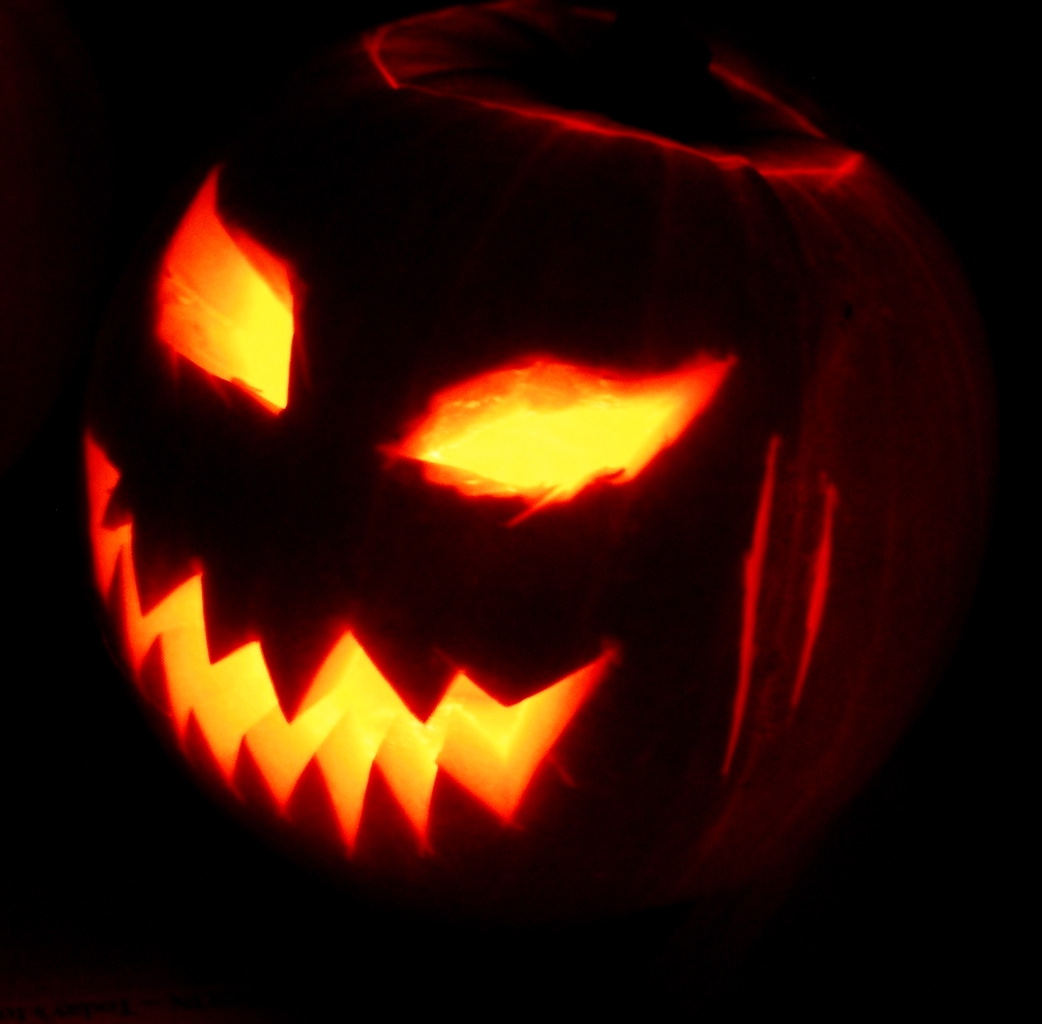 🇮🇪 Ireland and 5 moreHalloween
A vigil on 31 October marking the start of Allhallowtide and remembering the dead.Tradition · Speaking with spirits and the dead · Protection Living
 🇬🇧 United KingdomDeath knell
A church bell rung to mark a person's passing and announce the death to the community.Rite · Speaking with spirits and the dead Historical
 🇪🇬 Egypt and 2 moreLibation
The ritual pouring of liquid as an offering to spirits or the deadRite · Speaking with spirits and the dead · Protection Living
 🇩🇪 Germany and 7 moreWalpurgis NightWalpurgisnacht
A Christian feast and folk festival marking the eve of May Day with bonfires and student celebrationsTradition · Protection · Speaking with spirits and the dead Living
 🇬🇧 United Kingdom and 2 moreBeating the bounds
A ceremonial walk along parish or town borders to reaffirm boundaries and community memory.Rite · Protection · Speaking with spirits and the dead Living
 🇬🇧 United Kingdom and 4 moreMummers' play
A folk drama featuring a fight and a resurrection, performed by amateur troupes in the British Isles.Rite · Luck and prosperity · Speaking with spirits and the dead Revived
 🇪🇸 Spain and 5 moreSt John's Eve
A Christian vigil marked by bonfires and plant gathering on the summer solsticeRite · Protection · Speaking with spirits and the dead Living
 🇬🇷 Greece and 2 moreAstragalomancy
Divination by casting marked bones, carved rods, or numbered diceOracle · Seeing and foretelling · Speaking with spirits and the dead Living
🇮🇹 ItalyLemuria
A Roman festival to cleanse homes of restless ghosts with black beans and chantsRite · Cleansing and purification · Speaking with spirits and the dead Historical
 🇮🇪 Ireland and 5 moreBonfire
A large outdoor fire used for ritual, seasonal celebration, or waste disposal across many cultures.Rite · Cleansing and purification · Luck and prosperity Living
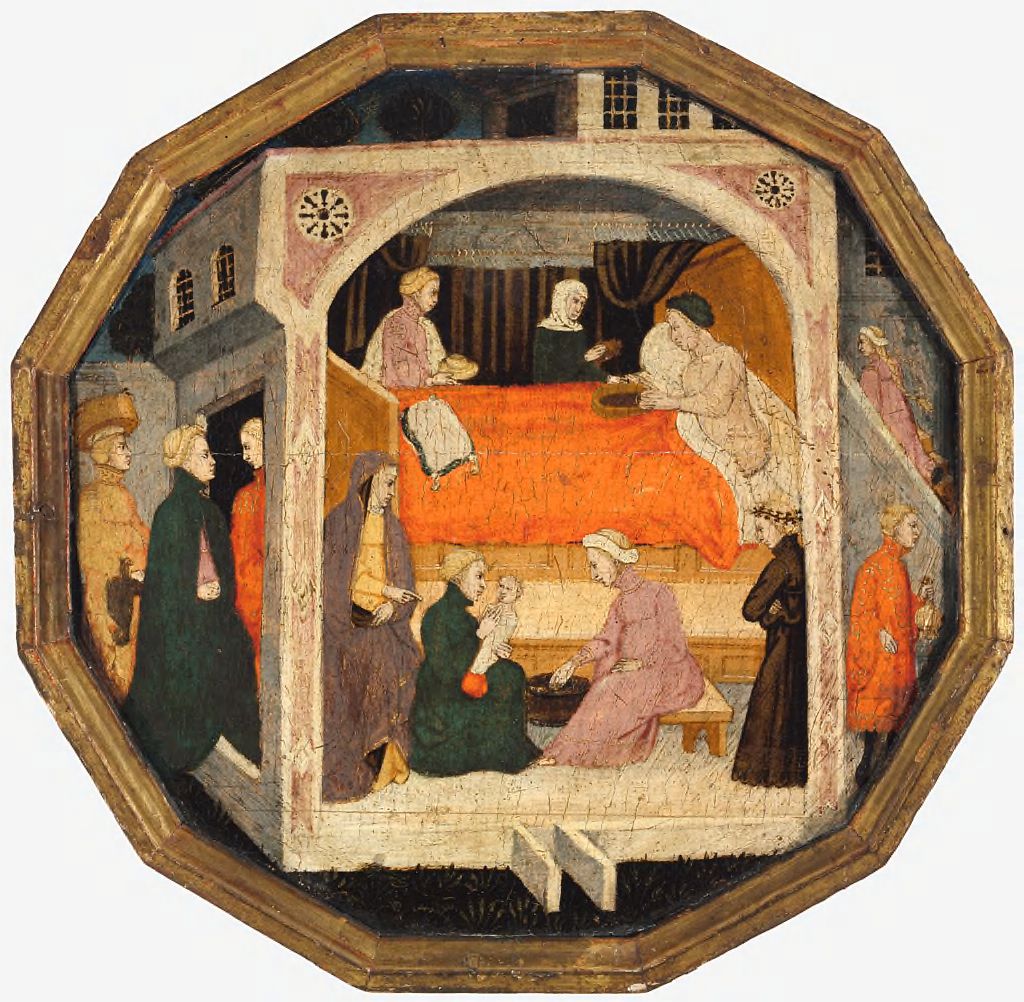 🇬🇧 United KingdomLying-in
A period of bed rest and care for new mothers in European traditionRite · Healing · Speaking with spirits and the dead Historical
🇸🇪 SwedenÁlfablót
A late autumn homestead ritual to elves and ancestors in pagan ScandinaviaRite · Speaking with spirits and the dead · Healing Historical
Photo credits on this page
The small pictures above come from Wikimedia Commons under free licences. Some are cropped to fit.
- Halloween: Toby Ord, CC BY-SA 2.5, source
- Death knell: Dougsim, CC BY-SA 4.0, source
- Libation: Arkady Zarubin ( Аркадий Зарубин ), CC BY-SA 3.0, source
- Walpurgis Night: Luis Ricardo Falero, Public domain, source
- Beating the bounds: Andrew Gray, CC BY-SA 2.0, source
- Mummers' play: Aladjov, CC BY 3.0, source
- St John's Eve: Jules Breton, Public domain, source
- Lying-in: Francesco di Michele, Public domain, source
- Bonfire: S Marshall, CC BY 3.0, source
- Astragalomancy: Roland zh, CC BY-SA 3.0, source