Spirits, creatures and beings
Djinn, fairies, orisha, golems and the other powers that magic deals with.
Beings are the powers that magic deals with: spirits, ancestors, gods, djinn, fairies, orisha, nats, kami, demons, golems, ghosts and the many kinds of household and landscape spirit. People in most cultures have described a world shared with unseen others, who may help, trouble or ask for respect. This page covers what these beings are said to be and the very different ways communities relate to them. They are always described here as what communities believe, not as established fact.
Different kinds of beings
A being can be a god with a priesthood, such as an orisha served in Yoruba religion, Cuba and Brazil. It can be an ancestor, honoured in China, Africa and Mexico. It can belong to a place, such as the kami of Shinto, the Thai phi or the Burmese nats. It can be a trouble-maker, like the djinn of Arabic and Islamic tradition, formed from smokeless fire, or the fairies of Ireland, whom people avoided naming.
Relationship, not command
In many traditions, a person does not command a being but enters a relationship with it, through offerings, promises and respect. Possession and mediumship are forms of that relationship, as in Vodou, Candomblé, Korean mudang rites and Sufi gatherings. In ceremonial magic of the European grimoires, by contrast, the magician summons spirits by name and authority, which the Church condemned as demon-raising. The same being may be loved in one household and feared in the next, and a spirit helpful to its servant can be harmful to a stranger.
Religions and renaming
Dominant religions often absorbed beings by relabelling them. Christian missionaries called many African and Indigenous spirits demons. Islam reads the djinn as real creatures, some of whom are Muslim, and Hindu and Buddhist traditions fold local deities into their own pantheons. Pagan and fairy beliefs were sometimes recast as the devil's work, which fed witch trials in Europe. Churches and mosques have sometimes divided beings into good and evil in ways the older traditions did not, so that a neutral local spirit became a demon on the day a missionary arrived.
Harm and interpretation
Belief in harmful spirits has been used to accuse people. Children in parts of West and Central Africa have been branded as witches possessed by evil spirits, and some have been abused by pastors or families in the name of deliverance. Scholars read spirit beliefs as ways to make sense of illness, loss and conflict, and many communities see them simply as neighbours. That is why accusations tied to spirit beliefs fall hardest on children and the vulnerable, and why many agencies train local leaders to challenge them.
Being on EveryJaadu
The entries written up so far, best known first.
 🇬🇧 United KingdomLoch Ness MonsterUilebheist Loch Nis
A legendary lake creature from the Scottish Highlands, famous for disputed photographs and folk tales.Being · Wonder and entertainment Legendary
🇬🇧 United KingdomLoch Ness MonsterUilebheist Loch Nis
A legendary lake creature from the Scottish Highlands, famous for disputed photographs and folk tales.Being · Wonder and entertainment Legendary
 🇬🇷 GreeceAegisαἰγίς
A mythical shield or skin of Zeus and Athena, symbolizing divine protectionBeing · Protection · Power and authority Legendary
🇬🇷 GreeceAegisαἰγίς
A mythical shield or skin of Zeus and Athena, symbolizing divine protectionBeing · Protection · Power and authority Legendary
 🇬🇷 GreeceCeryneian HindΚερυνῖτις ἔλαφος
A swift deer with golden antlers and bronze hooves from Greek mythBeing Legendary
🇬🇷 GreeceCeryneian HindΚερυνῖτις ἔλαφος
A swift deer with golden antlers and bronze hooves from Greek mythBeing Legendary
 🇬🇷 GreeceErymanthian Boarὁ Ἐρυμάνθιος κάπρος
A wild boar from Greek myth captured by Heracles as his fourth labourBeing · Cursing and harm Legendary
🇬🇷 GreeceErymanthian Boarὁ Ἐρυμάνθιος κάπρος
A wild boar from Greek myth captured by Heracles as his fourth labourBeing · Cursing and harm Legendary
 🇬🇧 United Kingdom and 4 moreWyvern
A two-legged winged dragon common in European heraldry and fantasy fictionBeing · Power and authority Legendary
🇬🇧 United Kingdom and 4 moreWyvern
A two-legged winged dragon common in European heraldry and fantasy fictionBeing · Power and authority Legendary
 🇬🇷 Greece and 3 moreHippocampusἱππόκαμπος
A mythological hybrid of a horse and fish from ancient Mediterranean culturesBeing · Wonder and entertainment Legendary
🇬🇷 GreeceEmpusaἜμπουσα
A shape-shifting phantom of Greek myth with a single brass leg, sent by Hecate to seduce and devour young men.Being · Cursing and harm · Speaking with spirits and the dead Legendary
🇬🇷 Greece and 3 moreHippocampusἱππόκαμπος
A mythological hybrid of a horse and fish from ancient Mediterranean culturesBeing · Wonder and entertainment Legendary
🇬🇷 GreeceEmpusaἜμπουσα
A shape-shifting phantom of Greek myth with a single brass leg, sent by Hecate to seduce and devour young men.Being · Cursing and harm · Speaking with spirits and the dead Legendary
 🇨🇭 Switzerland and 3 moreTatzelwurm
A cat-headed lizard of the Alps, said to guard mines and drink cow milk.Being · Cursing and harm · Luck and prosperity Legendary
🇦🇱 Albania and 4 moreDhampir
A half-vampire figure from Balkan folklore who hunts the undeadBeing · Cursing and harm Legendary
🇨🇭 Switzerland and 3 moreTatzelwurm
A cat-headed lizard of the Alps, said to guard mines and drink cow milk.Being · Cursing and harm · Luck and prosperity Legendary
🇦🇱 Albania and 4 moreDhampir
A half-vampire figure from Balkan folklore who hunts the undeadBeing · Cursing and harm Legendary
 🇸🇪 Sweden and 5 moreLindwormlindorm
A serpentine dragon of Northern and Central European folklore, often depicted as limbless or winged.Being · Luck and prosperity · Cursing and harm Legendary
🇸🇪 Sweden and 5 moreLindwormlindorm
A serpentine dragon of Northern and Central European folklore, often depicted as limbless or winged.Being · Luck and prosperity · Cursing and harm Legendary
 🇵🇱 Poland and 1 moreBishop-fish
A legendary sea creature said to gesture like a cleric before vanishingBeing · Wonder and entertainment Legendary
🇵🇱 Poland and 1 moreBishop-fish
A legendary sea creature said to gesture like a cleric before vanishingBeing · Wonder and entertainment Legendary
 🇮🇪 IrelandSalmon of KnowledgeAn Bradán Feasa
A mythical fish in Irish folklore that holds all the world's wisdom.Being · Power and authority · Wonder and entertainment Legendary
🇮🇪 IrelandSalmon of KnowledgeAn Bradán Feasa
A mythical fish in Irish folklore that holds all the world's wisdom.Being · Power and authority · Wonder and entertainment Legendary
 🇫🇮 FinlandIku-Turso
A primordial giant and sea monster from Finnish mythologyBeing · Power and authority · Cursing and harm Legendary
🇫🇮 FinlandIku-Turso
A primordial giant and sea monster from Finnish mythologyBeing · Power and authority · Cursing and harm Legendary
 🇪🇸 SpainBasajaun
A hairy forest lord of Basque myth who protects livestock and teaches human skillsBeing · Protection · Power and authority Legendary
🇷🇴 Romania and 5 moreBalaur
A many-headed dragon from Romanian folklore that guards treasures and controls the weather.Being · Cursing and harm · Power and authority Legendary
🇦🇲 ArmeniaAralēzարալէզ
Winged dog-like spirits in Armenian mythology that revive fallen heroesBeing · Healing Legendary
🇷🇺 RussiaIndrikИндрик-зверь
A legendary Russian beast said to rule all animals from a sacred mountainBeing · Wonder and entertainment Legendary
🇪🇸 SpainBasajaun
A hairy forest lord of Basque myth who protects livestock and teaches human skillsBeing · Protection · Power and authority Legendary
🇷🇴 Romania and 5 moreBalaur
A many-headed dragon from Romanian folklore that guards treasures and controls the weather.Being · Cursing and harm · Power and authority Legendary
🇦🇲 ArmeniaAralēzարալէզ
Winged dog-like spirits in Armenian mythology that revive fallen heroesBeing · Healing Legendary
🇷🇺 RussiaIndrikИндрик-зверь
A legendary Russian beast said to rule all animals from a sacred mountainBeing · Wonder and entertainment Legendary
 🇬🇧 United Kingdom and 1 moreWater Horse
A mythical shape-shifter from Celtic and Nordic lore, often linked to lake monsters.Being · Wonder and entertainment Legendary
🇷🇴 Romania and 2 moreZmeu
A humanoid dragon from Romanian folklore that kidnaps maidens and steals treasures.Being · Cursing and harm · Love and attraction Legendary
🇬🇧 United Kingdom and 1 moreWater Horse
A mythical shape-shifter from Celtic and Nordic lore, often linked to lake monsters.Being · Wonder and entertainment Legendary
🇷🇴 Romania and 2 moreZmeu
A humanoid dragon from Romanian folklore that kidnaps maidens and steals treasures.Being · Cursing and harm · Love and attraction Legendary
 🇦🇱 Albania and 3 moreKulshedra
A multi-headed serpent demon in Albanian folklore that controls storms and droughts.Being · Cursing and harm · Luck and prosperity Legendary
🇦🇱 Albania and 3 moreKulshedra
A multi-headed serpent demon in Albanian folklore that controls storms and droughts.Being · Cursing and harm · Luck and prosperity Legendary
 🇫🇷 FranceTarvos Trigaranus
A Gaulish bull deity depicted with three cranes on a Roman-era Parisian pillarBeing Legendary
🇫🇷 FranceTarvos Trigaranus
A Gaulish bull deity depicted with three cranes on a Roman-era Parisian pillarBeing Legendary
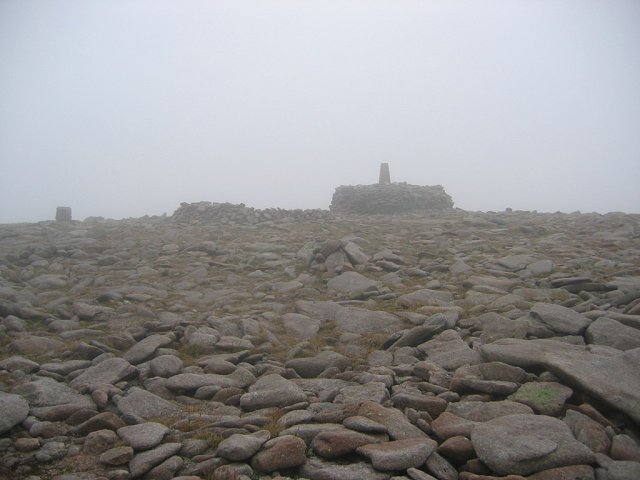 🇬🇧 United KingdomAm Fear Liath Mòr
A mountain spirit said to haunt the misty peaks of the Scottish CairngormsBeing Legendary
🇬🇧 United KingdomAm Fear Liath Mòr
A mountain spirit said to haunt the misty peaks of the Scottish CairngormsBeing Legendary
 🇬🇷 Greece and 1 moreCacodemonκακοδαίμων (kakodaimōn)
An ancient Greek evil spirit, depicted as a horned youth and used in literature and games.Being · Cursing and harm Legendary
🇬🇧 United KingdomMoragMòrag
A Scottish lake monster said to dwell in Loch MorarBeing · Wonder and entertainment Legendary
🇬🇷 Greece and 1 moreCacodemonκακοδαίμων (kakodaimōn)
An ancient Greek evil spirit, depicted as a horned youth and used in literature and games.Being · Cursing and harm Legendary
🇬🇧 United KingdomMoragMòrag
A Scottish lake monster said to dwell in Loch MorarBeing · Wonder and entertainment Legendary
 🇪🇸 SpainJentilJentilak
Giants of Basque myth linked to ancient stone builders and pre-Christian timesBeing · Wonder and entertainment Legendary
🇪🇸 SpainJentilJentilak
Giants of Basque myth linked to ancient stone builders and pre-Christian timesBeing · Wonder and entertainment Legendary
 🇩🇪 GermanyBahkauv
A deformed calf-like monster from Aachen folklore that harasses drunk menBeing · Cursing and harm Legendary
🇷🇺 RussiaShishigaшишига
A female swamp spirit of Russian and Komi folklore that brings misfortune and death.Being · Cursing and harm Legendary
🇩🇪 GermanyBahkauv
A deformed calf-like monster from Aachen folklore that harasses drunk menBeing · Cursing and harm Legendary
🇷🇺 RussiaShishigaшишига
A female swamp spirit of Russian and Komi folklore that brings misfortune and death.Being · Cursing and harm Legendary
 🇬🇧 United KingdomBoobrie
A shapeshifting loch monster from Scottish folklore that preys on livestock and horses.Being · Cursing and harm Legendary
🇬🇧 United KingdomBoobrie
A shapeshifting loch monster from Scottish folklore that preys on livestock and horses.Being · Cursing and harm Legendary
 🇫🇷 France and 3 moreLes LavandièresKannerez-Noz
Supernatural washerwomen who wash shrouds or bloodstained clothes for those about to die.Being · Seeing and foretelling Legendary
🇫🇷 France and 3 moreLes LavandièresKannerez-Noz
Supernatural washerwomen who wash shrouds or bloodstained clothes for those about to die.Being · Seeing and foretelling Legendary
 🇬🇷 GreeceCancer (mythology)Καρκίνος
A giant crab from Greek myth that became a zodiac constellationBeing · Cursing and harm Legendary
🇬🇷 GreeceCancer (mythology)Καρκίνος
A giant crab from Greek myth that became a zodiac constellationBeing · Cursing and harm Legendary
 🇪🇸 SpainHerensuge
A mythical seven-headed dragon or serpent from Basque legendBeing · Cursing and harm Legendary
🇮🇪 IrelandFar darrigFear Dearg
A solitary Irish faerie known for cruel jokes and the ability to shift sizeBeing · Cursing and harm · Luck and prosperity Legendary
🇷🇸 SerbiaCikavacцикавац
A winged creature from Serbian folklore that fetches honey and milk for its ownerBeing · Luck and prosperity · Power and authority Legendary
🇷🇴 RomaniaZână
A Romanian woodland spirit linked to Diana that guides travelers and blesses children.Being · Protection · Luck and prosperity Legendary
🇪🇸 SpainHerensuge
A mythical seven-headed dragon or serpent from Basque legendBeing · Cursing and harm Legendary
🇮🇪 IrelandFar darrigFear Dearg
A solitary Irish faerie known for cruel jokes and the ability to shift sizeBeing · Cursing and harm · Luck and prosperity Legendary
🇷🇸 SerbiaCikavacцикавац
A winged creature from Serbian folklore that fetches honey and milk for its ownerBeing · Luck and prosperity · Power and authority Legendary
🇷🇴 RomaniaZână
A Romanian woodland spirit linked to Diana that guides travelers and blesses children.Being · Protection · Luck and prosperity Legendary
 🇸🇪 Sweden and 1 moreSkogsrå
A forest spirit in Swedish folklore who appears as a beautiful woman but hides a hollow back and animal feet.Being · Luck and prosperity · Cursing and harm Legendary
🇸🇪 Sweden and 1 moreSkogsrå
A forest spirit in Swedish folklore who appears as a beautiful woman but hides a hollow back and animal feet.Being · Luck and prosperity · Cursing and harm Legendary
 🇮🇹 ItalyAnguane
Cloven-footed water nymphs from Northern Italian folklore who nurse infants with their backs.Being · Love and attraction · Healing Legendary
🇷🇴 RomaniaCăpcăun
A Romanian ogre with a dog head known for kidnapping children and eating peopleBeing · Cursing and harm Legendary
🇷🇺 RussiaMoryanaМоря́на
A female sea spirit in Slavic folklore who controls winds and calms stormsBeing · Power and authority Legendary
🇪🇸 SpainMinairó
Tiny magical beings from the Pyrenees said to build stone piles and work fields.Being · Power and authority Legendary
🇷🇺 Russia and 1 moreLikhoradkaЛихорадка
A fever spirit in Slavic myth who brings illness and sicknessBeing · Cursing and harm Legendary
🇪🇸 SpainTibicena
A demon of the Guanches, imagined as a black-furred dog with red eyes.Being · Cursing and harm Legendary
🇸🇪 SwedenAskafroa
A Scandinavian tree spirit believed to guard the ash and demand appeasement.Being · Cursing and harm · Protection Legendary
🇸🇪 SwedenRå
Guardian spirits of nature in Scandinavian folkloreBeing · Protection Legendary
🇮🇪 IrelandGancanaghgean cánach
A male Irish fairy known for seducing women and tricking humans.Being · Cursing and harm · Love and attraction Legendary
🇮🇹 ItalyAnguane
Cloven-footed water nymphs from Northern Italian folklore who nurse infants with their backs.Being · Love and attraction · Healing Legendary
🇷🇴 RomaniaCăpcăun
A Romanian ogre with a dog head known for kidnapping children and eating peopleBeing · Cursing and harm Legendary
🇷🇺 RussiaMoryanaМоря́на
A female sea spirit in Slavic folklore who controls winds and calms stormsBeing · Power and authority Legendary
🇪🇸 SpainMinairó
Tiny magical beings from the Pyrenees said to build stone piles and work fields.Being · Power and authority Legendary
🇷🇺 Russia and 1 moreLikhoradkaЛихорадка
A fever spirit in Slavic myth who brings illness and sicknessBeing · Cursing and harm Legendary
🇪🇸 SpainTibicena
A demon of the Guanches, imagined as a black-furred dog with red eyes.Being · Cursing and harm Legendary
🇸🇪 SwedenAskafroa
A Scandinavian tree spirit believed to guard the ash and demand appeasement.Being · Cursing and harm · Protection Legendary
🇸🇪 SwedenRå
Guardian spirits of nature in Scandinavian folkloreBeing · Protection Legendary
🇮🇪 IrelandGancanaghgean cánach
A male Irish fairy known for seducing women and tricking humans.Being · Cursing and harm · Love and attraction Legendary
 🇦🇲 ArmeniaVishapվիշապ
A water dragon of Armenian myth linked to storms and the sunBeing · Cursing and harm · Luck and prosperity Legendary
🇷🇺 Russia and 1 moreChuvash dragonВӗрӗҫӗлен
A mythological serpent from Chuvash legends that can fly and breathe fire.Being · Wonder and entertainment Legendary
🇬🇧 United KingdomLlamhigyn y Dŵr
A winged frog-like creature blamed for harm to fishermen and livestock in Welsh folkloreBeing · Cursing and harm Legendary
🇦🇲 ArmeniaVishapվիշապ
A water dragon of Armenian myth linked to storms and the sunBeing · Cursing and harm · Luck and prosperity Legendary
🇷🇺 Russia and 1 moreChuvash dragonВӗрӗҫӗлен
A mythological serpent from Chuvash legends that can fly and breathe fire.Being · Wonder and entertainment Legendary
🇬🇧 United KingdomLlamhigyn y Dŵr
A winged frog-like creature blamed for harm to fishermen and livestock in Welsh folkloreBeing · Cursing and harm Legendary
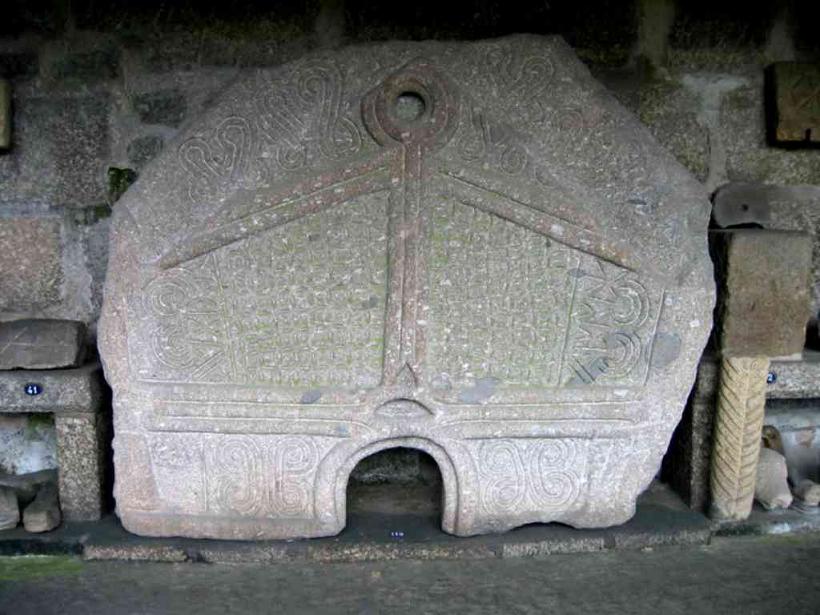 🇵🇹 PortugalEnchanted Mouramoura encantada
A supernatural maiden from Portuguese and Galician folklore who guards treasures and ancient stones.Being · Cursing and harm · Luck and prosperity Legendary
🇵🇹 PortugalEnchanted Mouramoura encantada
A supernatural maiden from Portuguese and Galician folklore who guards treasures and ancient stones.Being · Cursing and harm · Luck and prosperity Legendary
Photo credits on this page
The small pictures above come from Wikimedia Commons under free licences. Some are cropped to fit.
- Boobrie: Ole Worm - Olaus Wormius, Public domain, source
- Salmon of Knowledge: Man vyi, Public domain, source
- Ceryneian Hind: Unknown artist, Public domain, source
- Erymanthian Boar: Antimenes Painter, Public domain, source
- Loch Ness Monster: StaraBlazkova at Czech Wikipedia, CC BY-SA 3.0, source
- Wyvern: DeFacto, CC BY-SA 4.0, source
- Tatzelwurm: Abrasax, CC BY-SA 3.0 de, source
- Bishop-fish: photo by Sean Linehan, NOS, NGS National Oceanic and Atmospheric Admin, Public domain, source
- Lindworm: Unknown author, Public domain, source
- Iku-Turso: Hugo Simberg, Public domain, source
- Basajaun: Airiartmed2, CC BY-SA 4.0, source
- Kulshedra: Bidgee, CC BY 3.0, source
- Cacodemon: Louis Le Breton, Public domain, source
- Tarvos Trigaranus: Als33120, CC BY-SA 4.0, source
- Cancer (mythology): Diosphos Painter, Public domain, source
- Herensuge: Francisco Tomas Burgui, Public domain, source
- Jentil: Ketari ( http://ketari.nirudia.com/ ), CC BY-SA 3.0, source
- Bahkauv: Sascha Faber, CC BY-SA 4.0, source
- Skogsrå: Gunnar Creutz (Achird), CC BY-SA 3.0, source
- Water Horse: Theodor Kittelsen, Public domain, source
- Aegis: Unknown creator, Public domain, source
- Am Fear Liath Mòr: Richard Webb, CC BY-SA 2.0, source
- Anguane: Elena Alexandrina Bednarik, Public domain, source
- Les Lavandières: Jean-Édouard Dargent, Public domain, source
- Hippocampus: Unknown author, CC BY-SA 2.0, source
- Vishap: Kulttuurinavigaattori, CC BY-SA 4.0, source
- Enchanted Moura: Henrique José Teixeira Matos, Public domain, source