Shinto and Taoist: magic in this belief world
Ofuda and omamori, fu talismans, onmyodo, and the rites of temples and mountains.
Shinto and Taoism are two major East Asian religions, and both include rites that outsiders may label magic. Shinto shrines sell omamori and perform purification, and Taoist priests make fu talismans and perform rites for the living and the dead. Related practices include onmyodo in Japan and feng shui and divination in China. This page covers how these traditions work and how states have treated them. They differ greatly: Shinto is tied to place and community, while Taoism offers both a philosophy and an organised priesthood.
Shinto rites
Shinto centres on kami, the spirits and powers of places and ancestors, and on purification (harae). Shrines offer omamori, ofuda and fortune slips called omikuji, and priests perform rites for new cars, buildings and births. Many Japanese take part without describing themselves as believers, and the rites are woven into the calendar. Ordinary visitors buy a charm for a particular aim, such as safe childbirth, exam success or traffic safety, and may return it to the shrine after a year.
Taoist ritual and talismans
Taoism includes philosophy, monastic practice and a priestly tradition of liturgy and exorcism. Priests of lineages such as Zhengyi write fu, written talismans, and perform rites for protection and the dead. The I Ching and feng shui are also linked with Taoist thought, though they have separate histories. Several Chinese dynasties licensed Taoist priests and also tried to control them. Taoist masters have trained in lineages that run for many generations, and some rites are reserved for the ordained and not for the public.
Onmyodo and the state
Onmyodo, a Japanese system of divination and calendar-keeping drawn from Chinese yin-yang thought, served the imperial court. The famed Abe no Seimei lived in the Heian period. The Meiji government abolished the official onmyodo bureau in 1870 and separated Shinto from Buddhism, which reshaped practice. In China, Taoist temples were closed during the Cultural Revolution and have partly revived. Women have long served as shrine maidens in Shinto and as priests in several Taoist lineages, though the top posts are mostly held by men.
Commerce and the West
Feng shui and fortune-telling are large industries in Hong Kong, Taiwan and the diaspora, and Japanese lucky charms are bought by tourists. Scholars debate the line between religion and superstition, a distinction introduced in Asia by modern states in the late nineteenth and twentieth centuries. Practitioners tend to describe what they do as ritual service to the community. Taiwanese and Hong Kong temples and Japanese shrines are visited by large numbers of people, and communities overseas have built new shrines and temples.
Shinto and Taoist on EveryJaadu
The entries written up so far, best known first.
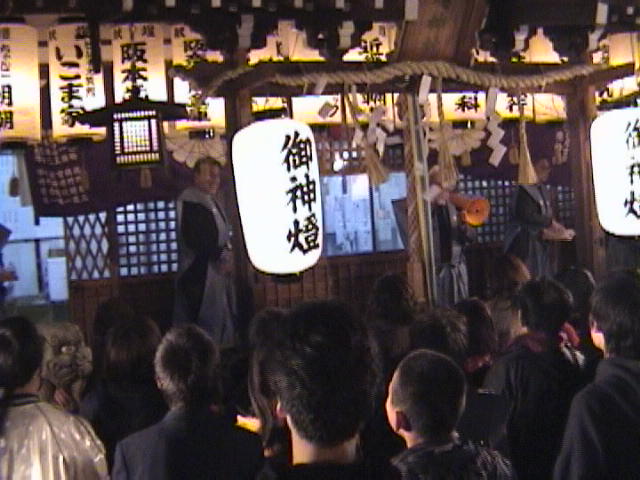 🇯🇵 JapanSetsubun節分
A Japanese seasonal rite to drive away bad luck and welcome spring with roasted beansRite · Protection · Luck and prosperity Living
🇯🇵 JapanSetsubun節分
A Japanese seasonal rite to drive away bad luck and welcome spring with roasted beansRite · Protection · Luck and prosperity Living
 🇮🇳 India and 5 moreAncestor worship
Rites of respect for the dead that maintain family bonds and seek spiritual guidanceTradition · Protection · Speaking with spirits and the dead Living
🇮🇳 India and 5 moreAncestor worship
Rites of respect for the dead that maintain family bonds and seek spiritual guidanceTradition · Protection · Speaking with spirits and the dead Living
 🇨🇳 China and 1 moreAncestor veneration in China中國傳統宗法性宗教
Rites for dead kin who are thought to watch over the familyTradition · Protection · Speaking with spirits and the dead Living
🇨🇳 China and 1 moreAncestor veneration in China中國傳統宗法性宗教
Rites for dead kin who are thought to watch over the familyTradition · Protection · Speaking with spirits and the dead Living
 🇸🇳 Senegal and 5 moreAncestor veneration
Rituals of respect and offerings for the dead across many culturesTradition · Protection · Speaking with spirits and the dead Living
🇸🇳 Senegal and 5 moreAncestor veneration
Rituals of respect and offerings for the dead across many culturesTradition · Protection · Speaking with spirits and the dead Living
 🇨🇳 China and 5 moreQingming Festival清明节
A spring day for sweeping graves, feeding the dead and honouring ancestorsTradition · Speaking with spirits and the dead · Protection Living
🇨🇳 China and 5 moreQingming Festival清明节
A spring day for sweeping graves, feeding the dead and honouring ancestorsTradition · Speaking with spirits and the dead · Protection Living
 🇯🇵 JapanKagura神楽
A Shinto ritual dance where performers embody deities to purify and welcome spiritsTradition · Protection · Speaking with spirits and the dead Living
🇯🇵 JapanKagura神楽
A Shinto ritual dance where performers embody deities to purify and welcome spiritsTradition · Protection · Speaking with spirits and the dead Living
 🇹🇼 Taiwan and 1 moreOng Yah王爺 (Ông-iâ)
Royal Lord deities of Fujian and Taiwan who tour the land, driving out diseaseBeing · Protection · Healing Living
🇯🇵 Japan and 1 moreKōshin庚申信仰
A Japanese folk belief involving vigils to prevent internal spirits from reporting human deeds to heavenBelief · Protection · Healing Living
🇹🇼 Taiwan and 1 moreOng Yah王爺 (Ông-iâ)
Royal Lord deities of Fujian and Taiwan who tour the land, driving out diseaseBeing · Protection · Healing Living
🇯🇵 Japan and 1 moreKōshin庚申信仰
A Japanese folk belief involving vigils to prevent internal spirits from reporting human deeds to heavenBelief · Protection · Healing Living
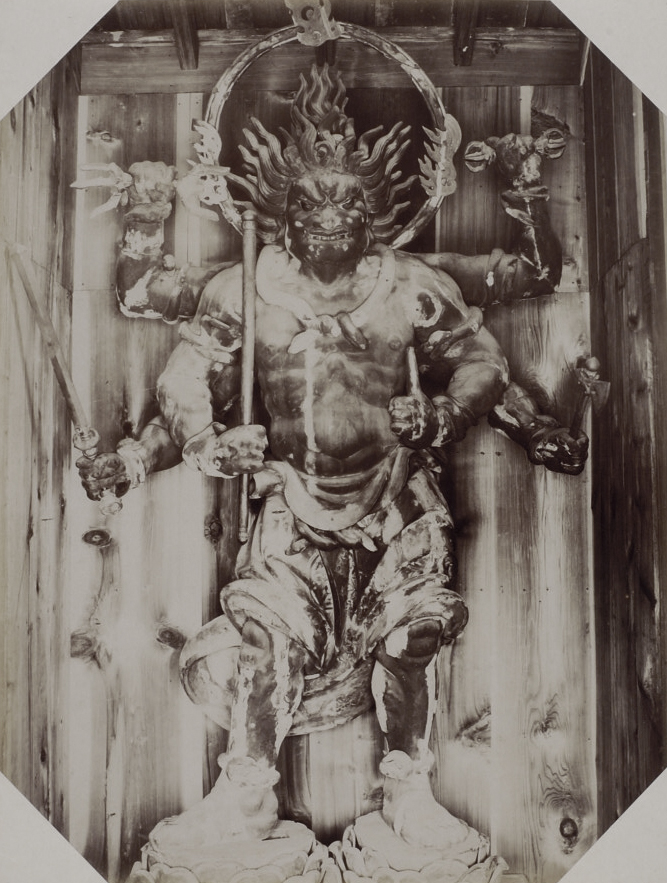 🇯🇵 JapanDaigensuihō大元帥法
An Esoteric Shingon Buddhist rite for military defense and cursing enemiesRite · Cursing and harm · Protection Historical
🇯🇵 JapanDaigensuihō大元帥法
An Esoteric Shingon Buddhist rite for military defense and cursing enemiesRite · Cursing and harm · Protection Historical
Photo credits on this page
The small pictures above come from Wikimedia Commons under free licences. Some are cropped to fit.
- Setsubun: Unknown author, CC BY-SA 3.0, source
- Ancestor worship: Lyn Gateley, CC BY 2.0, source
- Ong Yah: Suzuki1314 at Chinese Wikipedia, Public domain, source
- Kagura: Elstner Hilton, Public domain, source
- Ancestor veneration in China: Three huntings, CC BY-SA 4.0, source
- Daigensuihō: Kamakura-period artist; photo by Kudo Risaburo (工藤利三郎), Public domain, source
- Ancestor veneration: Thang Nguyen, CC BY-SA 2.0, source
- Qingming Festival: Jacklee ., CC BY-SA 3.0, source