Ceremonial magicians and alchemists
Learned practitioners working from books, orders and systems.
Ceremonial magicians and alchemists work from books, orders and systems. They include the Hellenistic theurgists, the medieval Arabic and Jewish writers on talismans, Renaissance figures such as Marsilio Ficino, Agrippa and John Dee, the Hermetic Order of the Golden Dawn, Aleister Crowley, and today's lodges and online groups. This page covers who they were, what they studied and why their work was both revered and condemned. Their work is often private and written in code.
Learned magic
Learned magic drew on astrology, Kabbalah, Hermetic philosophy, alchemy and the grimoires. It required reading in Latin, Greek, Hebrew or Arabic, and thus drew on the educated. Practitioners often framed their work as a spiritual path, a study of nature or a way to approach the divine. Isaac Newton wrote at length on alchemy, a fact that shows how mixed the intellectual world once was. They worked with talismans, seals, lamens, ritual tools, astrology and invocations, and followed long preparations of prayer and fasting.
Orders and secret societies
From the nineteenth century, groups arose with graded degrees, robes and oaths. The Golden Dawn, founded in 1888, included women as full members, which was unusual at the time. Rosicrucian and Masonic ideas, theosophy and later Thelema carried the tradition forward. Some groups have been accused of cultish control or abuse of members, and others are more like study circles. Alchemists were also early experimenters, and some made real discoveries in metallurgy, distillation and medicine, while others were swindlers who promised gold for a price.
Church, state and the learned
The Church condemned demon-conjuring, but tolerated natural magic and astrology in many periods. Mages were protected by patrons, as Dee was by Elizabeth I, or hounded, as Giordano Bruno was, burned in 1600 for heresy and other charges. In the Islamic world, writers such as al-Buni wrote on letters and names, and some jurists condemned the work. Women were barred from most universities and many orders until the nineteenth century, so female mages worked as healers, writers or visionaries, or were accused of witchcraft instead.
Appropriation and reading
Modern ceremonial magic borrows from Egypt, India, Kabbalah and Indigenous traditions, which raises a question of respect and accuracy. Historians such as Frances Yates traced the influence of Hermeticism on the Renaissance. Scholars of Western esotericism now study it as a part of intellectual history, and sceptics treat claims of power as untested. Practitioners claim lineages that run back to Egypt or Solomon, which historians find hard to support, and scholars call such claims invented tradition.
Ceremonial magicians and alchemists on EveryJaadu
The entries written up so far, best known first.
 🇮🇳 IndiaLeft-Hand and Right-Hand Paths
Two distinct orientations in occult magic, dividing taboo-breaking from orthodoxy.Tradition · Change and initiation · Power and authority Living
 🇫🇷 FranceÉliphas Lévi
A French writer who shaped modern occult thought and ceremonial magic.Figure · Power and authority · Change and initiation Historical
🇬🇧 United Kingdom and 1 moreChaos magic
A modern magical system that treats belief as a flexible tool rather than a fixed truth.Tradition · Change and initiation · Power and authority Living
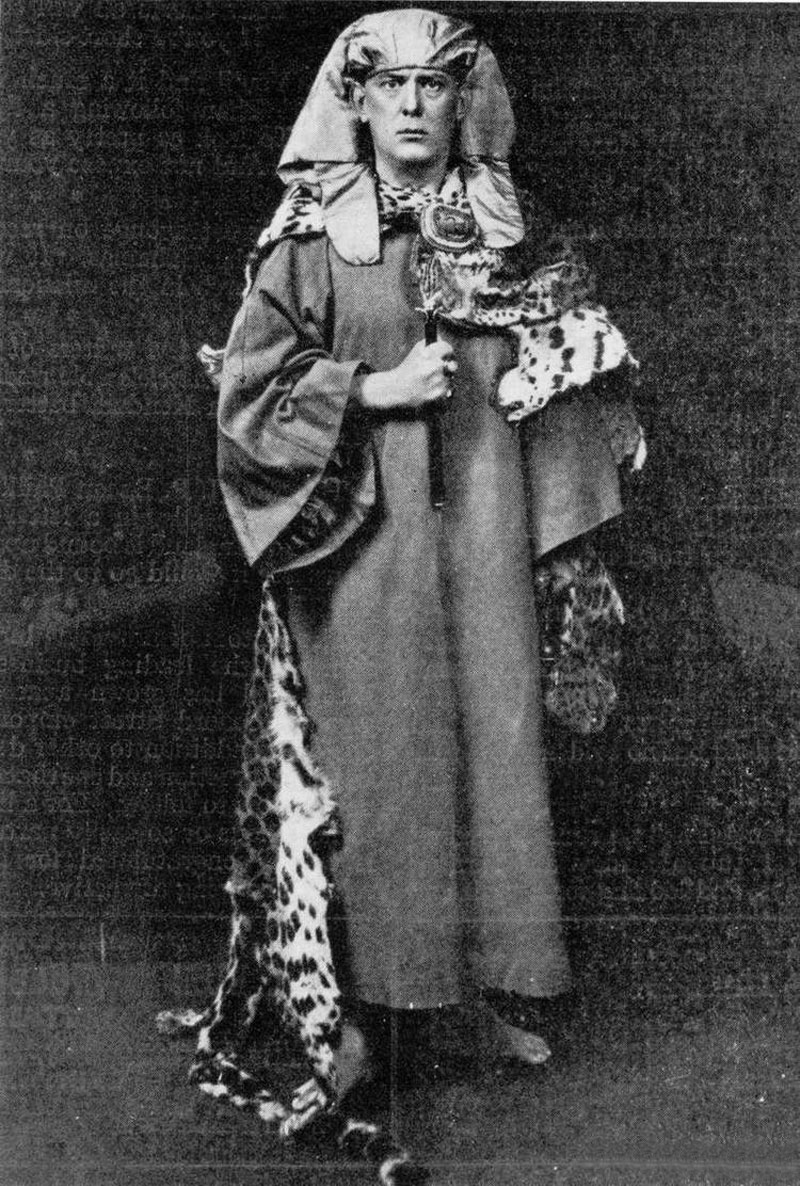 🇪🇬 Egypt and 4 moreThelema
A Western esoteric philosophy centered on discovering and following one's True WillTradition · Change and initiation · Power and authority Living
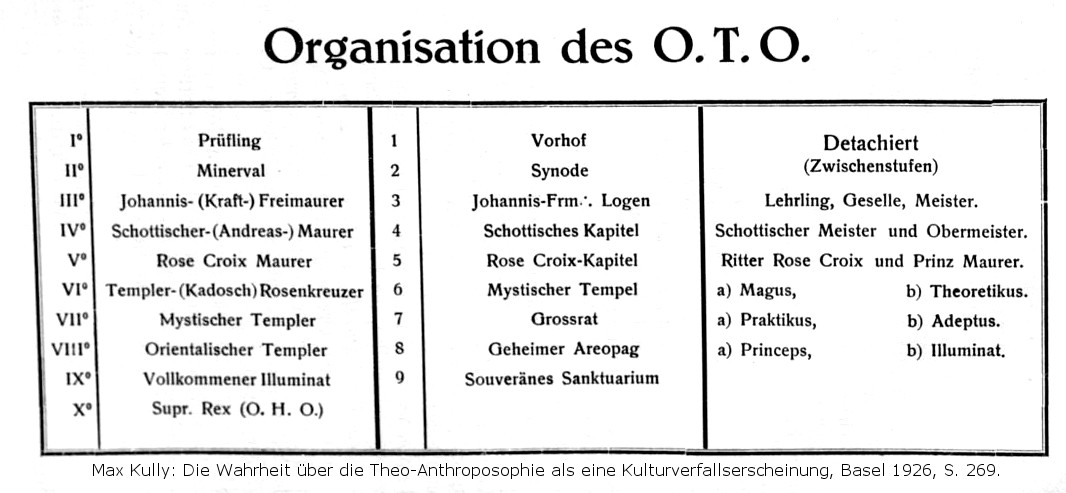 🇩🇪 Germany and 5 moreOrdo Templi Orientis
A secret occult order of initiation degrees, reshaped by Aleister CrowleyTradition · Change and initiation Living
🇬🇧 United KingdomCake of Light
The eucharistic wafer of Thelema, baked from meal, honey, oils and blood for daily ritualSubstance · Speaking with spirits and the dead · Change and initiation Living
 🇬🇧 United KingdomTheatrum Chemicum Britannicum
A 1652 collection of English alchemical verse, gathered and annotated by Elias AshmoleText · Change and initiation Historical
🇬🇧 United KingdomTyphonian Order
A British Thelemic esoteric body working with dark occultism, kalas, and cosmic mythTradition · Change and initiation · Speaking with spirits and the dead Living
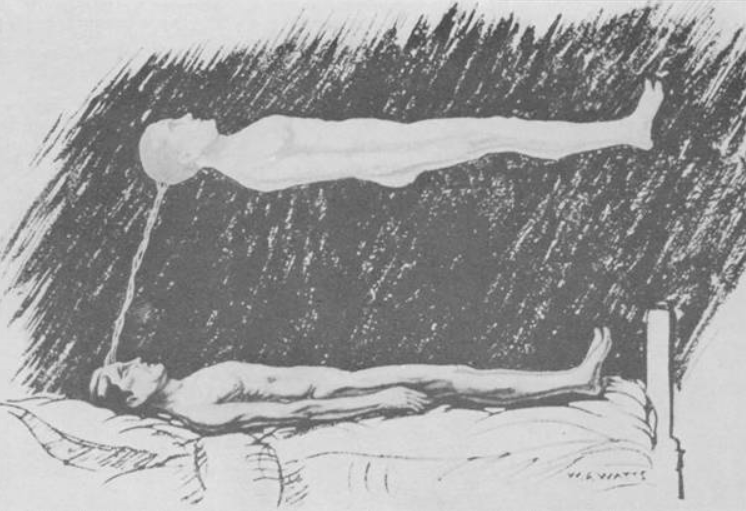 🇮🇳 India and 3 moreAstral projection
An intentional out-of-body experience where consciousness travels through the astral planeTradition · Speaking with spirits and the dead · Change and initiation Living
Photo credits on this page
The small pictures above come from Wikimedia Commons under free licences. Some are cropped to fit.
- Thelema: Unknown author, Public domain, source
- Ordo Templi Orientis: Its me, CC BY-SA 4.0, source
- Baphomet: Eliphas Levi, Public domain, source
- Theatrum Chemicum Britannicum: Goddard, John, active 1645-1671 (engraver), Public domain, source
- Astral projection: Hereward Carrington, Sylvan Muldoon., Public domain, source
- Éliphas Lévi: Eliphas Lévi [1810-1875], Public domain, source