Pu Som Fao Sap
In its own language: ปู่โสมเฝ้าทรัพย์
from Thai for Grandfather Som who guards treasures
A Thai guardian spirit said to watch over hidden royal treasures and ancient wealth.
Pu Som Fao Sap is a ghost in Thai folklore believed to guard precious treasures or national wealth. It is often linked to the Ayutthaya Kingdom and functions as a tutelary deity protecting sacred possessions from intruders.
- Name means Grandfather Som who guards treasures in Thai.
- Linked to hidden riches from the Ayutthaya Kingdom.
- Prince Bira reported sightings at Wat Kudi Dao in 1960.
- Scholars view it as a later cultural construction.
- Resembles European guardian spirits like Leprechauns.
What it is
Pu Som Fao Sap is a type of Thai ghost described in folklore as a guardian of hidden riches. The name translates to Grandfather Som who guards treasures. It is viewed as a tutelary deity or protective spirit responsible for watching over valuable items, particularly those associated with the Ayutthaya Kingdom. This figure serves as a supernatural barrier against theft, ensuring that sacred or royal wealth remains secure from unauthorized hands.
Where it comes from
Historian Rungroj Piromanukul suggests these beliefs did not originate in the Ayutthaya period. The Three Seals Law Code lists many supernatural beings but omits treasure guardians. Theravada Buddhist doctrine also conflicts with this idea, as spirits are believed to move on rather than linger. Archaeological records show no evidence of people being executed to become such guardians. Scholars view the concept as a later cultural construction used to explain mysterious discoveries or sacralize hidden wealth.
Pu Som Fao Sap, drawn and placed
- Living
- Revived
- Fading
- Historical
- Legendary
- Performed
- Lineage
- Thai folk mythology
What it is for
The spirit is believed to protect national wealth and hidden treasures from thieves. Intruders who attempt to steal these items may face supernatural consequences. Stories describe strange phenomena following looting attempts, such as glowing objects or sudden madness among the perpetrators. The belief reinforces respect for historical sites and deters illegal excavation by attributing danger to the presence of a powerful guardian.
Peoples and places
The legend is prominent in Thailand, specifically within Thai folk mythology. It is closely tied to the history of Ayutthaya. Prince Birabongse Bhanudej, known as Prince Bira, shared personal encounters with the legend in the 1960s. Villagers in Ayutthaya areas often interpret unexplained events or sightings near ruins as signs of Pu Som Fao Sap. The narrative has been adapted into modern media, including television dramas that reimagine the spirit's appearance and backstory.
At a glance: who, where and when
What people believe
Practitioners and believers hold that the spirit punishes those who disturb sacred sites without permission. Prince Bira reported hearing digging sounds and seeing a headless warrior after using a mine detector at Wat Kudi Dao. He interpreted these events as warnings from the guardian. A monk explained the apparition might be Phat, an aide-de-camp cursed to guard treasures. The belief system integrates local folklore with spiritual concepts, viewing the ghost as an active agent enforcing moral and legal boundaries regarding historical property.
How scholars and sceptics see it
Scholars analyze Pu Som Fao Sap through historical and religious lenses. Historians note the absence of such spirits in official Ayutthaya legal codes. Religious scholars point out the contradiction with Theravada Buddhist teachings on the afterlife. Documentary investigations suggest that legendary tales of supernatural retribution are exaggerated accounts of ordinary police work and criminal disputes. Researchers view the legend as a social mechanism to protect heritage sites rather than evidence of actual ghostly activity.
Compare and confuse
Pu Som Fao Sap resembles other guardian spirits found globally. It shares traits with European figures like Brownies, Leprechauns, and Kobolds, who also protect hidden wealth. In Latin America, it relates to Lares and Penates. East Asian folklore includes similar entities like Zashiki-warashi and Nisse. These figures all serve as tutelary deities or household spirits that reward respect and punish greed, reflecting a common human desire to safeguard valuable resources.
Today
The legend continues to influence Thai culture through media adaptations. Television dramas have retold the story, sometimes altering details like the spirit's gender. The narrative remains part of the popular imagination regarding Ayutthaya's ruins. While historians debate its origins, the belief persists among locals who attribute unexplained events at historical sites to the guardian. Modern excavations still require permits, respecting both legal frameworks and traditional sensitivities about sacred ground.
Questions people ask about Pu Som Fao Sap
What does Pu Som Fao Sap mean?
The name translates from Thai as Grandfather Som who guards treasures. It refers to a ghost believed to protect hidden wealth and royal artifacts in Thailand.
Where does this legend come from?
It originates in Thai folk mythology and is strongly associated with the Ayutthaya Kingdom. Scholars suggest it developed later to explain mysterious discoveries or protect heritage sites.
How is it different from other ghosts?
Unlike spirits that haunt living spaces, Pu Som Fao Sap acts as a tutelary deity. It specifically guards material wealth and historical treasures rather than individual homes or souls.
Has anyone really seen it?
Prince Bira claimed to see a headless warrior at Wat Kudi Dao in 1960. Villagers interpreted this as the guardian spirit warning him away from the treasure.
Good reading and sources
The facts on this page come from the Wikipedia article "Pu Som Fao Sap", written by its contributors and used under the CC BY-SA 4.0 licence, and from its Wikidata record (CC0). EveryJaadu rewrote the text in its own words, with AI assistance, and compares every page with the article to make sure no passage is copied. It may be reused under the same CC BY-SA 4.0 licence with a link back.
It may contain mistakes. Names and customs differ from one community to the next, and some knowledge is closed to outsiders and left out here. This page describes belief and practice. It does not say that any of it works, it is not a how-to, and it is not medical advice. If something is wrong, tell us. Last refreshed 2026-11-16.
More from Thailand
All the entries from Thailand 🇲🇾 Malaysia and 5 morePenanggalan
A floating head and trailing organs from Malay ghost mythsBeing · Cursing and harm Living
🇮🇩 Indonesia and 3 moreToyoltuyul
An undead infant spirit in Southeast Asian folklore, invoked for theft and fortune.Being · Luck and prosperity · Cursing and harm Living
 🇹🇭 Thailand and 5 moreKrasueกระสือ
A floating head with trailing organs from Southeast Asian folkloreBeing · Cursing and harm Living
 🇹🇭 Thailand and 1 moreNang Taniนางตานี
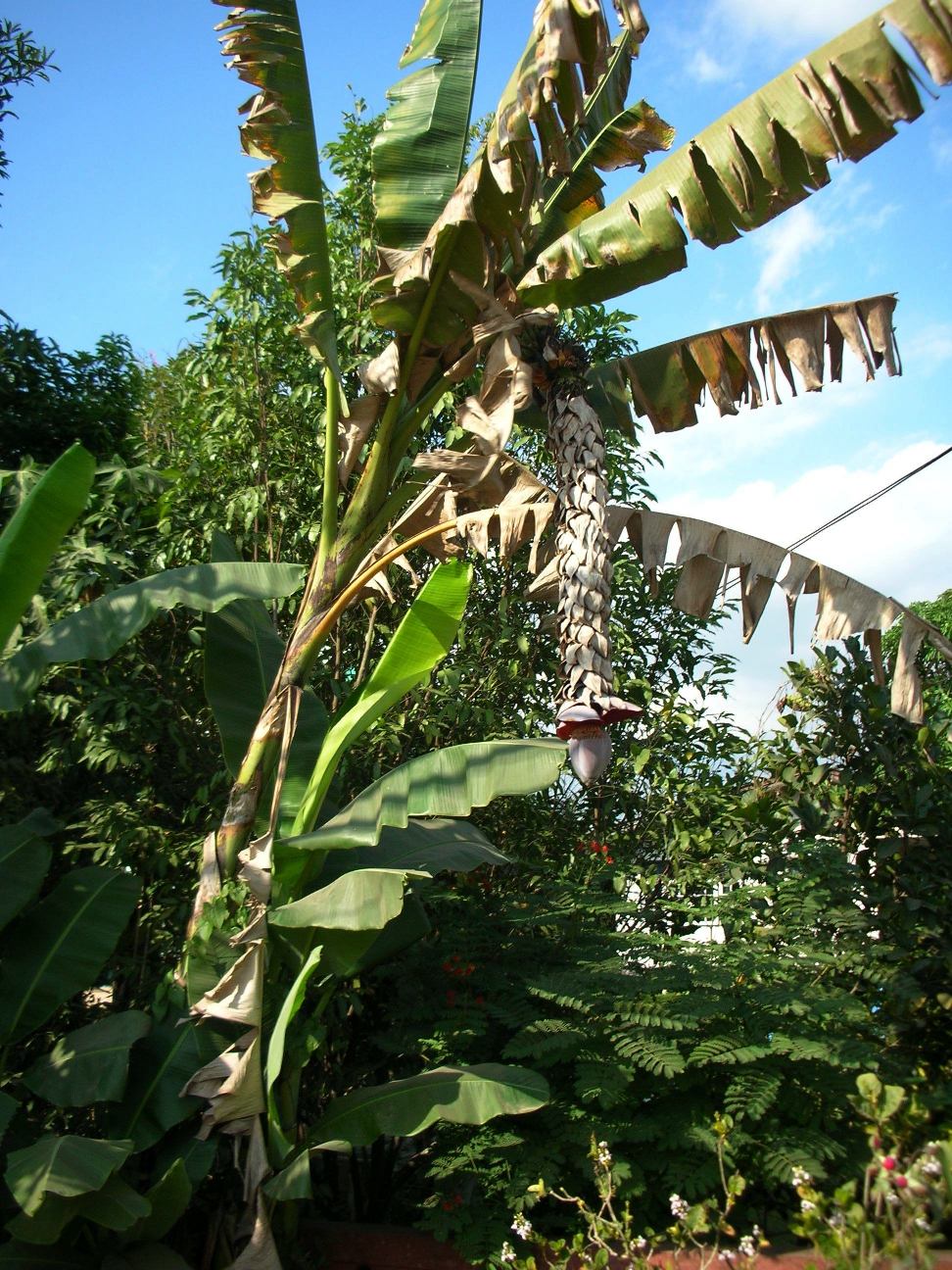
A female spirit said to inhabit wild banana trees in Southeast Asian folklore.Being · Protection · Luck and prosperity Living
Related elsewhere
All being 🇪🇬 Egypt and 1 moreSphinx
A composite creature of human head and lion body found in Egyptian and Greek mythBeing · Protection Legendary
 🇪🇬 EgyptCurse
A spoken wish for harm, often backed by ritual or divine authorityBelief · Cursing and harm · Protection Historical
 🇨🇳 China and 5 moreHorseshoe
A curved plate fixed to a horse's hoof for protection, also kept as a charm for fortune.Charm · Protection · Luck and prosperity Living
 🇪🇬 Egypt and 5 moreAmulet
A portable object worn or carried to ward off harm and invite fortuneCharm · Protection · Luck and prosperity Living