
Gazu Hyakki Yagyō
In its own language: 画図百鬼夜行
from the idiom hyakki yagyō, meaning an uncountable horde or pandemonium
A 1776 Japanese woodblock book of yōkai illustrations by Toriyama Sekien
This 1776 volume is the first in a tetralogy by artist Toriyama Sekien. It presents a supernatural bestiary of ghosts and monsters from Japanese folklore through mass-produced woodblock prints.
- Published in 1776 by Toriyama Sekien
- First volume of a four-book tetralogy
- Uses woodblock prints for mass production
- Divided into Yin, Yang, and Wind sections
- Parodied reference books but became one itself
What it is
Gazu Hyakki Yagyō serves as a supernatural bestiary within Japanese visual culture. It gathers ghosts, spirits, and monsters drawn from literature and folklore. The work functions as a reference guide for these entities. It relies on visual representation rather than ritual practice. The collection aims to catalog the strange beings of the world. It stands as a foundational text for understanding yōkai imagery. The book organizes these creatures into a structured format. It blends artistic parody with genuine ethnographic interest.
Where it comes from
Artist Toriyama Sekien published this volume in 1776 during the Edo era. It marks the start of his famous four-book series. Sekien created the images using woodblock printing techniques. This method allowed for mass production in a bound book. The style references an earlier 1737 scroll painting by Sawaki Sūshi. Sekien adapted those traditional paintings into a new commercial format. The project began as a satire of popular reference books like the Wakan Sansai Zue. It unexpectedly became a serious reference work itself. The book saw three reprints during its initial period.
How it is done
The book compiles illustrations of various yōkai into three sub-volumes. These sections are named Yin, Yang, and Wind. Each entry features a specific drawing of a creature. The Yin volume includes a foreword by poet Maki Tōei. The Wind volume concludes with an afterword written by Sekien himself. The layout presents the art alongside descriptive text. This structure allows readers to identify and study each spirit. The visual style emphasizes distinct physical traits for each monster.
Tools and materials
Woodblock printing technology forms the core material tool. This process enabled the creation of multiple identical copies. The bound book format made the images portable and accessible. Paper and ink served as the primary physical media. The artwork relied on line drawing and shading techniques. These tools facilitated the wide distribution of the imagery across Japan.
Gazu Hyakki Yagyō, drawn and placed
- Living
- Revived
- Fading
- Historical
- Legendary
- Performed
- Lineage
- yōkai imagery tradition
What it is for
The work was intended to entertain and inform readers about folklore. It parodied existing scientific and natural history reference books. Over time, it became a genuine guide to supernatural beings. Artists and writers used it to standardize yōkai appearances. It influenced subsequent depictions of monsters in Japanese culture. The book provided a visual vocabulary for the unknown. Readers sought it out to understand the spirits of their world.
Who does it
Toriyama Sekien acted as both artist and compiler. He drew upon existing folklore and literary sources. Poet Maki Tōei contributed the introductory text for the first volume. Sekien wrote the concluding remarks for the final section. Book sellers handled the printing and distribution during the Edo era. Scholars later studied the work for its cultural significance.
Peoples and places
The text originates from Japan and reflects Japanese folklore. It draws heavily on local legends and literary traditions. The imagery resonated with audiences familiar with yōkai stories. The work helped shape a shared visual language for these beings. Other volumes in the series expanded on this foundation. The influence spread through subsequent artistic works in the region.
At a glance: who, where and when
What people believe
The book operates within a framework where spirits and monsters are real entities. It treats yōkai as part of the natural and supernatural order. The compilation suggests a world teeming with unseen life. The idiom hyakki yagyō implies a chaotic gathering of these beings. The work validates folklore through systematic illustration. It bridges the gap between myth and recorded observation.
When it is done
It was published as a general reference work. Reprints occurred throughout the Edo era without tied seasonal events. The content relates to general folklore rather than specific rites.
How scholars and sceptics see it
Researchers view the book as a key artifact of Edo period culture. It demonstrates the blending of art and folklore. Scholars note its role in standardizing yōkai imagery. The work is analyzed for its satirical intent and eventual seriousness. It provides insight into how Japanese society viewed the supernatural. Modern translations make these insights available to wider audiences.
Cautions and what is closed
The text contains no instructions for rituals or harmful practices. It is a collection of illustrations and descriptions. There are no known risks associated with reading the book. It serves as a historical and artistic document. No legal restrictions or persecution are mentioned in relation to this specific volume.
Compare and confuse
The work is often compared to other yōkai encyclopedias by Sekien. It follows the tradition of Sawaki Sūshi’s earlier scroll paintings. It differs from Western bestiaries by focusing on Japanese folklore. The title references an idiom similar to pandemonium. Other volumes in the tetralogy expand on the same themes.
Law and persecution
No legal status or persecution is mentioned for this historical text. It was legally printed and sold during the Edo era. The book faced no suppression by authorities. It remains a protected cultural artifact in modern times.
Today
The book is recognized as a classic of Japanese art. A translated and annotated version appeared in English in 2016. Scholars and artists continue to study its influence. It serves as a primary source for yōkai iconography. The work maintains relevance in discussions of Japanese folklore.
Questions people ask about Gazu Hyakki Yagyō
What is Gazu Hyakki Yagyō?
It is a 1776 Japanese book of yōkai illustrations by Toriyama Sekien. It serves as a supernatural bestiary of ghosts and monsters.
Where did the idea come from?
Sekien based the art on a 1737 scroll by Sawaki Sūshi. He adapted the style into mass-produced woodblock prints.
Why was it created?
It started as a parody of popular reference books. It became a serious guide to Japanese folklore and spirits.
How is the book organized?
It has three parts: Yin, Yang, and Wind. Each contains illustrations and descriptions of different yōkai.
Good reading and sources
- Gazu Hyakki Yagyō on WikipediaEncyclopedia
- More photos on Wikimedia CommonsPhotos and video
- Wikidata recordOpen data
The facts on this page come from the Wikipedia article "Gazu Hyakki Yagyō", written by its contributors and used under the CC BY-SA 4.0 licence, and from its Wikidata record (CC0). EveryJaadu rewrote the text in its own words, with AI assistance, and compares every page with the article to make sure no passage is copied. It may be reused under the same CC BY-SA 4.0 licence with a link back.
It may contain mistakes. Names and customs differ from one community to the next, and some knowledge is closed to outsiders and left out here. This page describes belief and practice. It does not say that any of it works, it is not a how-to, and it is not medical advice. If something is wrong, tell us. Last refreshed 2026-10-05.
More from Japan
All the entries from Japan 🇨🇳 China and 2 moreJiang Ziya姜子牙
A historical strategist and war god who helped establish the Zhou dynastyFigure · Power and authority · Cursing and harm Historical
🇨🇳 China and 2 moreJiang Ziya姜子牙
A historical strategist and war god who helped establish the Zhou dynastyFigure · Power and authority · Cursing and harm Historical
 🇯🇵 Japan and 1 moreKūkai空海
Founder of Shingon Buddhism who brought Vajrayana esoteric practices from China to Japan.Text · Power and authority · Protection Historical
🇫🇷 France and 3 moreBardo Thodolབར་དོ་ཐོས་གྲོལ (bar do thos grol)
A Tibetan Buddhist guide for navigating the intermediate state between death and rebirth.Text Living
🇯🇵 Japan and 1 moreKūkai空海
Founder of Shingon Buddhism who brought Vajrayana esoteric practices from China to Japan.Text · Power and authority · Protection Historical
🇫🇷 France and 3 moreBardo Thodolབར་དོ་ཐོས་གྲོལ (bar do thos grol)
A Tibetan Buddhist guide for navigating the intermediate state between death and rebirth.Text Living
 🇨🇳 China and 1 moreJiji ru lüling急急如律令
A Taoist incantation demanding immediate action from spiritsText · Cursing and harm · Protection Historical
🇨🇳 China and 1 moreJiji ru lüling急急如律令
A Taoist incantation demanding immediate action from spiritsText · Cursing and harm · Protection Historical
Related elsewhere
All text 🇬🇧 United Kingdom and 2 moreKing ArthurBrenin Arthur
A legendary British king and folk hero of medieval literature and Welsh mythologyFigure · Power and authority · Wonder and entertainment Legendary
🇬🇧 United Kingdom and 2 moreKing ArthurBrenin Arthur
A legendary British king and folk hero of medieval literature and Welsh mythologyFigure · Power and authority · Wonder and entertainment Legendary
 🇪🇬 Egypt and 1 moreSphinx
A mythical hybrid with a human head and lion body, serving as guardian or riddler in Egyptian and Greek traditions.Being · Protection · Wonder and entertainment Legendary
🇪🇬 Egypt and 1 moreSphinx
A mythical hybrid with a human head and lion body, serving as guardian or riddler in Egyptian and Greek traditions.Being · Protection · Wonder and entertainment Legendary
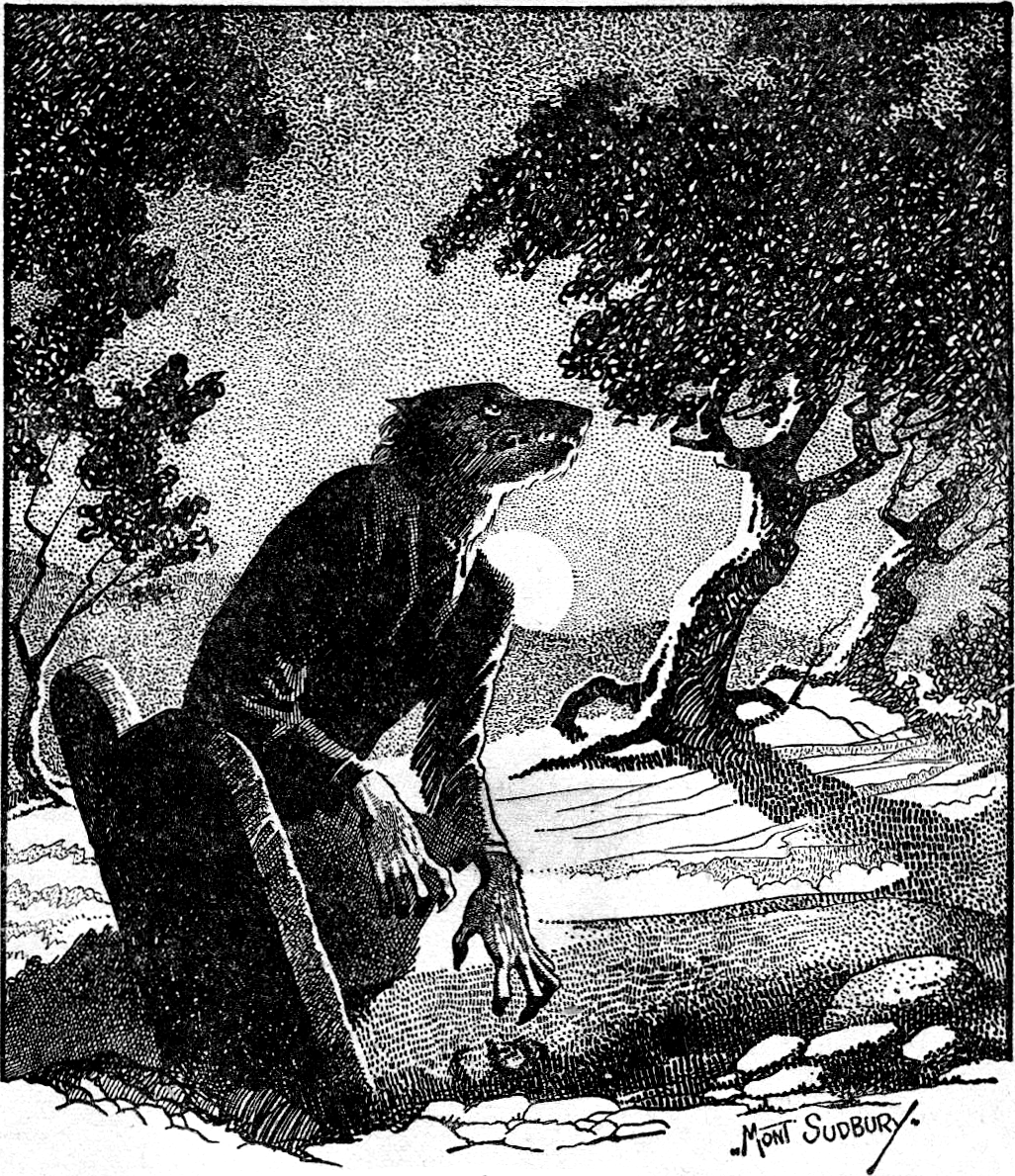 🇫🇷 France and 5 moreWerewolf
A mythical shapeshifter that turns into a wolf, central to European witch-hunts and Gothic horror.Being · Cursing and harm · Wonder and entertainment Legendary
🇫🇷 France and 5 moreWerewolf
A mythical shapeshifter that turns into a wolf, central to European witch-hunts and Gothic horror.Being · Cursing and harm · Wonder and entertainment Legendary
 🇪🇸 Spain and 5 moreSt John's Eve
A Christian vigil marked by bonfires and plant gathering on the summer solstice eveRite · Protection · Speaking with spirits and the dead Living
🇪🇸 Spain and 5 moreSt John's Eve
A Christian vigil marked by bonfires and plant gathering on the summer solstice eveRite · Protection · Speaking with spirits and the dead Living