
Drangue
In its own language: drangùe
Related to words for small fish or wild cubs, likely referencing his unusual birth
A winged storm hero who battles the serpent Kulshedra in Albanian myth
The drangue is a semi-human divine warrior from Albanian pagan mythology. He represents light and good, fighting the dark serpent Kulshedra to protect people from storms and natural disasters.
- Born with wings under arms and covered in caul
- Fights the serpent Kulshedra during thunderstorms
- Uses his cradle as a shield against blows
- Linked to Indo-European sky god motifs
- Thunder-stones are kept for good luck
What it is
The drangue is a divine hero in Albanian tradition. He appears as a winged being with supernatural strength. He stands for light and order against the darkness of the serpent Kulshedra. People view him as a protector of humanity. He fights to stop the destructive power of storms and droughts. His presence brings cosmic renewal through his victory over chaos.
Where it comes from
Scholars link the drangue to Indo-European sky gods like Zojz. The myth shares features with the Chaoskampf motif found across ancient cultures. This involves a storm god battling a multi-headed water serpent. The legend may have originated as an explanation for weather patterns. It reflects a dualistic worldview where light and dark constantly struggle for balance.
How it is done
Thunderstorms are seen as the physical clash between the drangue and Kulshedra. The sound of thunder represents their weapons hitting each other. The hero uses lightning bolts and throws heavy objects like trees or rocks. In some stories, he drowns the serpent in rivers. These actions are believed to clear the skies and restore safety to the land.
Tools and materials
He wields lightning-swords and thunderbolts as primary weapons. He also uses meteoric stones and piles of boulders. A unique feature is his use of his own cradle as a shield. This defense protects him from the serpent's attacks during their legendary battles. His wings and arms are sources of immense power.
Drangue, drawn and placed
- Living
- Revived
- Fading
- Historical
- Legendary
- Performed
- Lineage
- Albanian pagan mythology
- Timing
- during thunderstorms
What it is for
The main goal is to defeat Kulshedra and protect mankind. He shields people from fires, floods, and droughts caused by the serpent. Communities believe his victories ensure agricultural prosperity. He is invoked to turn away harmful weather. His role is to maintain the cosmic order against chaotic forces.
Who does it
He is a figure of belief rather than active ritual practice today. Scholars study him as a culture hero. Some elderly people in mountain regions still hold beliefs about his existence. He is not served by priests but is respected as a supreme protective force in the local pantheon.
Peoples and places
The belief is widespread among Albanians. It extends into parts of Montenegro and Kosovo. Regional variations exist, with different heroes leading the fight. Each area claims its own specific drangue figures. The myth unites these diverse local traditions under a common narrative of protection.
At a glance: who, where and when
Peoples


What people believe
The drangue embodies the triumph of celestial order over chthonic chaos. He is linked to the sun and sky deities. His battle symbolizes the cyclic renewal of nature. The conflict mirrors the cult of the Sun and Moon. Victory ensures the continuation of life and fertility in the watery world.
When it is done
Beliefs are most active during severe weather events. Thunderstorms trigger associations with his battles. Rituals involving fire containers are performed to aid him or appease the storm. These acts occur when torrential rains or hail threaten crops and livestock.
How scholars and sceptics see it
Researchers identify parallels with Proto-Indo-European religion. They note the similarity to the Storm God versus Sea Serpent trope. The myth is analyzed as a symbolic representation of natural cycles. Anthropologists view it as a framework for understanding environmental threats.
Cautions and what is closed
The belief system is historical and cultural. No specific dangers are associated with the figure itself in modern contexts.
Compare and confuse
He is similar to other Indo-European sky heroes. He contrasts with the earth-bound Kulshedra. The dynamic resembles Zeus versus Typhon or Thor versus Jörmungandr. However, the specific Albanian details of the cradle-shield and winged infants are unique.
Law and persecution
The tradition is part of the cultural heritage of the Albanian people.
Questions people ask about Drangue
What is a drangue?
A winged divine hero in Albanian mythology who fights the serpent Kulshedra to protect people from storms and natural disasters.
Where does this belief come from?
It originates in Albanian pagan mythology, sharing roots with broader Indo-European traditions of storm gods battling chaos serpents.
How is he born?
He is said to be born with two or four wings under his arms and his head covered in a caul, making him invulnerable.
What tools does he use?
He wields lightning-swords, thunderbolts, and meteoric stones, while using his infant cradle as a shield to parry enemy attacks.
Good reading and sources
The facts on this page come from the Wikipedia article "Drangue", written by its contributors and used under the CC BY-SA 4.0 licence, and from its Wikidata record (CC0). EveryJaadu rewrote the text in its own words, with AI assistance, and compares every page with the article to make sure no passage is copied. It may be reused under the same CC BY-SA 4.0 licence with a link back.
It may contain mistakes. Names and customs differ from one community to the next, and some knowledge is closed to outsiders and left out here. This page describes belief and practice. It does not say that any of it works, it is not a how-to, and it is not medical advice. If something is wrong, tell us. Last refreshed 2026-10-23.
More from Albania
All the entries from Albania 🇷🇸 Serbia and 5 moreVampire
An undead being from European folklore that feeds on the life force of the living.Being · Cursing and harm Legendary
 🇫🇷 France and 5 moreRevenant
An animated corpse or spirit that returns from the grave to haunt the livingBeing · Cursing and harm Legendary
🇷🇴 Romania and 2 moreStrigoi
A Romanian undead spirit linked to witchcraft and vampirismBeing · Cursing and harm Historical
 🇬🇷 Greece and 5 moreZeusΖεύς
Supreme king of the Greek gods and ruler of the sky and thunderBeing · Power and authority Legendary
Related elsewhere
All being 🇮🇩 IndonesiaBarongᬩᬭᭀᬂ
A lion-like spirit king of Balinese mythology who battles the witch-queen Rangda in ritual dance.Being · Protection · Wonder and entertainment Living
 🇦🇺 Australia and 1 moreTattoo
A permanent mark made by placing pigment under the skin to form a design.Tradition · Protection · Power and authority Living
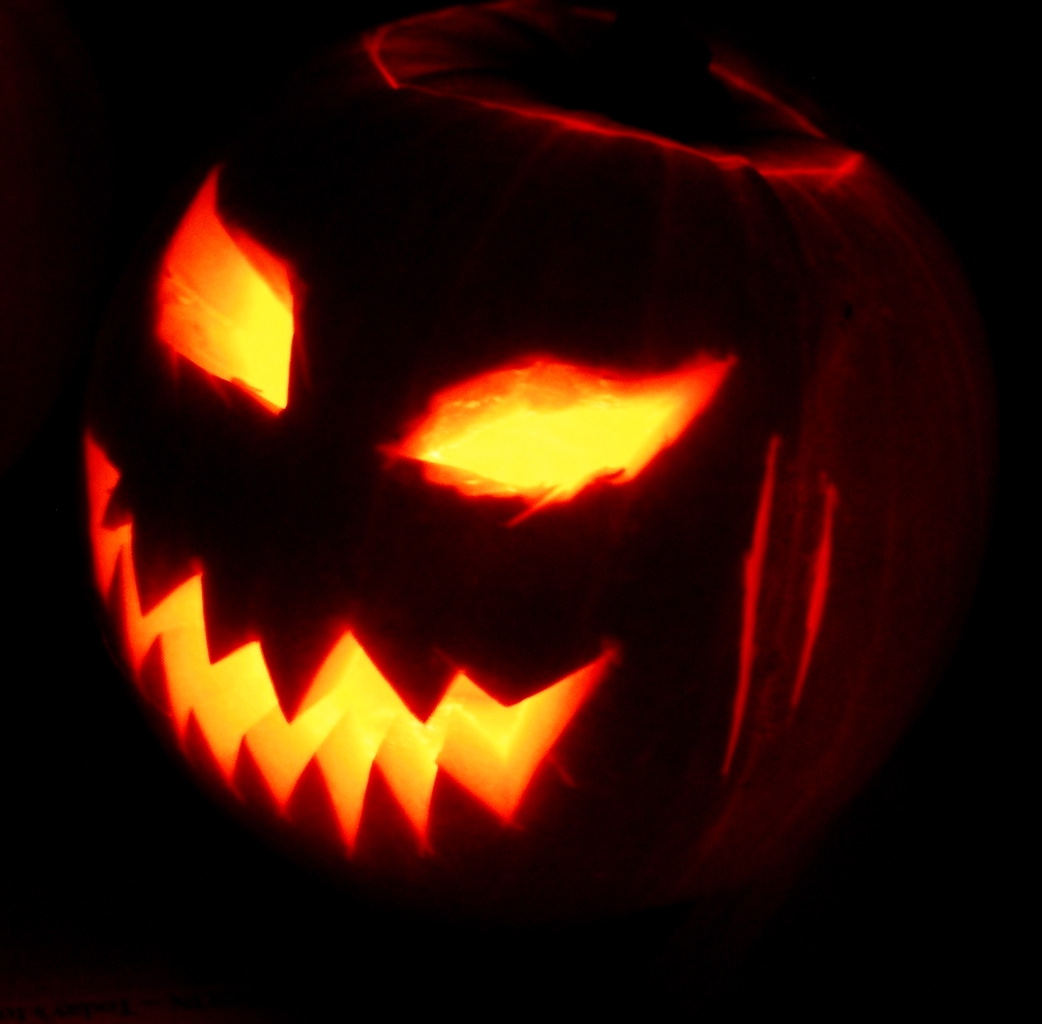 🇮🇪 Ireland and 2 moreJack-o'-lantern
A hollowed vegetable carved with a face and lit from within, worn as a Halloween symbolCharm · Protection · Wonder and entertainment Living
 🇺🇸 United StatesHex sign
Pennsylvania Dutch barn symbols that range from folk art to talismansCharm · Protection · Wonder and entertainment Living