Boiúna
translated as Black Snake
A powerful river serpent from Amazonian mythology that shifts shape to guard its waters
The Boiúna is a nocturnal black snake creature from Brazilian indigenous mythology. It is the most powerful being in Amazon rivers and can change form to frighten fishermen who enter its territory.
- Translated as Black Snake
- Most powerful river creature in the Amazon
- Can take forms like a canoe or woman
- Also called Cobra-Grande or Mboiaçu
- Featured in modern horror media
What it is
The Boiúna is a mythological creature in Brazilian folklore. Translated as Black Snake, it is described as a nocturnal black snake. It holds the title of the most powerful creature within the rivers of the Amazon rainforest. The entity is also known by other names such as Cobra-Grande, meaning Large Serpent, and Mboiaçu. It serves as a dominant spirit or beast of the waterways.
Where it comes from
The creature originates from the mythology of the indigenous peoples of the Americas in Brazil. It is a central figure in local legends concerning the Amazon rainforest. The name Boiúna translates directly to Black Snake. Alternative names include Cobra-Grande and Mboiaçu. These terms reflect its status as a large serpent in regional storytelling.
Boiúna, drawn and placed
- Living
- Revived
- Fading
- Historical
- Legendary
- Performed
- Lineage
- Brazilian mythology
Peoples and places
The Boiúna belongs to the cultural heritage of indigenous peoples in Brazil. It is specifically tied to the Amazon rainforest region. Stories describe it as the ruler of river territories. Fishermen in these areas are said to encounter this creature when entering its domain. The legend persists within the broader context of Brazilian mythology.
What people believe
Practitioners and storytellers hold that the Boiúna is a formidable force in nature. It is believed to protect its river territory from intruders. The creature uses various shapes to frighten away fishermen. Forms mentioned include a canoe, a sailboat, and a woman. This shape-shifting ability allows it to deceive or scare those who approach its waters.
Today
The Boiúna appears in modern popular culture. It features in the series The River, where it represents an evil life force of the river itself. In AdventureQuest Worlds, it appears as a recolored version of a standard snake. A 2026 horror movie titled Beware Boiúna also features the creature as the main antagonist.
Questions people ask about Boiúna
What is the Boiúna?
It is a mythological black snake creature from Brazilian indigenous mythology. It is considered the most powerful being in Amazon rivers.
Where does the Boiúna come from?
It originates from the legends of indigenous peoples in Brazil. It is deeply connected to the Amazon rainforest and its waterways.
What can the Boiúna do?
It is said to shift into different shapes to frighten fishermen. Forms include a canoe, a sailboat, or a woman to guard its territory.
Good reading and sources
The facts on this page come from the Wikipedia article "Boiuna", written by its contributors and used under the CC BY-SA 4.0 licence, and from its Wikidata record (CC0). EveryJaadu rewrote the text in its own words, with AI assistance, and compares every page with the article to make sure no passage is copied. It may be reused under the same CC BY-SA 4.0 licence with a link back.
It may contain mistakes. Names and customs differ from one community to the next, and some knowledge is closed to outsiders and left out here. This page describes belief and practice. It does not say that any of it works, it is not a how-to, and it is not medical advice. If something is wrong, tell us. Last refreshed 2026-10-06.
More from Brazil
All the entries from Brazil 🇵🇷 Puerto Rico and 5 moreChupacabrachupacabras
A legendary creature said to drain livestock of blood, emerging from Puerto Rico in the mid-1990sBeing · Cursing and harm Legendary
🇵🇷 Puerto Rico and 5 moreChupacabrachupacabras
A legendary creature said to drain livestock of blood, emerging from Puerto Rico in the mid-1990sBeing · Cursing and harm Legendary
 🇧🇷 Brazil and 2 moreCurupira
A backwards-footed forest guardian from Brazilian indigenous myth who punishes loggers and misleads travelers.Being · Protection · Cursing and harm Legendary
🇧🇷 Brazil and 2 moreCurupira
A backwards-footed forest guardian from Brazilian indigenous myth who punishes loggers and misleads travelers.Being · Protection · Cursing and harm Legendary
 🇵🇪 Peru and 1 moreChullachaqui
A one-footed forest spirit of the Amazon that lures or challenges humansBeing · Cursing and harm · Power and authority Legendary
🇵🇪 Peru and 1 moreChullachaqui
A one-footed forest spirit of the Amazon that lures or challenges humansBeing · Cursing and harm · Power and authority Legendary
 🇧🇷 BrazilBoitatá
A fiery serpent of Brazilian folklore that guards forests or frightens childrenBeing · Protection · Cursing and harm Living
🇧🇷 BrazilBoitatá
A fiery serpent of Brazilian folklore that guards forests or frightens childrenBeing · Protection · Cursing and harm Living
Related elsewhere
All being 🇷🇸 Serbia and 5 moreVampire
An undead creature from folklore that feeds on the blood or life force of the livingBeing · Cursing and harm · Luck and prosperity Legendary
🇷🇸 Serbia and 5 moreVampire
An undead creature from folklore that feeds on the blood or life force of the livingBeing · Cursing and harm · Luck and prosperity Legendary
 🇪🇬 Egypt and 1 moreSphinx
A mythical hybrid with a human head and lion body, serving as guardian or riddler in Egyptian and Greek traditions.Being · Protection · Wonder and entertainment Legendary
🇪🇬 Egypt and 1 moreSphinx
A mythical hybrid with a human head and lion body, serving as guardian or riddler in Egyptian and Greek traditions.Being · Protection · Wonder and entertainment Legendary
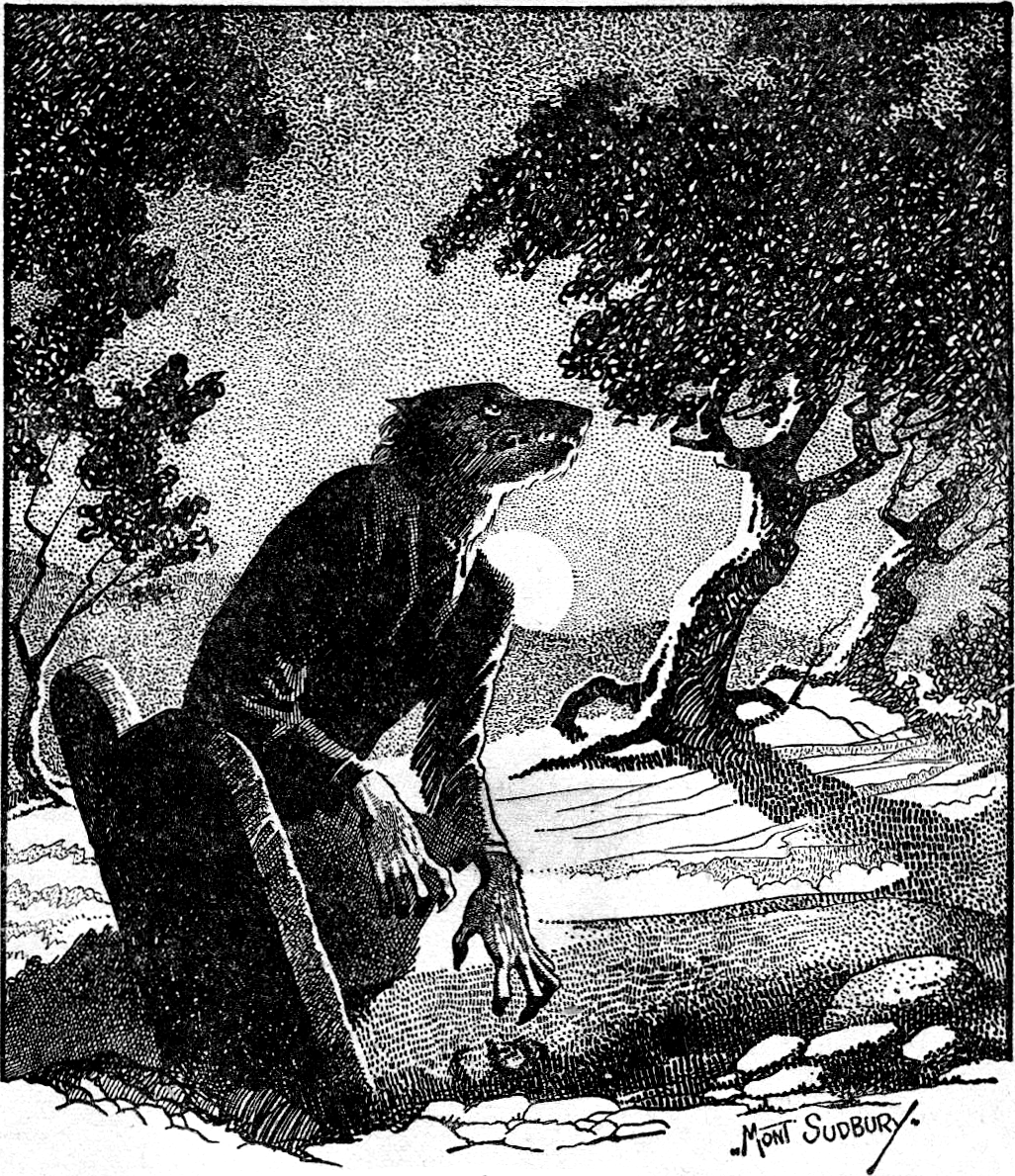 🇫🇷 France and 5 moreWerewolf
A mythical shapeshifter that turns into a wolf, central to European witch-hunts and Gothic horror.Being · Cursing and harm · Wonder and entertainment Legendary
🇫🇷 France and 5 moreWerewolf
A mythical shapeshifter that turns into a wolf, central to European witch-hunts and Gothic horror.Being · Cursing and harm · Wonder and entertainment Legendary
 🇪🇬 Egypt and 1 moreLilithלִילִית
A feminine figure from Mesopotamian and Jewish mythology, often depicted as a night demon or spirit.Being · Cursing and harm Legendary
🇪🇬 Egypt and 1 moreLilithלִילִית
A feminine figure from Mesopotamian and Jewish mythology, often depicted as a night demon or spirit.Being · Cursing and harm Legendary