Luck and prosperity
Charms for fortune, success, a good harvest and a safe journey.
Luck magic aims at fortune, success, wealth and a safe passage. People keep lucky charms, perform money rites, pour offerings to a god of wealth, and avoid unlucky days. Examples include the Chinese lucky cat and the red packet, the Japanese daruma doll, the Indian worship of Lakshmi at Diwali, the European four-leaf clover and horseshoe, and the Hoodoo mojo bag. This page looks at what luck means and who profits from it.
Ideas of luck
Cultures differ on what luck is. In China, fortune is tied to fate, timing and the placement of objects, giving rise to feng shui and the choice of lucky numbers. In West Africa, success is linked to a person's destiny and the help of the orisha or ancestors. In Europe, luck came to be seen as chance, with charms to tilt it. Many societies see wealth as shared and fear that good fortune attracts envy. Merchants, farmers, gamblers and students are the usual customers, and the amounts asked of them range from a coin to a lifetime of savings.
Customs
Customs are domestic and mostly small. Merchants in Taiwan and China burn paper offerings and put out fruit at the start of the month. Fishers and sailors keep charms and avoid certain words. Gamblers, students and athletes have habits they will not break. Many rites involve giving something away, since reciprocity is thought to keep fortune moving. Lucky days are often chosen by calendar or astrologer, so that a shop opens, a wedding is held or a journey begins on a favourable date.
Schemes and scams
Luck is easy to sell. Lottery charms, gemstone bracelets and sellers who promise riches for a fee make money from hope. Fraud involving fake spiritualists who say a client's money is cursed and must be handed over is documented in many countries. Playing games of chance with charms may feel harmless, but anyone struggling with gambling should seek real help. Some wealth rites are public and religious, as with Diwali lamps for Lakshmi and the Lunar New Year offerings to the god of wealth, and some are private and quiet.
Scholars and sceptics
Psychologists have found that carrying a lucky charm can raise confidence and performance in some tasks, without changing the odds of chance. Economists study the role of luck in success. Religious authorities differ: some see lucky objects as idolatry, others as harmless custom, and prosperity churches around the world teach a faith-based version of the same hope. Those who struggle with debt or gambling harm should look for practical advice, since a charm does not change the odds or pay the bills.
Luck and prosperity on EveryJaadu
The entries written up so far, best known first.
 🇩🇪 GermanyAlp
A Germanic spirit that presses on sleepers and drinks milkBeing · Cursing and harm · Luck and prosperity Historical
🇬🇧 United Kingdom and 1 moreKnocker
A mine spirit of Cornwall and Devon that warns of danger and plays tricks on workersBeing · Protection · Luck and prosperity Historical
🇩🇪 GermanyAlp
A Germanic spirit that presses on sleepers and drinks milkBeing · Cursing and harm · Luck and prosperity Historical
🇬🇧 United Kingdom and 1 moreKnocker
A mine spirit of Cornwall and Devon that warns of danger and plays tricks on workersBeing · Protection · Luck and prosperity Historical
 🇯🇵 JapanYōkai妖怪
A vast class of supernatural spirits and entities in Japanese folkloreBeing · Cursing and harm · Luck and prosperity Historical
🇯🇵 JapanYōkai妖怪
A vast class of supernatural spirits and entities in Japanese folkloreBeing · Cursing and harm · Luck and prosperity Historical
 🇬🇷 Greece and 4 moreKallikantzarosκαλικάντζαρος
A malevolent goblin that dwells underground and surfaces during the twelve days of Christmas.Being · Cursing and harm · Luck and prosperity Historical
🇬🇷 Greece and 4 moreKallikantzarosκαλικάντζαρος
A malevolent goblin that dwells underground and surfaces during the twelve days of Christmas.Being · Cursing and harm · Luck and prosperity Historical
 🇷🇸 Serbia and 5 moreZduhaćздухаћ
A South Slavic belief in men who fight storms and hail to protect their cropsBeing · Protection · Cursing and harm Historical
🇷🇸 Serbia and 5 moreZduhaćздухаћ
A South Slavic belief in men who fight storms and hail to protect their cropsBeing · Protection · Cursing and harm Historical
 🇷🇺 Russia and 3 moreChortчёрт
A Slavic demon spirit with horns and hooves, known in folklore as a trickster or minor evil force.Being · Cursing and harm · Luck and prosperity Historical
🇷🇺 Russia and 3 moreChortчёрт
A Slavic demon spirit with horns and hooves, known in folklore as a trickster or minor evil force.Being · Cursing and harm · Luck and prosperity Historical
 🇷🇴 Romania and 2 moreStrixστρίξ
A classical bird of ill omen that evolved into a term for witches and vampires across Europe.Being · Cursing and harm · Luck and prosperity Historical
🇷🇴 Romania and 2 moreStrixστρίξ
A classical bird of ill omen that evolved into a term for witches and vampires across Europe.Being · Cursing and harm · Luck and prosperity Historical
 🇮🇱 Israel and 1 moreTeraphimתרפים
Ancient Hebrew household figures linked to ancestry, property rights and divinationBeing · Seeing and foretelling · Luck and prosperity Historical
🇷🇺 Russia and 4 moreFiery serpentsогненный змей
A pan-Slavic spirit of fire and wind, seen as a demon or a household helperBeing · Cursing and harm · Luck and prosperity Historical
🇮🇱 Israel and 1 moreTeraphimתרפים
Ancient Hebrew household figures linked to ancestry, property rights and divinationBeing · Seeing and foretelling · Luck and prosperity Historical
🇷🇺 Russia and 4 moreFiery serpentsогненный змей
A pan-Slavic spirit of fire and wind, seen as a demon or a household helperBeing · Cursing and harm · Luck and prosperity Historical
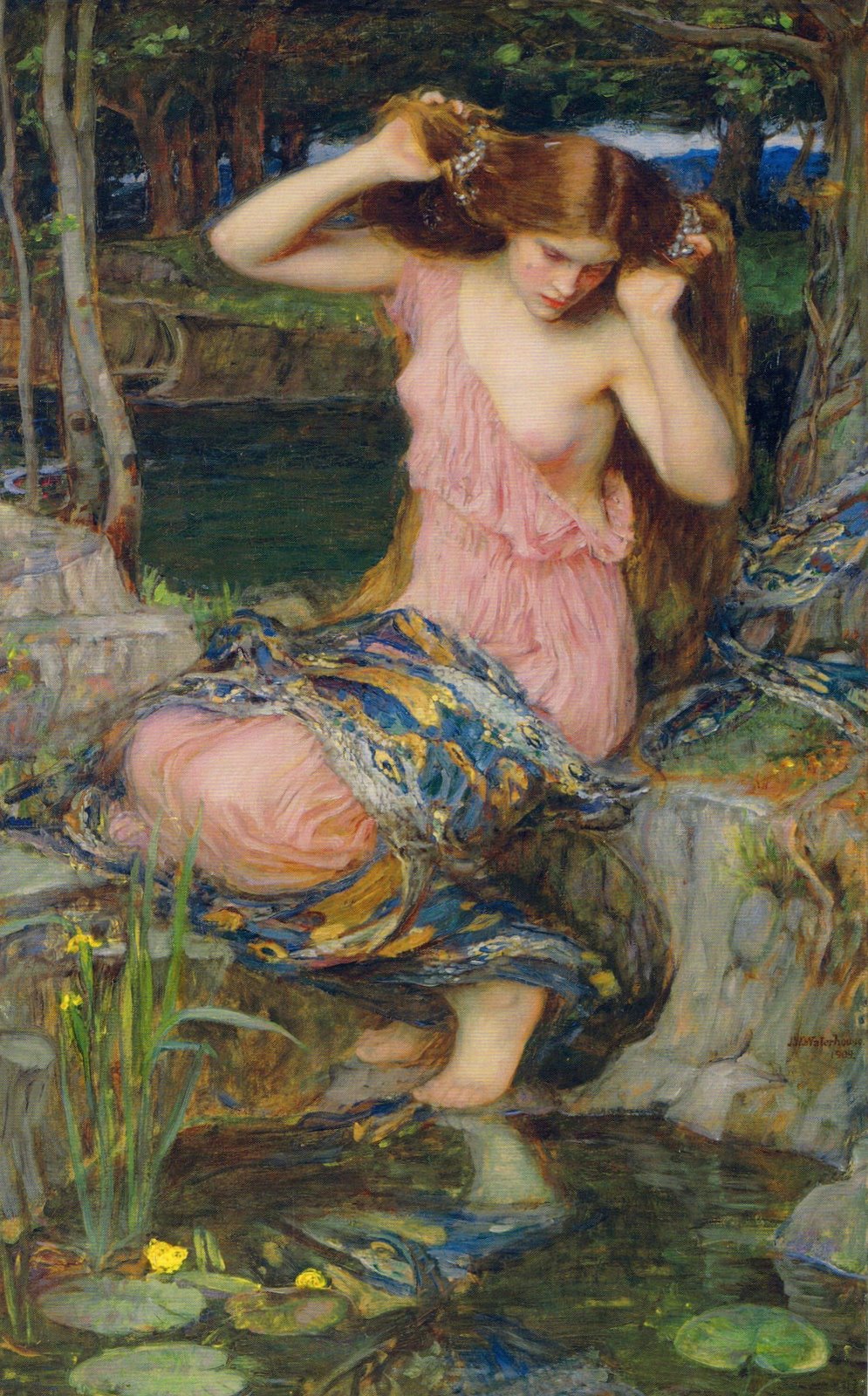 🇪🇸 SpainAnjanaanˈhana / an.xa.nɜ
Cantabrian fairies who protect forests and bring gifts to children.Being · Protection · Luck and prosperity Historical
🇪🇸 SpainAnjanaanˈhana / an.xa.nɜ
Cantabrian fairies who protect forests and bring gifts to children.Being · Protection · Luck and prosperity Historical
 🇫🇷 FranceMargot the fairy
Earthly fairies of Brittany known for dancing, building monuments, and testing human guests.Being · Luck and prosperity · Cursing and harm Historical
🇯🇵 JapanAyakashi妖
Water spirits and ghost lights in Japanese folkloreBeing · Cursing and harm · Luck and prosperity Historical
🇫🇷 FranceMargot the fairy
Earthly fairies of Brittany known for dancing, building monuments, and testing human guests.Being · Luck and prosperity · Cursing and harm Historical
🇯🇵 JapanAyakashi妖
Water spirits and ghost lights in Japanese folkloreBeing · Cursing and harm · Luck and prosperity Historical
 🇷🇺 Russia and 5 moreFiredrakeognennyi zmei
A European dragon myth born from sightings of shooting stars and will-o'-the-wispsBeing · Cursing and harm · Luck and prosperity Historical
🇷🇺 Russia and 5 moreFiredrakeognennyi zmei
A European dragon myth born from sightings of shooting stars and will-o'-the-wispsBeing · Cursing and harm · Luck and prosperity Historical
 🇬🇧 United KingdomBuccabocka
A Cornish sea-spirit and mine-dweller who receives fish offerings from coastal communities.Being · Protection · Luck and prosperity Historical
🇬🇧 United KingdomBuccabocka
A Cornish sea-spirit and mine-dweller who receives fish offerings from coastal communities.Being · Protection · Luck and prosperity Historical
 🇩🇪 GermanyFeldgeist
German folk creatures tied to crops, weather and harvest ritualsBeing · Cursing and harm · Luck and prosperity Historical
🇩🇪 GermanyFeldgeist
German folk creatures tied to crops, weather and harvest ritualsBeing · Cursing and harm · Luck and prosperity Historical
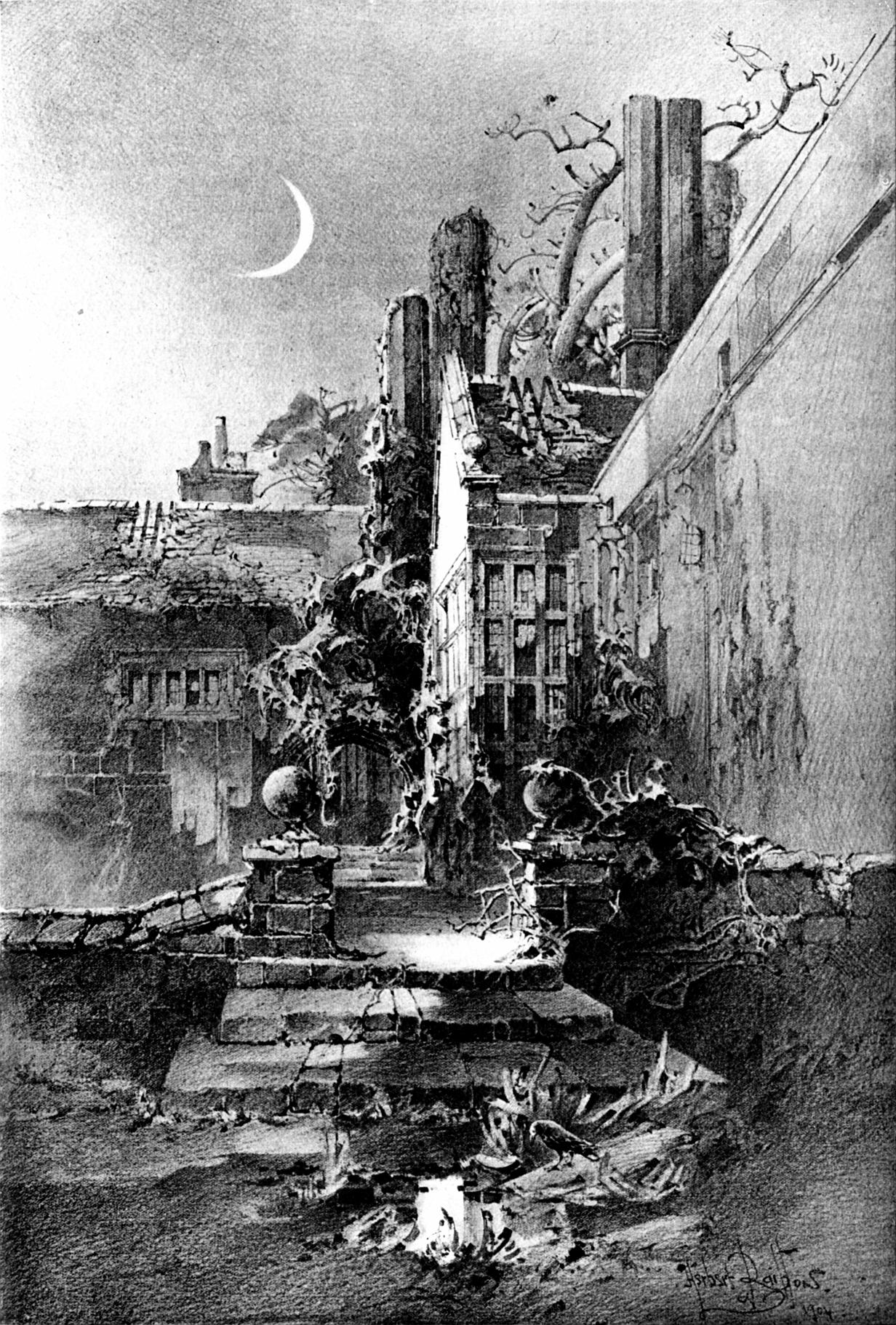 🇬🇧 United KingdomHobgoblin
A household spirit from English folklore known for chores and mischiefBeing · Cursing and harm · Luck and prosperity Historical
🇯🇵 JapanYamajijii山爺
A one-eyed mountain spirit from Shikoku folklore known for its thunderous voice and unpredictable nature.Being · Cursing and harm · Luck and prosperity Historical
🇬🇧 United KingdomHobgoblin
A household spirit from English folklore known for chores and mischiefBeing · Cursing and harm · Luck and prosperity Historical
🇯🇵 JapanYamajijii山爺
A one-eyed mountain spirit from Shikoku folklore known for its thunderous voice and unpredictable nature.Being · Cursing and harm · Luck and prosperity Historical
Photo credits on this page
The small pictures above come from Wikimedia Commons under free licences. Some are cropped to fit.
- Kallikantzaros: Katolophyromai, CC BY-SA 4.0, source
- Zduhać: Bidgee, CC BY-SA 3.0, source
- Xana: John William Waterhouse, Public domain, source
- Alp: Henry Fuseli, Public domain, source
- Changeling: Henry Fuseli, Public domain, source
- Yōkai: Kyosai Kawanabe (河鍋 暁斎), Public domain, source
- Strix: Prosthetic Head, CC BY-SA 4.0, source
- Hobgoblin: Herbert Railton, Public domain, source
- Feldgeist: Zwoelefant, CC BY-SA 3.0, source
- Bucca: Frederick Whymper, Public domain, source
- Firedrake: Ramesh Kumar R, CC BY-SA 4.0, source
- Chort: Unknown author, Public domain, source
- Teraphim: Athanasius Kircher, Public domain, source