Cursing and harm
Curses, hexes and sorcery as people describe and fear them, with the counter-magic against them.
Cursing and harm are the part of magic that societies fear most. This page describes curses and sorcery as beliefs, and the social role of fear and accusation, and does not give instructions. The evil eye, the curse tablets of the Greek and Roman world, Hebrew and Arabic writings on harmful magic, sorcery in Melanesia and Africa, and the European witch are all part of this subject. Most of the harm recorded is that done to people accused.
What is believed
Many cultures hold that envy, anger or hostile ritual can bring illness, loss or death to a victim. The beliefs differ: in the Mediterranean, the evil eye needs no intent. In Azande society, studied by Evans-Pritchard, witchcraft was an inherited substance that explained why misfortune struck one person and not another. Greek and Roman lead curse tablets, often addressed to gods of the underworld, show the belief was written down in antiquity.
Accusation as social force
Where harm is feared, accusation follows. Anthropologists have shown that charges of witchcraft often follow tension inside a family or village, such as inheritance, jealousy or a sudden death. Accusers are usually in conflict with the accused, who is more likely to be old, poor, widowed or marginal. The belief can enforce norms and also destroy people. People also fear being accused, since an accusation can arrive without warning and can follow a family for generations.
Persecution and its present
European and colonial American witch trials, from the fifteenth to the eighteenth century, put tens of thousands to death, including the Salem trials of 1692. The practice has not ended. Mobs and families still attack accused people in parts of Africa, India, Papua New Guinea and elsewhere, and Saudi Arabia has executed people for sorcery. Albino people have been killed for body parts in East Africa. Several states are drafting or enforcing laws against accusation itself.
Counter-magic and scholarship
Where harm is feared, so is protection: amulets, cleansing, and a specialist who can say who sent it. Scholars see curses as a language of grievance, and psychologists have documented the nocebo effect, in which belief in harm can bring on real distress. A person who is afraid should seek medical and social help, and talk to someone they trust. People who believe they have been cursed should be helped to find practical support, including from health services, and not left alone with fear.
Cursing and harm on EveryJaadu
The entries written up so far, best known first.
 🇪🇬 EgyptCurse
A spoken wish for harm, often backed by ritual or divine authorityBelief · Cursing and harm · Protection Historical
 🇮🇱 Israel and 5 moreChild sacrifice
The ritual killing of children to appease deities or supernatural forcesRite · Cursing and harm · Speaking with spirits and the dead Historical
 🇮🇸 Iceland and 3 moreSeiðr
A Norse divination and manipulation magic practiced during the Viking Age.Tradition · Seeing and foretelling · Cursing and harm Revived
🇮🇱 Israel and 5 moreBirkat haMinimברכת המינים
A Jewish liturgical curse against apostates and Christians within the daily standing prayerRite · Cursing and harm · Binding and oaths Historical
🇷🇴 RomaniaTanacu exorcism
A 2005 Romanian Orthodox ritual that ended in a nun's death and a murder convictionRite · Speaking with spirits and the dead · Cursing and harm Historical
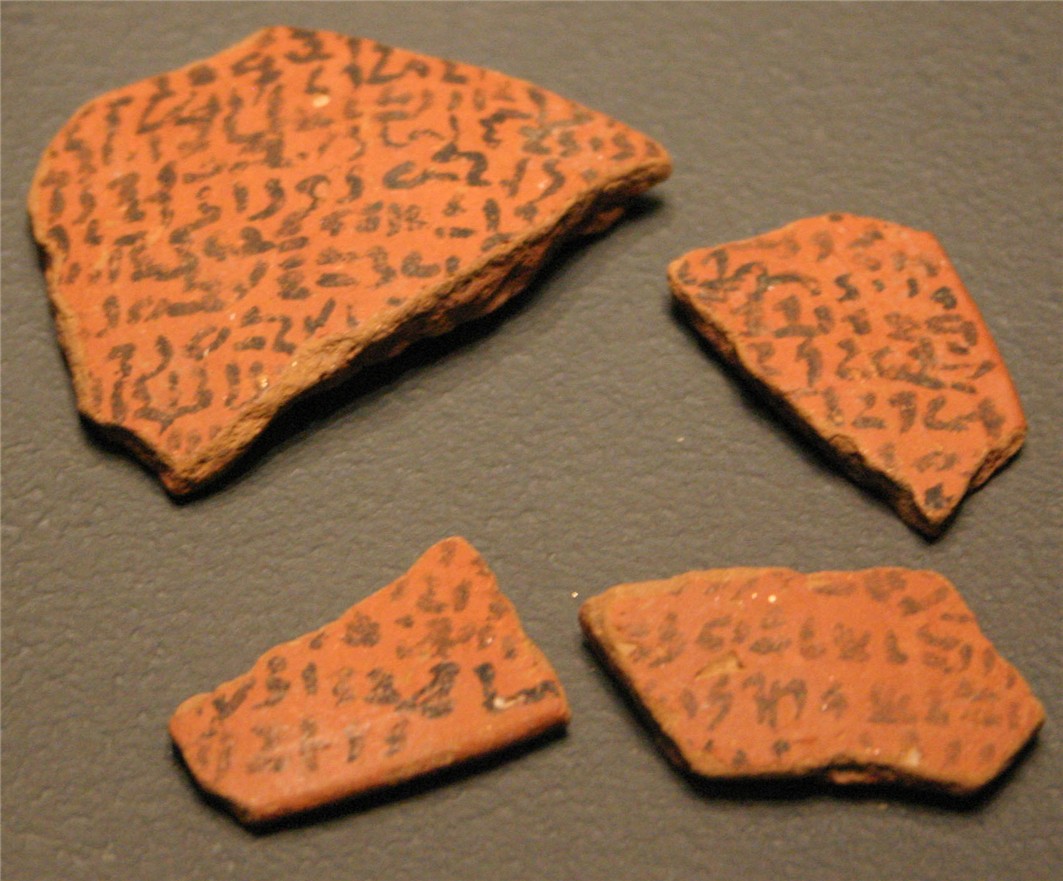 🇪🇬 Egypt and 4 moreExecration texts
Ancient Egyptian magical texts inscribed on objects to be destroyed, targeting enemies of the state.Text · Protection · Cursing and harm Historical
 🇫🇷 FranceLoudun possessionsaffaire des possédées de Loudun
A 17th-century witchcraft trial in France involving alleged demonic possession by Ursuline nuns.Belief · Cursing and harm · Speaking with spirits and the dead Historical
 🇮🇱 Israel and 1 moreOrdeal of the bitter waterמֵי הַמָּרִים (mei ha-marim)
A biblical test for a wife accused of adultery when no witnesses are present.Rite · Cursing and harm · Protection Historical
🇬🇧 United KingdomCorsned
An Anglo-Saxon trial by ordeal using a consecrated piece of bread and cheese to determine guilt.Rite · Cursing and harm Historical
 🇮🇶 Iraq and 3 moreUmayyad tradition of cursing Ali
A state policy to denounce Ali during communal prayers under the Umayyad CaliphateRite · Cursing and harm · Binding and oaths Historical
 🇫🇷 FranceBlack Mass
A deliberate parody of the Catholic Mass, known mostly from French trials and booksRite · Cursing and harm · Love and attraction Living
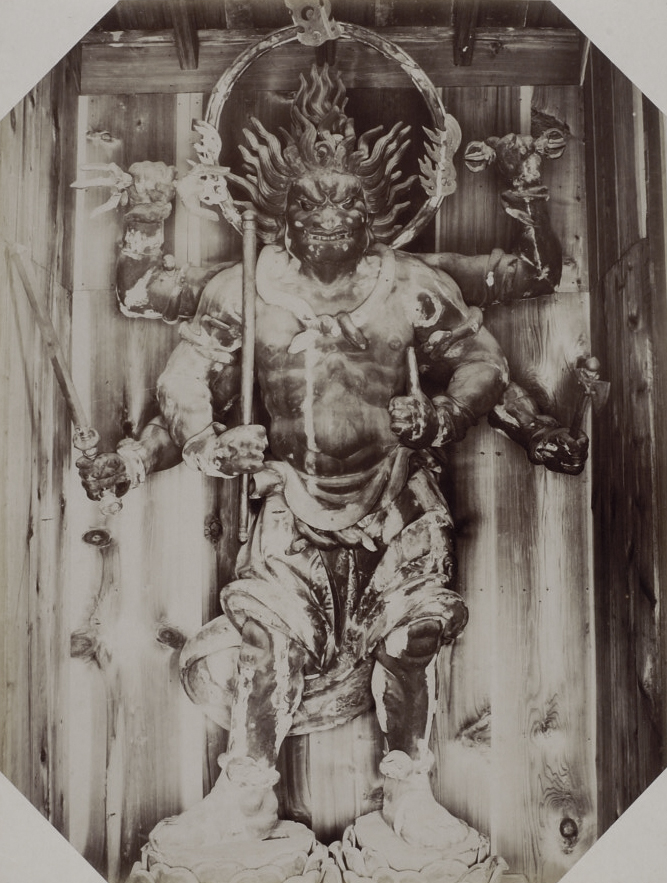 🇯🇵 JapanDaigensuihō大元帥法
An Esoteric Shingon Buddhist rite for military defense and cursing enemiesRite · Cursing and harm · Protection Historical
Photo credits on this page
The small pictures above come from Wikimedia Commons under free licences. Some are cropped to fit.
- Ordeal of the bitter water: Charadron, CC BY-SA 4.0, source
- Tengu: Katsushika Hokusai, Public domain, source
- Freyja: John Bauer, Public domain, source
- Umayyad tradition of cursing Ali: Anwar Rizvi, CC BY 2.0, source
- Black Mass: Unknown XIXe s, Public domain, source
- Daigensuihō: Kamakura-period artist; photo by Kudo Risaburo (工藤利三郎), Public domain, source
- Execration texts: Naunakhte, CC BY-SA 3.0, source
- Loudun possessions: Unknown author, Public domain, source
- Child sacrifice: Julius Schnorr von Carolsfeld, Public domain, source