🇷🇴 Magic in Romania
47 entries from Romania, best known first, across 13 places of magic.
Romanian folklore blends ancient earth myths with Christian eschatology, shaped by a rural tradition that values oral poetry and seasonal rites. It exists alongside official religion as a parallel system of belief about the world's origin, death, and natural forces.
- Dyed eggshells are sent downstream to feed the Blajini living under the earth
- Călușari dancers perform complex rituals recognized by UNESCO as intangible heritage
- God and the Devil are depicted as master and servant in creation myths
- Rain is summoned through the Paparuda ritual involving masked participants
- Easter of the Blajini honors souls trapped between heaven and hell
Overview
The magical worldview in Romania rests on a dual cosmology where God and the Devil interact as creator and thwarter. Stories describe the Earth forming from clay brought from a primordial ocean, while mountains rise from the ground’s reaction to divine commands. This folk theology coexists with Orthodox Christianity, often blending saints with older spirits. The culture places high value on oral traditions like ballads and songs, which preserve these beliefs. Neighboring Slavic and Balkan cultures share similar creation myths and end-times imagery, suggesting a regional network of shared supernatural ideas.
Practices and beliefs
Divination and protection charms are woven into daily life through seasonal customs. Dyed eggs are sent downstream to reach the Blajini, invisible beings living beneath the earth. Rain is summoned through rituals like Paparuda, involving masked figures and symbolic water offerings. Witches, or sorciere, appear in tales as powerful figures who can influence fate. Protective amulets and specific embroidery patterns on clothing are believed to ward off evil. The Călușari dancers perform complex movements said to possess healing or protective powers against malevolent forces.
Rites and charms
Key ceremonies mark the passage of time and the boundary between the living and the dead. Easter of the Blajini involves leaving dyed eggshells for souls trapped underground. Christmas carols, known as colinde, are sung door-to-door to bless homes and ensure prosperity. New Year’s Eve features the Sorcova ritual, where a decorated branch is tapped on people to wish them health. Winter masked plays featuring a bear or goat reenact ancient fertility rites. Funerals include meals left at graves to nourish the deceased, acknowledging their continued presence in the community’s spiritual landscape.
Who practises
Folk healers and diviners operate within the village structure, often respected for their knowledge of herbs and prayers. The Călușari are specialized groups of men who undergo rigorous training to perform protective dances. Witches are viewed with ambivalence; some are feared as agents of harm, others respected for their power. Ethnographers and poets have historically collected these stories, preserving the voices of rural elders. Priests may incorporate folk elements into blessings, blurring the line between church doctrine and local custom.
Regions and communities
Beliefs vary significantly across Romania’s historical counties. Transylvania and Maramureș emphasize the Blajini and winter masked traditions. Banat and Bucovina focus heavily on soul customs and the journey of the dead after death. Mountainous areas preserve older pagan elements in their music and dance, while plains regions show stronger Slavic influences. Local variations in embroidery and costume also reflect distinct magical symbols associated with each area’s protective needs.
The calendar
The year is structured around festivals that align human activity with cosmic cycles. March marks spring renewal with Mărțișor tokens. Summer brings rain-making rituals during dry spells. Autumn focuses on harvest thanks and preparing for the cold. Winter solstice celebrations involve fire and light to combat darkness. Easter is the most critical period, bridging the resurrection of Christ with the appeasement of ancestral spirits. Each season demands specific rites to maintain balance between the human and supernatural worlds.
Law and the state
Traditional practices are generally tolerated as cultural heritage rather than prosecuted as witchcraft. The state supports preservation through museums and UNESCO recognition of intangible traditions. However, accusations of witchcraft can still cause social tension in rural communities. Church authorities sometimes view folk magic with suspicion, preferring strict adherence to Orthodox liturgy. There is no specific legislation banning folk beliefs, but public performance of certain rites may require permits if deemed disruptive.
Today
Folk magic persists in modified forms within modern Romanian society. Urban residents may participate in seasonal rituals for cultural identity rather than belief. Tourism promotes traditional dances and crafts, sometimes stripping them of their original spiritual context. Migration spreads Romanian magical traditions to diaspora communities abroad. Scholars continue to document fading practices before they disappear entirely.
The facts in this overview come from the Wikipedia article "Folklore of Romania", written by its contributors and used under the CC BY-SA 4.0 licence. EveryJaadu rewrote the text in its own words, with AI assistance, and compares every page with the article to make sure no passage is copied. It may be reused under the same CC BY-SA 4.0 licence with a link back.
 🇬🇧 United Kingdom and 7 moreSaint Andrew's Day
A Christian feast day marked by national holidays in Scotland and Romania, and folk divination across Europe.Rite · Seeing and foretelling · Luck and prosperity Living
 🇮🇷 Iran and 5 moreKnocking on wood
A gesture of tapping wood to ward off bad luck or prevent tempting fateBelief · Protection · Luck and prosperity Living
 🇬🇷 Greece and 5 moreCrossroads (folklore)
A junction between worlds where spirits are met and deals are madeBelief · Speaking with spirits and the dead · Cursing and harm Living
 🇧🇬 Bulgaria and 5 moreKukeriкукери
A costumed ritual in Bulgaria to chase away evil spirits and welcome springRite · Protection · Cursing and harm Living
 🇮🇳 India and 2 morePlanets in astrology
Seven celestial bodies used to map human character and destinyBelief · Power and authority · Luck and prosperity Living
🇫🇷 France and 4 moreRéveillon
A long Christmas or New Year's Eve dinner held to stay awake until morningTradition · Luck and prosperity · Wonder and entertainment Living
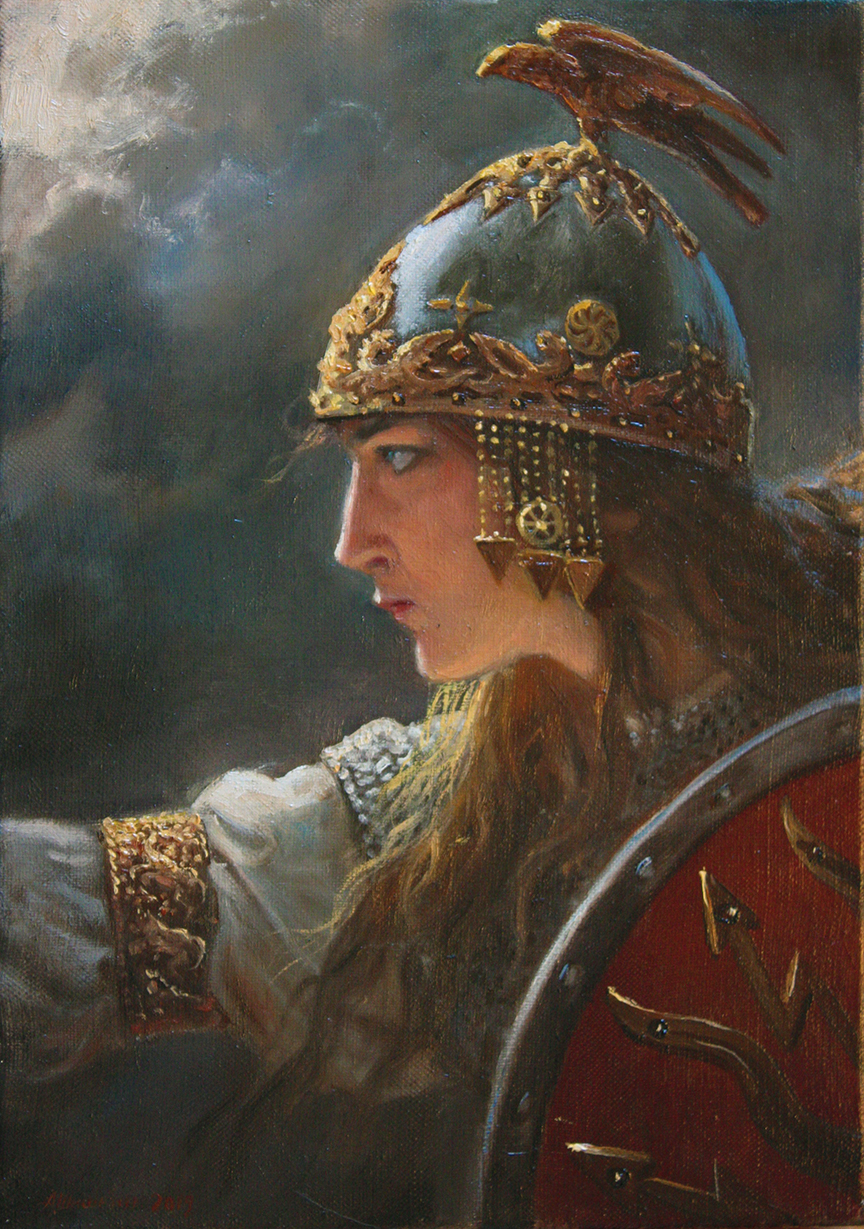 🇦🇱 Albania and 5 moreDodolaДодoла / Перперуна
A Balkan rainmaking rite performed by youths in greenery to invoke summer showersRite · Protection · Luck and prosperity Living
 🇷🇸 Serbia and 5 moreZduhaćздухаћ
A South Slavic belief in men who fight storms and hail to protect their cropsBeing · Protection · Cursing and harm Historical
🇷🇴 Romania and 2 moreSolomonariȘolomonar
A Romanian weather wizard who rides a dragon and controls the storms.Being · Cursing and harm · Luck and prosperity Legendary
 🇷🇴 Romania and 2 moreStrixστρίξ
A classical bird of ill omen that evolved into a term for witches and vampires across Europe.Being · Cursing and harm · Luck and prosperity Historical
 🇦🇱 Albania and 3 moreKulshedra
A multi-headed serpent demon in Albanian folklore that controls storms and droughts.Being · Cursing and harm · Luck and prosperity Legendary
🇷🇴 RomaniaZână
A Romanian woodland spirit linked to Diana that guides travelers and blesses children.Being · Protection · Luck and prosperity Legendary
 🇷🇴 Romania and 1 moreSânziană
Romanian fairies and a summer solstice festival of flowers and magicBeing · Protection · Love and attraction Living
🇷🇴 RomaniaSântoaderi
Supernatural beings in Romanian folklore known for causing illness through music and danceBeing · Cursing and harm · Luck and prosperity Legendary
🇷🇴 Romania and 5 moreMărțișor
A red and white string charm worn in early spring to welcome the seasonTradition · Protection · Luck and prosperity Living
 🇷🇴 Romania and 2 moreCaloian
A Romanian clay effigy ritual for rain and fertility, featuring a mock funeralRite · Luck and prosperity Fading
🇩🇪 Germany and 1 moreBuschgroßmutter
A German forest spirit who rewards grooming and punishes mockeryBeing · Cursing and harm · Luck and prosperity Legendary
🇷🇴 RomaniaVâlvă
A Romanian female spirit held to guard mines, water and hidden goldBeing · Protection · Luck and prosperity Legendary
Photo credits on this page
The small pictures above come from Wikimedia Commons under free licences. Some are cropped to fit.
- Saint Andrew's Day: Henryk Siemiradzki, Public domain, source
- Crossroads (folklore): MiddleOfAfrica, CC BY-SA 4.0, source
- Dodola: Andrey Shishkin, CC BY 3.0, source
- Sânziană: Saturnian, CC BY-SA 3.0, source
- Kulshedra: Bidgee, CC BY 3.0, source
- Kukeri: Nenko Lazarov, CC BY 2.5, source
- Strix: Prosthetic Head, CC BY-SA 4.0, source
- Zduhać: Bidgee, CC BY-SA 3.0, source
- Knocking on wood: The White House, Public domain, source
- Planets in astrology: Jan van Loon, Public domain, source
- Caloian: Costică Acsinte Archive, No restrictions, source
The weekly digest
Every Monday: seven entries you may not know, what is on the calendar this week, and one rite drawn step by step.