🇬🇪 Magic in Georgia
16 entries from Georgia, best known first, across 3 places of magic.
Georgian mythology blends indigenous Caucasian beliefs with Greek, Iranian, and Zoroastrian influences. After Christianization, pagan traditions survived in the mountains as organized cults, while lowland practices merged into folkloric customs.
- Kadagis entered trance to predict the future via possessed spirits
- Mesultanes communicated with the dead during lethargic states
- Dali protected wild animals and demanded hunter respect
- Batonebi caused childhood diseases requiring family appeasement
- Armazi was chief god of Iberia before Christianization
Overview
The belief system of the Kartvelian peoples evolved from the ancient kingdoms of Colchis and Iberia. It absorbed elements from Greek myths, Vainakh traditions, and Iranian religions, including Zoroastrianism. The conversion to Christianity was uneven. Lowlanders adopted the new faith early, leading to a blend of pagan and Christian folklore. Highlanders retained their original religion longer. Their mountain communities kept a structured pantheon and priestly class intact until the twentieth century. This dual history created distinct regional variations in how magic and divine forces were understood.
Practices and beliefs
People consulted oracles through trance states. The Kadagi, possessed by local spirits called Hat'i, predicted the future. Female Mesultanes entered lethargy to communicate with the dead. Charms and appeasements were common. Families offered food and gifts to Batonebi, spirits of disease, to cure children. Hunters respected Dali, the hunt goddess, by taking only needed game. Sacrifices were made to Ochopintre, a forest protector. These acts aimed to maintain balance between the human world and supernatural realms.
Rites and charms
Rituals involved entering altered states of consciousness. Kadagis underwent possession to channel divine messages. Mesultanes performed journeys to the spirit world during ceremonies. Offerings included sweets and presents placed under trees for sick children. Hunters followed strict rules set by Dali to avoid fatal consequences. Festivals marked agricultural cycles, such as those for Beri Bera. Temples housed images of deities like Bochi. These customs reinforced community bonds and respect for natural and spiritual laws.
Who practises
Kadagis served as shamanic intermediaries, chosen by spirit possession rather than training. They could be male or female. Mesultanes were exclusively female, sometimes young girls with the gift of spirit travel. Priests maintained oral traditions in mountain regions. Hunters respected Dali’s authority over wildlife. Community members appeased Batonebi through family rituals. These roles carried prestige and required adherence to sacred codes. Knowledge was often secret, passed down orally within specific lineages or groups.
Regions and communities
Mountain communities in Khevsureti and Svaneti preserved older pagan structures. They worshipped Dali and Mamber separately from lowland practices. Lowland Georgians integrated pagan figures into Christian frameworks. Elia replaced a thunder god, becoming linked to Elijah. Adgilis Deda merged with the Virgin Mary. Regional differences shaped which deities received worship. Coastal areas focused on Bochi, while highlands honored Apsat and Shavkhan. These variations reflected local ecology and historical isolation.
The calendar
Festivals aligned with agricultural seasons. Beri Bera’s celebration occurred at year’s end. Winter rites honored Michpa, patron of cattle. Spring and summer activities involved hunting and respecting Dali’s domain. Life events triggered ritual responses. Illness prompted offerings to Batonebi. Marriages and births likely involved protective charms, though details are sparse. The calendar balanced human needs with supernatural expectations, ensuring harmony between communities and the environment.
Law and the state
Christian authorities destroyed temples and built churches on pagan sites. Official Church efforts suppressed independent cults but failed to erase them entirely. Mountain regions resisted full conversion, preserving autonomy. Colonial or missionary labels did not significantly alter local practice descriptions. Modern legal status is not detailed in sources. Historical persecution focused on temple destruction rather than witch hunts. Surviving practices remained underground or syncretic.
Today
Pagan elements persist in Georgian folklore and cultural identity. Migration has spread these beliefs globally. Tourism may commercialize aspects of traditional festivals. Scholars study surviving oral traditions and archaeological sites. Appropriation risks exist as global interest grows. Revival movements emphasize cultural heritage over religious practice. Younger generations reconnect with ancestral stories through literature and media. The distinction between myth and living belief remains fluid.
The facts in this overview come from the Wikipedia article "Georgian mythology", written by its contributors and used under the CC BY-SA 4.0 licence. EveryJaadu rewrote the text in its own words, with AI assistance, and compares every page with the article to make sure no passage is copied. It may be reused under the same CC BY-SA 4.0 licence with a link back.
 🇪🇹 Ethiopia and 5 morePrester JohnPresbyter Ioannes
A legendary Christian king and priest said to rule a lost kingdom in the East.Figure · Power and authority Legendary
🇬🇧 United Kingdom and 3 moreFirst-footciad-chuairt
The first visitor on New Year's Day, believed to set the household's fortune for the year aheadTradition · Luck and prosperity Living
 🇬🇪 Georgia and 2 moreGeorgian mythologyქართული მითოლოგია
The pre-Christian beliefs of the Kartvelian peoples in the South CaucasusTradition · Protection · Seeing and foretelling Historical
 🇮🇪 Ireland and 4 moreFour-leaf clover
A rare plant mutation believed to bring good luck and used as a symbol of fortune.Charm · Luck and prosperity Living
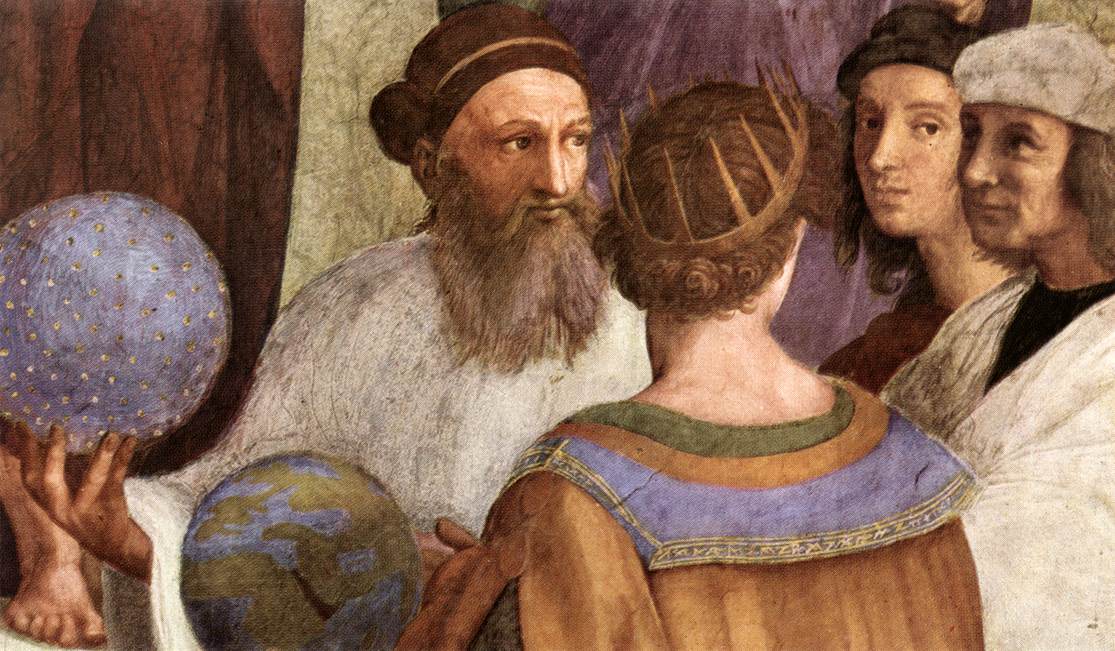 🇮🇷 Iran and 4 morePersian mythologyاسطورهشناسی ایرانی
Ancient Iranian myths of cosmic struggle between light and darknessBelief · Power and authority Historical
 🇬🇧 United Kingdom and 7 moreSaint Andrew's Day
A Christian feast day marked by national holidays in Scotland and Romania, and folk divination across Europe.Rite · Seeing and foretelling · Luck and prosperity Living
 🇺🇸 United States and 4 moreRainmaking
Efforts to induce rain through technology, ritual, or prayer.Tradition · Protection · Healing Living
 🇮🇷 Iran and 3 moreDaeva𐬛𐬀𐬉𐬎𐬎𐬀
A Zoroastrian entity that evolved from rejected gods to personifications of evil.Being · Cursing and harm · Power and authority Historical
 🇷🇸 Serbia and 5 moreWolves in folklore, religion and mythology
A global survey of how cultures view the wolf as symbol, spirit or threatBelief · Power and authority · Cursing and harm Historical
🇮🇪 Ireland and 5 moreFiddler's Green
A maritime afterlife of endless music and rest for veteran sailorsBelief · Wonder and entertainment Legendary
 🇯🇵 Japan and 5 moreSmallpox demon疱瘡神 (Hōsōgami)
A spirit blamed for smallpox in medieval Japan and the rituals used to appease itBeing · Protection · Cursing and harm Historical
Photo credits on this page
The small pictures above come from Wikimedia Commons under free licences. Some are cropped to fit.
- Wolves in folklore, religion and mythology: Unknown author, CC0, source
- Saint Andrew's Day: Henryk Siemiradzki, Public domain, source
- Four-leaf clover: Phyzome under the GFDL., CC BY-SA 3.0, source
- Rainmaking: George Catlin, Public domain, source
- Div: Unknown Calligrapher, Public domain, source
- Georgian mythology: Mostafameraji, CC BY-SA 4.0, source
- Smallpox demon: 佐賀県立図書館, CC0, source
- Prester John: Diogo Homem, Public domain, source
- Persian mythology: Raphael, Public domain, source
The weekly digest
Every Monday: seven entries you may not know, what is on the calendar this week, and one rite drawn step by step.