Everyday use: practices that mark them
Small habits kept at home: the horseshoe, the salt over the shoulder, the evil-eye bead.
Everyday magic is the small habits kept at home: the horseshoe, salt over the shoulder, knocking on wood, the evil-eye bead, a lucky number, a morning prayer, the red thread, a bowl of water at the door, a charm in the car. People keep them without making much of them. This page looks at what these habits are, why they last and where they fit alongside religion and science. It is the commonest magic of all.
What it looks like
Daily practice is ordinary. In India, a lemon and chillies hang at shops, and a rangoli drawn at a doorstep welcomes luck. In Turkey, a nazar hangs near the door. In Britain, people say touch wood. In Japan, a lucky cat sits in the shop window, and in Mexico an egg may be rolled over a child. Many of these customs use cheap, available things. Many habits are older than the people who keep them, and nobody can say who started them.
Why people keep them
Researchers describe such habits as low-cost ways to cope with uncertainty. They give a feeling of control, mark boundaries and bring people together at little risk. Studies of lucky charms show they can raise confidence. Most people hold small customs with a light touch, half serious and half playful, and would not say they believe in them. Practices come in several types: some are protective, some bring luck, some help the household keep track of time and weather, and some are no more than a habit of speech.
Names, religion and class
Customs are shared across religions with different explanations. The evil eye is feared by Muslims, Christians, Jews and Hindus in the Mediterranean and beyond. Religious reformers often attack such customs, and educated people sometimes mock them as rural. Women do most of the work of keeping them going, within the home. The home is also where these customs meet money, since shops sell everything needed, and some of the items on sale are made far from their cultural homes.
Shops and screens
Ordinary habits are now a market of charms, apps, horoscopes and online readers. Small purchases are harmless, but large payments for luck or protection are a warning sign of fraud. The customs also spread online, where they can lose their origin. Whether or not they work, they remain a way people say that they care about each other. In the end, the most common magic in the world is neither dramatic nor secret, and it is practised by people who have no wish to be called magicians.
Everyday use on EveryJaadu
The entries written up so far, best known first.
 🇺🇸 United StatesBaseball superstition
Rituals and beliefs held by players and fans to influence game outcomesBelief · Luck and prosperity · Protection Living
🇺🇸 United StatesBaseball superstition
Rituals and beliefs held by players and fans to influence game outcomesBelief · Luck and prosperity · Protection Living
 🇮🇱 Israel and 4 moreChaiחי
A Hebrew word and symbol meaning 'alive', used as an amulet and in Jewish culture.Charm · Protection · Luck and prosperity Living
🇮🇱 Israel and 4 moreChaiחי
A Hebrew word and symbol meaning 'alive', used as an amulet and in Jewish culture.Charm · Protection · Luck and prosperity Living
 🇫🇷 FrancePetit AlbertSecrets merveilleux de la magie naturelle et cabalistique du petit Albert
An 18th-century French grimoire of natural and cabalistic magic sold to rural householdsText · Protection · Luck and prosperity Historical
🇯🇲 Jamaica and 1 moreKromanti dance
A sacred Jamaican Maroon ceremony rooted in Asante traditions and ancestral possessionRite · Healing · Protection Living
🇫🇷 FrancePetit AlbertSecrets merveilleux de la magie naturelle et cabalistique du petit Albert
An 18th-century French grimoire of natural and cabalistic magic sold to rural householdsText · Protection · Luck and prosperity Historical
🇯🇲 Jamaica and 1 moreKromanti dance
A sacred Jamaican Maroon ceremony rooted in Asante traditions and ancestral possessionRite · Healing · Protection Living
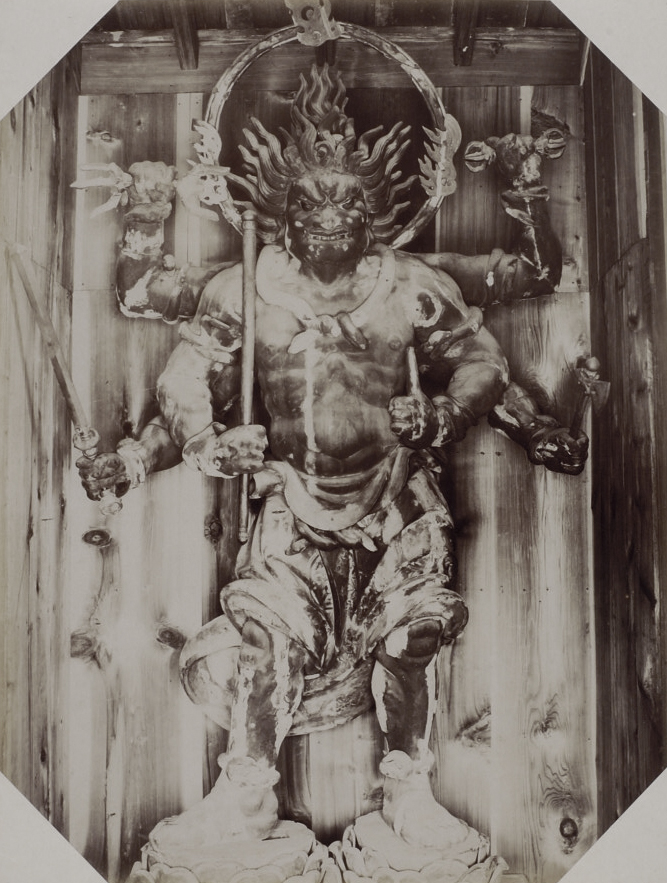 🇯🇵 JapanDaigensuihō大元帥法
An Esoteric Shingon Buddhist rite for military defense and cursing enemiesRite · Cursing and harm · Protection Historical
🇯🇵 JapanDaigensuihō大元帥法
An Esoteric Shingon Buddhist rite for military defense and cursing enemiesRite · Cursing and harm · Protection Historical
 🇫🇮 Finland and 2 moreTietäjä
A traditional Finnic healer and sage whose power came from memorised spells and deep knowledge.Figure · Healing · Protection Historical
🇷🇴 Romania and 5 moreMărțișor
A red and white string charm worn in early spring to welcome the seasonTradition · Protection · Luck and prosperity Living
🇫🇮 Finland and 2 moreTietäjä
A traditional Finnic healer and sage whose power came from memorised spells and deep knowledge.Figure · Healing · Protection Historical
🇷🇴 Romania and 5 moreMărțișor
A red and white string charm worn in early spring to welcome the seasonTradition · Protection · Luck and prosperity Living
 🇮🇷 Iran and 2 moreSuperstitions in Muslim societies
Beliefs in supernatural forces and charms found across the Islamic worldTradition · Protection · Healing Living
🇮🇷 Iran and 2 moreSuperstitions in Muslim societies
Beliefs in supernatural forces and charms found across the Islamic worldTradition · Protection · Healing Living
 🇩🇪 Germany and 3 moreDrude
A Germanic nightmare spirit and the pentagram charm used to keep it outBeing · Cursing and harm · Protection Historical
🇩🇪 Germany and 3 moreDrude
A Germanic nightmare spirit and the pentagram charm used to keep it outBeing · Cursing and harm · Protection Historical
 🇯🇵 JapanAmabieアマビエ
A prophetic sea creature from Japan that wards off disease with its imageFigure · Protection · Seeing and foretelling Legendary
🇯🇵 JapanAmabieアマビエ
A prophetic sea creature from Japan that wards off disease with its imageFigure · Protection · Seeing and foretelling Legendary
 🇮🇳 India and 1 moreVarahiवाराही (Vārāhī)
A Hindu mother goddess with a sow face, worshipped in Tantric rites for protection and powerBeing · Protection · Power and authority Living
🇮🇳 India and 1 moreVarahiवाराही (Vārāhī)
A Hindu mother goddess with a sow face, worshipped in Tantric rites for protection and powerBeing · Protection · Power and authority Living
 🇪🇬 Egypt and 5 moreWorship of heavenly bodies
Veneration of stars, planets, and the sky as divine forces or deitiesTradition · Protection · Power and authority Historical
🇪🇬 Egypt and 5 moreWorship of heavenly bodies
Veneration of stars, planets, and the sky as divine forces or deitiesTradition · Protection · Power and authority Historical
Photo credits on this page
The small pictures above come from Wikimedia Commons under free licences. Some are cropped to fit.
- Baseball superstition: Johnmaxmena2, CC BY 4.0, source
- Vahana: Unknown Nepali, Public domain, source
- Daigensuihō: Kamakura-period artist; photo by Kudo Risaburo (工藤利三郎), Public domain, source
- Tietäjä: Robert Wilhelm Ekman, Public domain, source
- Drude: Ramessos, Public domain, source
- Amabie: Unknown author, Public domain, source
- Chai: BASWIM, CC BY 3.0, source
- Petit Albert: Albertus Parvus Lucius, CC BY-SA 4.0, source
- Superstitions in Muslim societies: Unknown author, CC0, source
- Worship of heavenly bodies: Jean-Pierre Dalbéra, CC BY 2.0, source