Everyday use: practices that mark them
Small habits kept at home: the horseshoe, the salt over the shoulder, the evil-eye bead.
Everyday magic is the small habits kept at home: the horseshoe, salt over the shoulder, knocking on wood, the evil-eye bead, a lucky number, a morning prayer, the red thread, a bowl of water at the door, a charm in the car. People keep them without making much of them. This page looks at what these habits are, why they last and where they fit alongside religion and science. It is the commonest magic of all.
What it looks like
Daily practice is ordinary. In India, a lemon and chillies hang at shops, and a rangoli drawn at a doorstep welcomes luck. In Turkey, a nazar hangs near the door. In Britain, people say touch wood. In Japan, a lucky cat sits in the shop window, and in Mexico an egg may be rolled over a child. Many of these customs use cheap, available things. Many habits are older than the people who keep them, and nobody can say who started them.
Why people keep them
Researchers describe such habits as low-cost ways to cope with uncertainty. They give a feeling of control, mark boundaries and bring people together at little risk. Studies of lucky charms show they can raise confidence. Most people hold small customs with a light touch, half serious and half playful, and would not say they believe in them. Practices come in several types: some are protective, some bring luck, some help the household keep track of time and weather, and some are no more than a habit of speech.
Names, religion and class
Customs are shared across religions with different explanations. The evil eye is feared by Muslims, Christians, Jews and Hindus in the Mediterranean and beyond. Religious reformers often attack such customs, and educated people sometimes mock them as rural. Women do most of the work of keeping them going, within the home. The home is also where these customs meet money, since shops sell everything needed, and some of the items on sale are made far from their cultural homes.
Shops and screens
Ordinary habits are now a market of charms, apps, horoscopes and online readers. Small purchases are harmless, but large payments for luck or protection are a warning sign of fraud. The customs also spread online, where they can lose their origin. Whether or not they work, they remain a way people say that they care about each other. In the end, the most common magic in the world is neither dramatic nor secret, and it is practised by people who have no wish to be called magicians.
Everyday use on EveryJaadu
The entries written up so far, best known first.
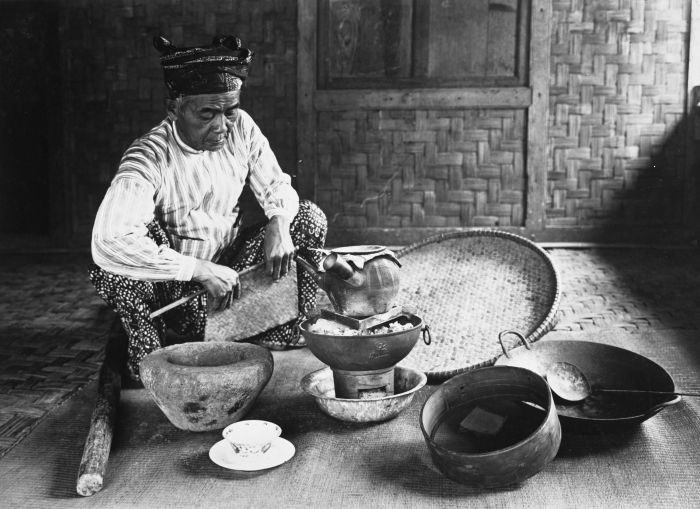 🇮🇩 Indonesia and 2 moreDukun
A traditional healer and spirit medium in Indonesian folk practiceTradition · Healing · Seeing and foretelling Living
🇧🇷 Brazil and 1 moreQuimbanda
An Afro-Brazilian religion focused on male and female street spirits for worldly mattersTradition · Protection · Luck and prosperity Living
🇮🇩 Indonesia and 2 moreDukun
A traditional healer and spirit medium in Indonesian folk practiceTradition · Healing · Seeing and foretelling Living
🇧🇷 Brazil and 1 moreQuimbanda
An Afro-Brazilian religion focused on male and female street spirits for worldly mattersTradition · Protection · Luck and prosperity Living
 🇮🇳 India and 1 moreNavagrahaनवग्रह
A group of nine celestial deities in Hinduism that govern fate and astrologyTradition · Protection · Luck and prosperity Living
🇮🇳 India and 1 moreNavagrahaनवग्रह
A group of nine celestial deities in Hinduism that govern fate and astrologyTradition · Protection · Luck and prosperity Living
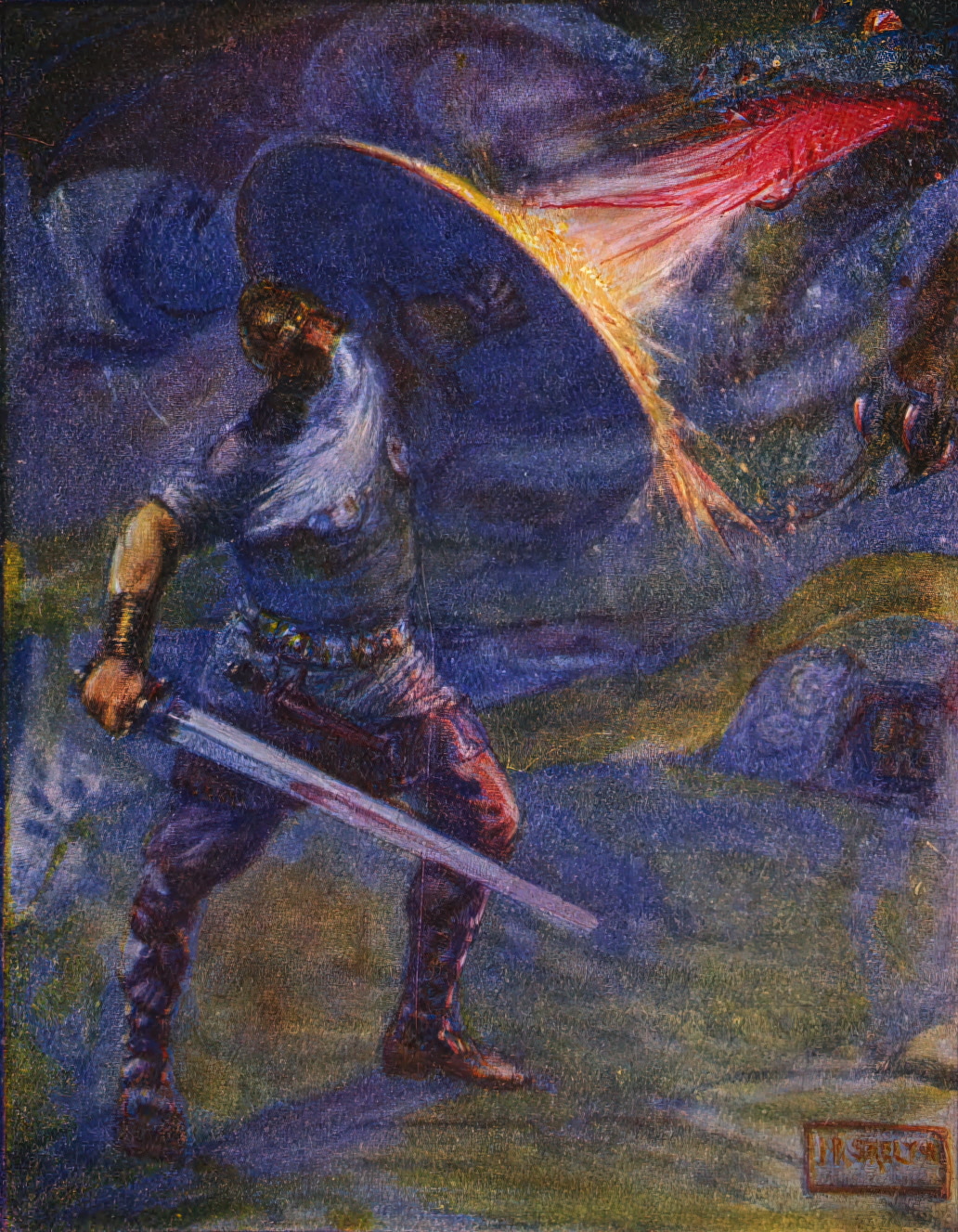 🇬🇧 United KingdomEnglish folklore
The myths, legends, and customs of England passed down through generations.Tradition · Protection · Cursing and harm Living
🇬🇧 United KingdomEnglish folklore
The myths, legends, and customs of England passed down through generations.Tradition · Protection · Cursing and harm Living
 🇨🇺 Cuba and 5 morePalo
An Afro-Cuban religion centered on spirit vessels and ancestral powerTradition · Healing · Cursing and harm Living
🇨🇺 Cuba and 5 morePalo
An Afro-Cuban religion centered on spirit vessels and ancestral powerTradition · Healing · Cursing and harm Living
 🇬🇷 Greece and 5 moreCrossroads (folklore)
A junction between worlds where spirits are met and deals are madeBelief · Speaking with spirits and the dead · Cursing and harm Living
🇬🇷 Greece and 5 moreCrossroads (folklore)
A junction between worlds where spirits are met and deals are madeBelief · Speaking with spirits and the dead · Cursing and harm Living
 🇳🇬 Nigeria and 4 moreJuju
A West African spiritual belief system involving charms and ritualsTradition · Healing · Luck and prosperity Living
🇳🇬 Nigeria and 4 moreJuju
A West African spiritual belief system involving charms and ritualsTradition · Healing · Luck and prosperity Living
 🇩🇪 Germany and 5 moreStraw bearStrohbär
A carnival figure wrapped in straw that visits homes for gifts and marks the turning of seasons.Tradition · Luck and prosperity · Cursing and harm Living
🇩🇪 Germany and 5 moreStraw bearStrohbär
A carnival figure wrapped in straw that visits homes for gifts and marks the turning of seasons.Tradition · Luck and prosperity · Cursing and harm Living
Photo credits on this page
The small pictures above come from Wikimedia Commons under free licences. Some are cropped to fit.
- Dukun: Unknown author, CC BY-SA 3.0, source
- Navagraha: Kiran891, CC BY-SA 4.0, source
- English folklore: J. R. Skelton, Public domain, source
- Palo: Burkhard Mücke, CC BY-SA 4.0, source
- Crossroads (folklore): MiddleOfAfrica, CC BY-SA 4.0, source
- Juju: ILN Staff, after special artist correspondent Mr Harries F.R.G.S., Public domain, source
- Straw bear: Photo: Andreas Praefcke, CC BY 3.0, source