Mungoon-Gali
In its own language: mangun.gaali
from Yuwaalaraay mangun.gaali, meaning lace monitor
A giant goanna from Australian Aboriginal folklore who lost his venom to a black snake
Mungoon-Gali is a fearsome giant goanna in Yuwaalaraay mythology. Stories explain how snakes gained their venom while lizards lost theirs, and how the Murrumbidgee River was formed during a great drought.
- Mungoon-Gali is a giant goanna from Yuwaalaraay folklore
- A black snake stole his poison bag, giving snakes venom
- His wife's husband used a yam stick to form the Murrumbidgee River
- The name means lace monitor in Yuwaalaraay
- Documented by Percy Trezise in 1991
What it is
Mungoon-Gali is a legendary giant goanna from Yuwaalaraay folklore. He is described as a ferocious creature with a voracious appetite and a deadly bite that once terrorised local tribes. The name translates to lace monitor in the Yuwaalaraay language. These stories serve as etiological myths, explaining natural phenomena such as animal traits and geographical features through the actions of powerful ancestral beings.
Where it comes from
The figure originates from the oral traditions of the Yuwaalaraay people in Australia. One narrative explains the biological shift between reptiles: lizards were once venomous, but the black snake Ouyouboolooey stole the poison bag from Mungoon-Gali. By fleeing with the bag, the snake retained the venom, leaving lizards harmless. This tale accounts for the current state of reptile biology in the region.
Tools and materials
In one account, the duck Kubbitha uses a yam stick, also known as a digging stick. She drives this tool into the heart of a mountain at the direction of a mountain spirit. This action releases a great stream of water, ending a severe drought and creating the Murrumbidgee River.
Mungoon-Gali, drawn and placed
- Living
- Revived
- Fading
- Historical
- Legendary
- Performed
- Lineage
- Australian Aboriginal mythology
Peoples and places
The stories are specific to the Yuwaaraalay people of the Riverina region in Australia. Mungoon-Gali represents a time when animals possessed different abilities and forms. His tribe of giant goannas hoarded water during a drought, contrasting with other animals who suffered. The narratives highlight interactions between humans, animals, and spirits within this specific cultural landscape.
At a glance: who, where and when
Peoples
What people believe
The mythology holds that physical traits and landscapes are shaped by ancient events. Venom was not always exclusive to snakes; it was transferred from a giant lizard to a black snake through deception. Similarly, rivers are formed by the deliberate actions of beings using tools. Spirits, such as the mountain spirit, guide key figures to alter the environment.
How scholars and sceptics see it
Percy Trezise documented the story in 1991 in 'Mungoon-Gali, the Giant Goanna'. Scholars view these tales as part of Australian Aboriginal mythology, preserving knowledge about the land and its creatures. The texts link linguistic terms like mangun.gaali to the mythical figure, grounding the legend in the living language.
Compare and confuse
Mungoon-Gali is similar to Whowie, another fearsome creature from Australian Aboriginal mythology. Whowie is described as a giant six-legged goanna. Both figures represent powerful, dangerous reptilian beings from the same broader mythological tradition.
Questions people ask about Mungoon-Gali
What is Mungoon-Gali?
Mungoon-Gali is a giant goanna from Yuwaalaraay Aboriginal mythology. He is a legendary figure known for his venomous bite and large size.
Where does the name come from?
The name comes from the Yuwaalaraay word mangun.gaali, which refers to the lace monitor. It is also transcribed as Mungoongarlee.
Why do snakes have venom but lizards do not?
Folklore says a black snake named Ouyouboolooey stole the poison bag from Mungoon-Gali. The snake kept the venom, while the goanna lost it.
How was the Murrumbidgee River formed?
During a drought, a duck named Kubbitha struck a mountain with her yam stick. Water poured out, creating the river and ending the dry spell.
Good reading and sources
The facts on this page come from the Wikipedia article "Mungoon-Gali", written by its contributors and used under the CC BY-SA 4.0 licence, and from its Wikidata record (CC0). EveryJaadu rewrote the text in its own words, with AI assistance, and compares every page with the article to make sure no passage is copied. It may be reused under the same CC BY-SA 4.0 licence with a link back.
It may contain mistakes. Names and customs differ from one community to the next, and some knowledge is closed to outsiders and left out here. This page describes belief and practice. It does not say that any of it works, it is not a how-to, and it is not medical advice. If something is wrong, tell us. Last refreshed 2026-10-07.
More from Australia
All the entries from Australia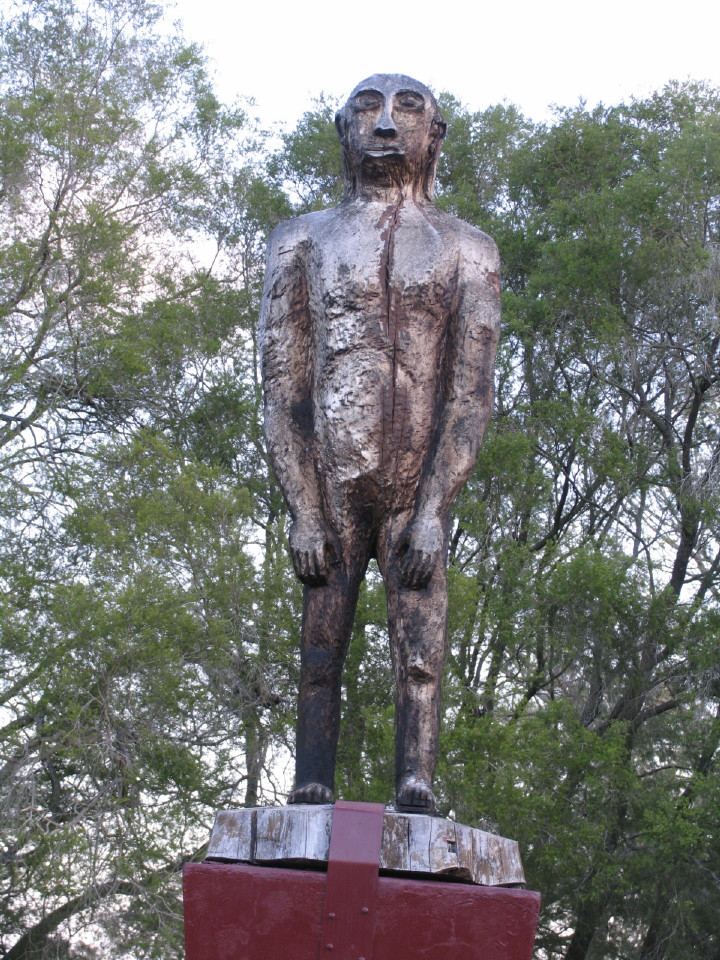 🇦🇺 AustraliaYowie
A hairy, bipedal creature of Australian folklore and cryptozoologyFigure · Wonder and entertainment Legendary
🇦🇺 AustraliaMokoi
An evil spirit in Yolngu mythology that kills sorcerers and kidnaps childrenBeing · Cursing and harm Legendary
🇦🇺 AustraliaYowie
A hairy, bipedal creature of Australian folklore and cryptozoologyFigure · Wonder and entertainment Legendary
🇦🇺 AustraliaMokoi
An evil spirit in Yolngu mythology that kills sorcerers and kidnaps childrenBeing · Cursing and harm Legendary
 🇦🇺 Australia and 1 moreTattoo
A permanent mark made by placing pigment under the skin to form a design.Tradition · Protection · Power and authority Living
🇦🇺 Australia and 1 moreTattoo
A permanent mark made by placing pigment under the skin to form a design.Tradition · Protection · Power and authority Living
 🇦🇺 AustraliaRainbow Serpent
A creator spirit of water and land in Aboriginal Australian mythologyBeing · Healing · Cursing and harm Living
🇦🇺 AustraliaRainbow Serpent
A creator spirit of water and land in Aboriginal Australian mythologyBeing · Healing · Cursing and harm Living
Related elsewhere
All figure 🇷🇸 Serbia and 5 moreVampire
An undead creature from folklore that feeds on the blood or life force of the livingBeing · Cursing and harm · Luck and prosperity Legendary
🇷🇸 Serbia and 5 moreVampire
An undead creature from folklore that feeds on the blood or life force of the livingBeing · Cursing and harm · Luck and prosperity Legendary
 🇬🇧 United Kingdom and 2 moreKing ArthurBrenin Arthur
A legendary British king and folk hero of medieval literature and Welsh mythologyFigure · Power and authority · Wonder and entertainment Legendary
🇬🇧 United Kingdom and 2 moreKing ArthurBrenin Arthur
A legendary British king and folk hero of medieval literature and Welsh mythologyFigure · Power and authority · Wonder and entertainment Legendary
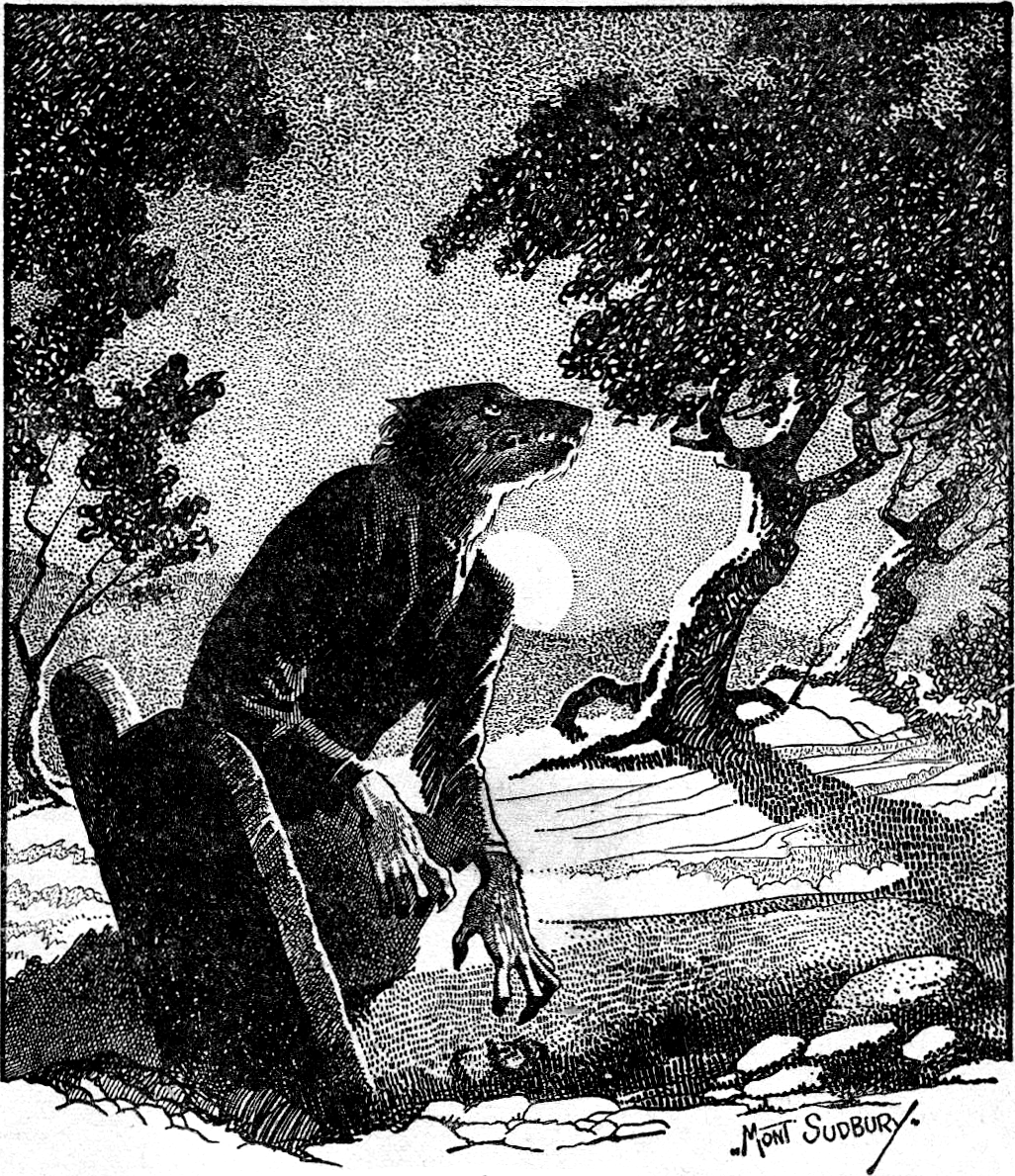 🇫🇷 France and 5 moreWerewolf
A mythical shapeshifter that turns into a wolf, central to European witch-hunts and Gothic horror.Being · Cursing and harm · Wonder and entertainment Legendary
🇫🇷 France and 5 moreWerewolf
A mythical shapeshifter that turns into a wolf, central to European witch-hunts and Gothic horror.Being · Cursing and harm · Wonder and entertainment Legendary
 🇪🇬 Egypt and 1 moreLilithלִילִית
A feminine figure from Mesopotamian and Jewish mythology, often depicted as a night demon or spirit.Being · Cursing and harm Legendary
🇪🇬 Egypt and 1 moreLilithלִילִית
A feminine figure from Mesopotamian and Jewish mythology, often depicted as a night demon or spirit.Being · Cursing and harm Legendary