Polka-dot paint is a fictional substance used in a classic fool's errand prank and as the basis for several stage magic tricks. It was also the subject of real commercial products in the mid-twentieth century that produced dotted effects.
- Paul Stadelman sued Harry Albacker over the magic trick in the 1950s.
- John C. Zola patented polychromatic paint in 1952 inspired by Georges Seurat.
- Sapolin Paints sold spray cans that created dots based on distance.
- Donald Duck painted stripes and dots from one bucket in 1942.
What it is
Polka-dot paint is a fictional material known primarily through two contexts: a traditional prank and a stage illusion. In folklore, it serves as the target of a fool's errand sent to apprentices in construction or decoration trades. In performance art, it refers to a magic trick where an object appears to be painted with dots using a single brush. The concept also existed in reality as a commercial paint product designed to create dotted finishes on surfaces.
Where it comes from
The term originates from a practical joke played on workers in the United States. Apprentices were sent to fetch a bucket of paint that does not exist. The magic trick version emerged in the mid-twentieth century. Paul Stadelman performed a notable variation where he claimed to mix stripes and dots, though he admitted to missing some dots. This specific routine led to legal disputes over ownership of the effect.
How it is done
Performers use pre-painted objects or chemical reactions to simulate the impossible paint. One common method involves painting an object with oil-based colors in a pattern, covering it with white watercolor or whitewash, and then wiping the top layer away with a wet brush to reveal the dots underneath. Another version uses invisible chemicals on the surface that change color when touched by a brush containing a reactive agent.
Tools and materials
Tricks rely on prepared surfaces and simple cleaning agents. Materials include oil-based paints for the base pattern, white watercolor or whitewash for the covering layer, and a wet brush for removal. Some variations utilize colorless chemicals that react with substances on the brush to produce visible colored dots upon application.
Polka-dot paint, drawn and placed
- Living
- Revived
- Fading
- Historical
- Legendary
- Performed
What it is for
The primary intent is entertainment and wonder. Magicians use the trick to demonstrate skill and misdirection. The prank version serves as a rite of passage or humiliation for new apprentices in trade crafts. Commercial versions were marketed to consumers seeking decorative finishes without manual effort.
Who does it
Stage magicians are the main practitioners of the illusion. Paul Stadelman was a key figure who popularized the act and litigated its use. Harry Albacker defended his use of similar methods by claiming the act was in the public domain. Other magicians accused Stadelman of stealing the idea from a 'Barber's pole paint' trick.
Peoples and places
The tradition is documented in the United States. The prank targets workers in decoration and construction trades. The commercial products were sold by American companies such as Maas & Walsdtein Co. and Sapolin Paints, Inc. in New York City.
At a glance: who, where and when
Who does it
What people believe
There is no spiritual belief attached to polka-dot paint. It is treated as a mechanical or chemical phenomenon. The magic trick relies on the audience's assumption that a single brush cannot produce multiple distinct patterns simultaneously.
Law and persecution
The magic trick became the subject of litigation in the 1950s. Paul Stadelman sued Harry Albacker for copying the routine. Albacker argued the act was old and in the public domain. Stadelman faced counter-claims that he had stolen the concept from another magician's 'Barber's pole paint' trick.
Today
The commercial products like Plextone and Zola's polychromatic paint are historical artifacts. The magic trick remains a known effect in the repertoire of illusionists. Digital software allows users to create polka-dot brushes for computer graphics. The prank persists as a cultural reference to foolish tasks.
Questions people ask about Polka-dot paint
What is polka-dot paint?
It is a fictional paint used in a traditional prank and a stage magic trick. Real commercial versions existed in the mid-twentieth century to create dotted patterns.
How is the magic trick performed?
Performers often pre-paint an object, cover it with white wash, and wipe it off with a wet brush to reveal the pattern. Some use chemical reactions to change colors on contact.
Where did the prank originate?
It is a fool's errand prank from the United States, where apprentices in construction or decoration trades are sent to fetch a bucket of non-existent paint.
Were there real products called polka-dot paint?
Yes. Products like Plextone and patents by John C. Zola created dotted effects using lacquer-based colorants or spray mechanisms.
Good reading and sources
The facts on this page come from the Wikipedia article "Polka-dot paint", written by its contributors and used under the CC BY-SA 4.0 licence, and from its Wikidata record (CC0). EveryJaadu rewrote the text in its own words, with AI assistance, and compares every page with the article to make sure no passage is copied. It may be reused under the same CC BY-SA 4.0 licence with a link back.
It may contain mistakes. Names and customs differ from one community to the next, and some knowledge is closed to outsiders and left out here. This page describes belief and practice. It does not say that any of it works, it is not a how-to, and it is not medical advice. If something is wrong, tell us. Last refreshed 2026-10-07.
More from the United States
All the entries from the United States 🇺🇸 United States and 1 moreCalifornian white sage
A California shrub used by Indigenous peoples for food, healing, and ritual cleansingSubstance · Protection · Healing Living
🇺🇸 United StatesPukwudgie
A short forest spirit from Algonquian lore, known for mischief and danger.Being · Cursing and harm · Luck and prosperity Legendary
🇺🇸 United StatesDeliverance ministry
A Christian practice to remove evil spirits believed to cause personal afflictionRite · Cursing and harm · Cleansing and purification Living
🇺🇸 United States and 1 moreHorace Goldin
A stage magician known for his fast style and the sawing illusion.Illusion · Wonder and entertainment Historical
🇺🇸 United States and 1 moreCalifornian white sage
A California shrub used by Indigenous peoples for food, healing, and ritual cleansingSubstance · Protection · Healing Living
🇺🇸 United StatesPukwudgie
A short forest spirit from Algonquian lore, known for mischief and danger.Being · Cursing and harm · Luck and prosperity Legendary
🇺🇸 United StatesDeliverance ministry
A Christian practice to remove evil spirits believed to cause personal afflictionRite · Cursing and harm · Cleansing and purification Living
🇺🇸 United States and 1 moreHorace Goldin
A stage magician known for his fast style and the sawing illusion.Illusion · Wonder and entertainment Historical
Related elsewhere
All substance 🇬🇧 United Kingdom and 2 moreKing ArthurBrenin Arthur
A legendary British king and folk hero of medieval literature and Welsh mythologyFigure · Power and authority · Wonder and entertainment Legendary
🇬🇧 United Kingdom and 2 moreKing ArthurBrenin Arthur
A legendary British king and folk hero of medieval literature and Welsh mythologyFigure · Power and authority · Wonder and entertainment Legendary
 🇪🇬 Egypt and 1 moreSphinx
A mythical hybrid with a human head and lion body, serving as guardian or riddler in Egyptian and Greek traditions.Being · Protection · Wonder and entertainment Legendary
🇪🇬 Egypt and 1 moreSphinx
A mythical hybrid with a human head and lion body, serving as guardian or riddler in Egyptian and Greek traditions.Being · Protection · Wonder and entertainment Legendary
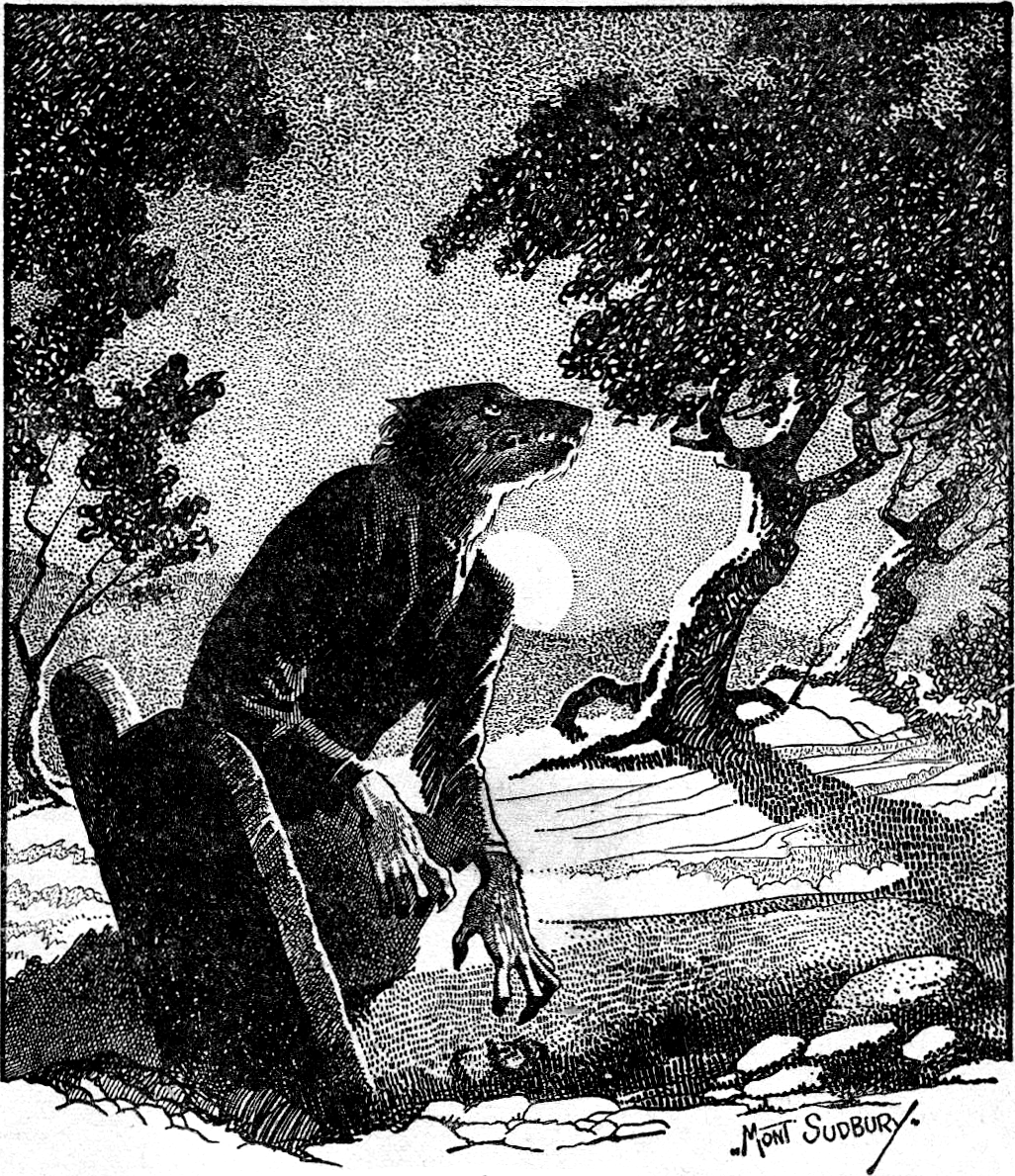 🇫🇷 France and 5 moreWerewolf
A mythical shapeshifter that turns into a wolf, central to European witch-hunts and Gothic horror.Being · Cursing and harm · Wonder and entertainment Legendary
🇫🇷 France and 5 moreWerewolf
A mythical shapeshifter that turns into a wolf, central to European witch-hunts and Gothic horror.Being · Cursing and harm · Wonder and entertainment Legendary
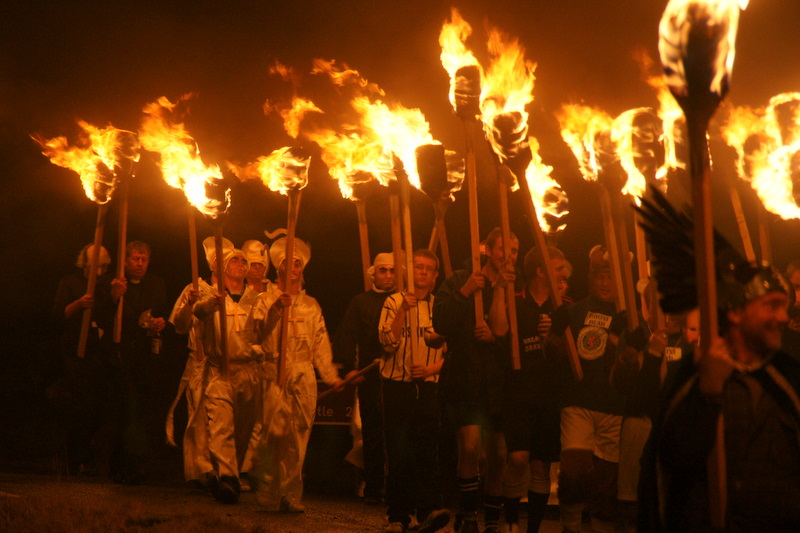 🇬🇧 United KingdomUp Helly Aa
A Shetland fire festival marking the end of Yule with a torchlit procession and burning of a Viking galleyRite · Wonder and entertainment Living
🇬🇧 United KingdomUp Helly Aa
A Shetland fire festival marking the end of Yule with a torchlit procession and burning of a Viking galleyRite · Wonder and entertainment Living