
The Panama Creature is a viral internet story from September 2009 about a strange animal corpse found near Cerro Azul. It was initially believed to be an unknown species or alien, but officials identified it as a brown-throated sloth.
- Found near Cerro Azul in September 2009
- Identified as a male brown-throated sloth
- Hairlessness caused by underwater decomposition
- Killed by teenagers who feared for their safety
- Compared to the Montauk Monster and E.T.
What it is
The Panama Creature refers to a viral media event involving the photograph of a decaying animal carcass. Found in September 2009 near the town of Cerro Azul, the body sparked immediate online speculation. The creature appeared pale and hairless with a rubbery texture. Its unusual features led many to believe it was a new species or an extraterrestrial being. The image circulated widely across the internet and television networks. Comparisons were frequently drawn to other mysterious finds like the Montauk Monster. Despite the initial excitement, scientific analysis quickly resolved the mystery. The creature was identified as a common local animal that had undergone severe decomposition.
Where it comes from
The story began when teenagers claimed to encounter the animal near a cave. They reported attacking it with sticks and rocks before throwing the body into water. Photographs were sent to a local television station, Telemetro. The images showed a distorted corpse that looked unlike any known mammal. Some later photos suggested further decay, though their authenticity was questioned. One teen later gave a conflicting account, claiming he felt something grab his legs in the river. The narrative gained traction through cryptozoology blogs and social media. The combination of fear, curiosity, and the strange visual evidence fueled the legend.
How it is done
No ritual or method was involved, as this was a natural occurrence misinterpreted by witnesses. Teenagers reportedly killed the animal out of fear during a chance encounter. They then photographed the remains and shared them with media outlets. The spread of the story relied on digital sharing and news coverage. There were no ceremonial practices or magical rites associated with the find. The entire episode was driven by panic and subsequent internet fame. The investigation was purely scientific, conducted by government authorities.
Tools and materials
The primary tool used was a camera, which captured the controversial images. These photographs became the central evidence for the myth. A biopsy kit was used by officials to analyze tissue samples. The tools of the internet, such as video platforms and blogs, amplified the story. No magical items or traditional charms were present. The physical appearance of the carcass itself acted as the main subject of study.
Panama Creature, drawn and placed
- Living
- Revived
- Fading
- Historical
- Legendary
- Performed
What it is for
There was no intended purpose, as the event was accidental. However, the public treated it as a discovery of the unknown. People sought to identify the creature using available knowledge. The fascination stemmed from a desire to find something extraordinary. Cryptozoologists viewed it as potential proof of hidden species. The media used it to generate viewership and engagement. Ultimately, the purpose shifted from identification to debunking once science intervened.
Who does it
The initial practitioners were local teenagers who encountered the animal. They acted out of fear rather than intent. Professional veterinarians and zoologists later examined the remains. Officials from the National Environmental Authority of Panama conducted the necropsy. Their role was to provide factual clarity to the public. Scholars and writers analyzed the phenomenon from a distance. No specialized magical training was required for any participant.
Peoples and places
The event is specific to Panama, particularly the region around Cerro Azul. Local residents and national media were the first to react. International audiences engaged with the story through online platforms. Zoologists from Brazil also offered expert opinions on the decomposition process. The Panamanian public largely accepted the official explanation after the autopsy. The global community participated in the speculation phase. Cultural interest in cryptids made the story resonate beyond its borders.
What people believe
Belief in the creature's supernatural nature was widespread initially. Many assumed it was an alien or a genetic mutation. The lack of hair and strange limbs supported these theories. Some believed it was a fetus of an unknown species. The idea of underwater preservation creating false life signs was proposed. Skeptics pointed to the similarities with known decomposing animals. The belief system was temporary and collapsed under scientific scrutiny. It highlights how fear can distort perception of natural events.
When it is done
The event occurred in September 2009. It did not align with any specific festival or religious calendar. The timing was coincidental, driven by the teenagers' activities. The viral spread happened over several days following the discovery. There were no seasonal rituals associated with the find. The timeline was defined by the rapid pace of internet news cycles.
How scholars and sceptics see it
Scientists quickly dismissed the supernatural claims. André Sena Maia explained that underwater decomposition mimics life. He noted that currents can make a dead body appear alive. Experts confirmed that fur loss is common in submerged carcasses. Post-mortem bloating altered the shape of the sloth. Researchers compared it to similar cases in Costa Rica. The consensus was that natural processes created the illusion. The case serves as an example of modern cryptozoology errors.
Cautions and what is closed
The teenagers inflicted severe trauma on the animal. This act was based on panic rather than malice. No one was physically harmed during the incident. The story illustrates the dangers of misidentifying wildlife. Fear can lead to unnecessary violence against animals. The viral nature of the story caused misinformation. Authorities emphasized the importance of scientific verification. The incident serves as a cautionary tale about internet rumors.
Compare and confuse
The Panama Creature is often compared to the Montauk Monster. Both were decaying animals mistaken for cryptids. Similar cases involve hairless sloths found in Central America. The Globster category includes other unidentified marine remains. Unlike mythical beasts, these are real animals in decay. The confusion arises from the effects of decomposition. Each case shares a pattern of initial hype followed by scientific resolution.
Questions people ask about Panama Creature
What was the Panama Creature?
It was a viral story about a strange carcass found in Panama in 2009. It was later identified as a brown-throated sloth that had decomposed in water.
Why did it look so strange?
The creature lost its hair due to being submerged in water. Bloating from decomposition also changed its shape, making it look alien.
Who found the Panama Creature?
Teenagers near Cerro Azul claimed to kill it after a frightening encounter. They sent photos to a local TV station, sparking the internet rumor.
Was it really an alien?
No. Scientists performed a biopsy and confirmed it was a common sloth. The strange appearance was purely a result of natural decay processes.
Good reading and sources
The facts on this page come from the Wikipedia article "Panama Creature", written by its contributors and used under the CC BY-SA 4.0 licence, and from its Wikidata record (CC0). EveryJaadu rewrote the text in its own words, with AI assistance, and compares every page with the article to make sure no passage is copied. It may be reused under the same CC BY-SA 4.0 licence with a link back.
It may contain mistakes. Names and customs differ from one community to the next, and some knowledge is closed to outsiders and left out here. This page describes belief and practice. It does not say that any of it works, it is not a how-to, and it is not medical advice. If something is wrong, tell us. Last refreshed 2026-10-07.
More from Panama
All the entries from Panama 🇲🇽 Mexico and 5 moreLa Llorona
A vengeful ghost in Hispanic American folklore who mourns drowned children near water.Figure · Cursing and harm Living
🇲🇽 Mexico and 5 moreLa Llorona
A vengeful ghost in Hispanic American folklore who mourns drowned children near water.Figure · Cursing and harm Living
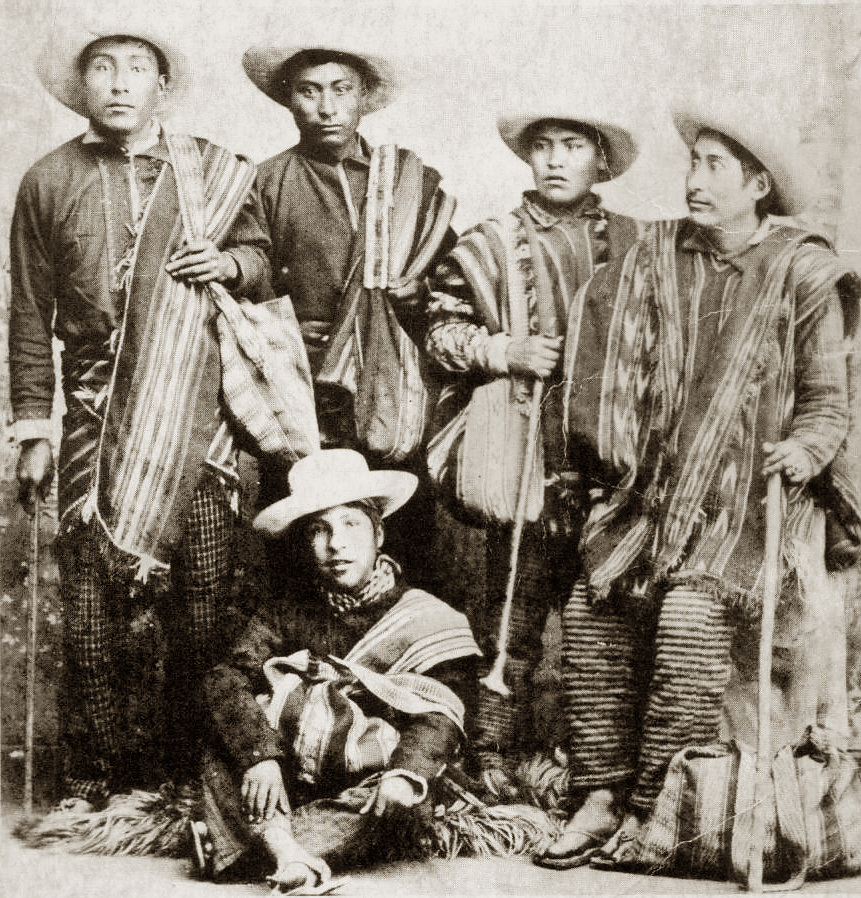 🇧🇴 Bolivia and 5 moreKallawaya
An itinerant group of traditional Andean healers known for their medicinal plant knowledge and ritual practicesTradition · Healing · Protection Living
🇧🇴 Bolivia and 5 moreKallawaya
An itinerant group of traditional Andean healers known for their medicinal plant knowledge and ritual practicesTradition · Healing · Protection Living
Related elsewhere
All being 🇷🇸 Serbia and 5 moreVampire
An undead creature from folklore that feeds on the blood or life force of the livingBeing · Cursing and harm · Luck and prosperity Legendary
🇷🇸 Serbia and 5 moreVampire
An undead creature from folklore that feeds on the blood or life force of the livingBeing · Cursing and harm · Luck and prosperity Legendary
 🇪🇬 Egypt and 1 moreSphinx
A mythical hybrid with a human head and lion body, serving as guardian or riddler in Egyptian and Greek traditions.Being · Protection · Wonder and entertainment Legendary
🇪🇬 Egypt and 1 moreSphinx
A mythical hybrid with a human head and lion body, serving as guardian or riddler in Egyptian and Greek traditions.Being · Protection · Wonder and entertainment Legendary
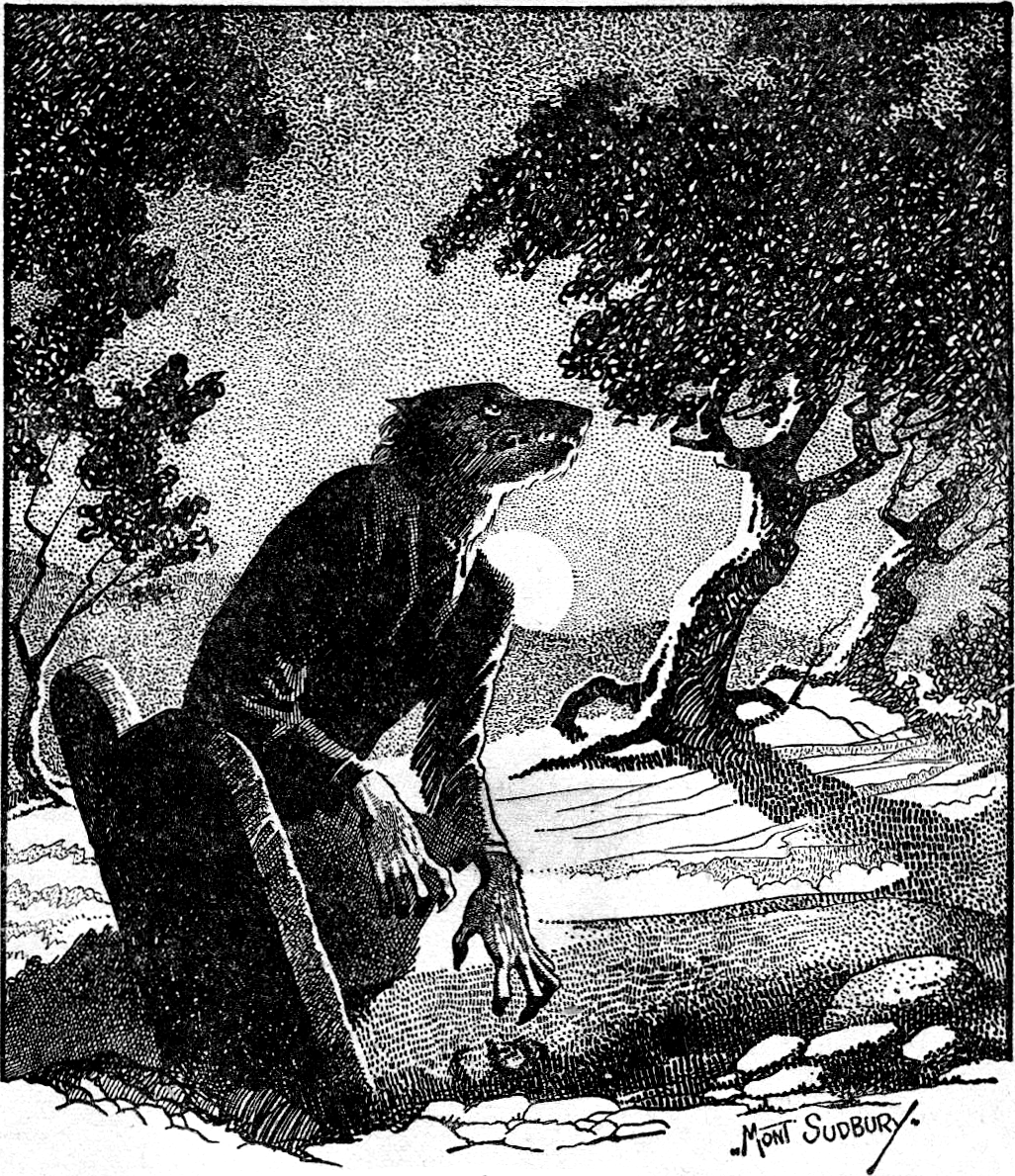 🇫🇷 France and 5 moreWerewolf
A mythical shapeshifter that turns into a wolf, central to European witch-hunts and Gothic horror.Being · Cursing and harm · Wonder and entertainment Legendary
🇫🇷 France and 5 moreWerewolf
A mythical shapeshifter that turns into a wolf, central to European witch-hunts and Gothic horror.Being · Cursing and harm · Wonder and entertainment Legendary
 🇪🇬 Egypt and 1 moreLilithלִילִית
A feminine figure from Mesopotamian and Jewish mythology, often depicted as a night demon or spirit.Being · Cursing and harm Legendary
🇪🇬 Egypt and 1 moreLilithלִילִית
A feminine figure from Mesopotamian and Jewish mythology, often depicted as a night demon or spirit.Being · Cursing and harm Legendary