
The Page of Swords is a court card of the sword suit in Latin-suited playing cards, a family of decks that includes tarot; it is also called the jack or knave of swords. Europeans play card games with it, while English-speaking tarot readers use it for divination, reading it as curiosity and energy or as gossip and mischief.
- Also called the jack or knave of swords in Latin-suited decks
- Counted among the Minor Arcana of the tarot pack
- Played in Europe for card games; used for divination in English-speaking countries
- Shows a young man with sword raised and head turned against the wind
- Alternative readings include gossip, mischief, malice and a ruined reputation
What it is
The Page of Swords is one of the court cards of the sword suit in Latin-suited packs, the family of decks that includes tarot. Depending on the pack it is labelled page, jack or knave, and tarot readers count it among the Minor Arcana. The picture shows a young man with his sword lifted, head turned away from the direction he travels, hair blown by the wind under heavy clouds. In one sense the card is a simple game piece: across much of Europe such packs are dealt for tarot card games. In English-speaking countries, where those games never became familiar, the same cards are used chiefly for fortune-telling.
Where it comes from
The card belongs to the Latin-suited family of playing cards, a grouping that takes in the Spanish and Italian deck patterns, and it appears in the suit of swords wherever that family is dealt. Within tarot it sits among the Minor Arcana. A split runs through its recorded use: across much of Europe, tarot decks stayed with their card games, while in English-speaking countries the games never became familiar and the decks came to be taken up chiefly for telling fortunes.
Tools and materials
The card speaks through its picture. The page faces forward and swings his sword the same way, yet turns his head back the other way, a pose taken for curiosity about the things around him rather than only the path ahead. He wears a light robe instead of heavy armor, so nothing weighs down his movement. A strong breeze lifts his hair, and clouds gather behind him, lending the scene a brisk, energetic feel. The sword itself marks the suit to which the card belongs.
Page of Swords, drawn and placed
- Living
- Revived
- Fading
- Historical
- Legendary
- Performed
- Lineage
- Latin-suited playing cards; the Minor Arcana of tarot
What it is for
In fortune-telling the card is drawn as a sign about the person or matter in hand. Readers give it a bright, active sense first: curiosity about the world beyond the obvious path, and the drive and energy that the wind and clouds of the picture suggest. A second, less friendly set of interpretations is also current, covering a mischievous character, malicious intent, a ruined reputation, a gossip or chatterbox, idleness, or someone who stirs up drama and rumour. Both families of meaning are listed for the card.
Who does it
Two kinds of people handle the card. In much of Europe it is dealt by card players, for whom tarot packs exist chiefly as game equipment. In English-speaking countries it is drawn by tarot readers, who lay out the pack and interpret the cards that fall; there, the games being largely unfamiliar, divination is the main use. The card is the same printed piece in both settings; only the use changes.
Peoples and places
The card travels with the Latin-suited family of decks, which takes in the Spanish and Italian patterns. Tarot as a whole is played across much of Europe, and English-speaking countries know the cards mainly through fortune-telling, the games never having become familiar there. The same card thus carries two lives: a jack on a game table, and an omen on a reader's.
At a glance: who, where and when
Who does it
Compare and confuse
One card, three names: page, jack and knave of swords all refer to the same figure. It belongs to the Latin-suited family of playing cards, which counts the Spanish and Italian deck patterns among its members, and within tarot it is grouped in the Minor Arcana.
Questions people ask about Page of Swords
What is the Page of Swords?
A court card from the suit of swords in Latin-suited playing card packs, which include tarot decks. It is also called the jack or knave of swords, and tarot readers count it among the Minor Arcana.
Where does the card come from and where is it used?
It belongs to the Latin-suited family of cards, a grouping that includes the Spanish and Italian deck patterns. It is played with across much of Europe, while English-speaking countries use the deck mainly for fortune-telling.
What does the card's picture show?
A young man holds a sword raised toward the sky while his head turns the other way, a pose read as curiosity about his surroundings. He wears a light robe rather than armor, and wind and clouds give the scene a strong sense of movement.
What does it mean in a reading?
Readers commonly take it for curiosity, watchfulness and energy. A second set of readings is less kind: a mischievous character, malicious intent, a ruined reputation, a gossip or chatterbox, idleness, or someone stirring up drama and rumour. These are interpretations readers give the card.
Is it only used for fortune-telling?
No. Across much of Europe tarot decks are used to play card games, and the page of swords is one of the cards dealt there. Fortune-telling dominates mainly in English-speaking countries, where the games never became familiar.
Good reading and sources
The facts on this page come from the Wikipedia article "Page of Swords", written by its contributors and used under the CC BY-SA 4.0 licence, and from its Wikidata record (CC0). EveryJaadu rewrote the text in its own words, with AI assistance, and compares every page with the article to make sure no passage is copied. It may be reused under the same CC BY-SA 4.0 licence with a link back.
It may contain mistakes. Names and customs differ from one community to the next, and some knowledge is closed to outsiders and left out here. This page describes belief and practice. It does not say that any of it works, it is not a how-to, and it is not medical advice. If something is wrong, tell us. Last refreshed 2026-10-17.
More from Spain
All the entries from Spain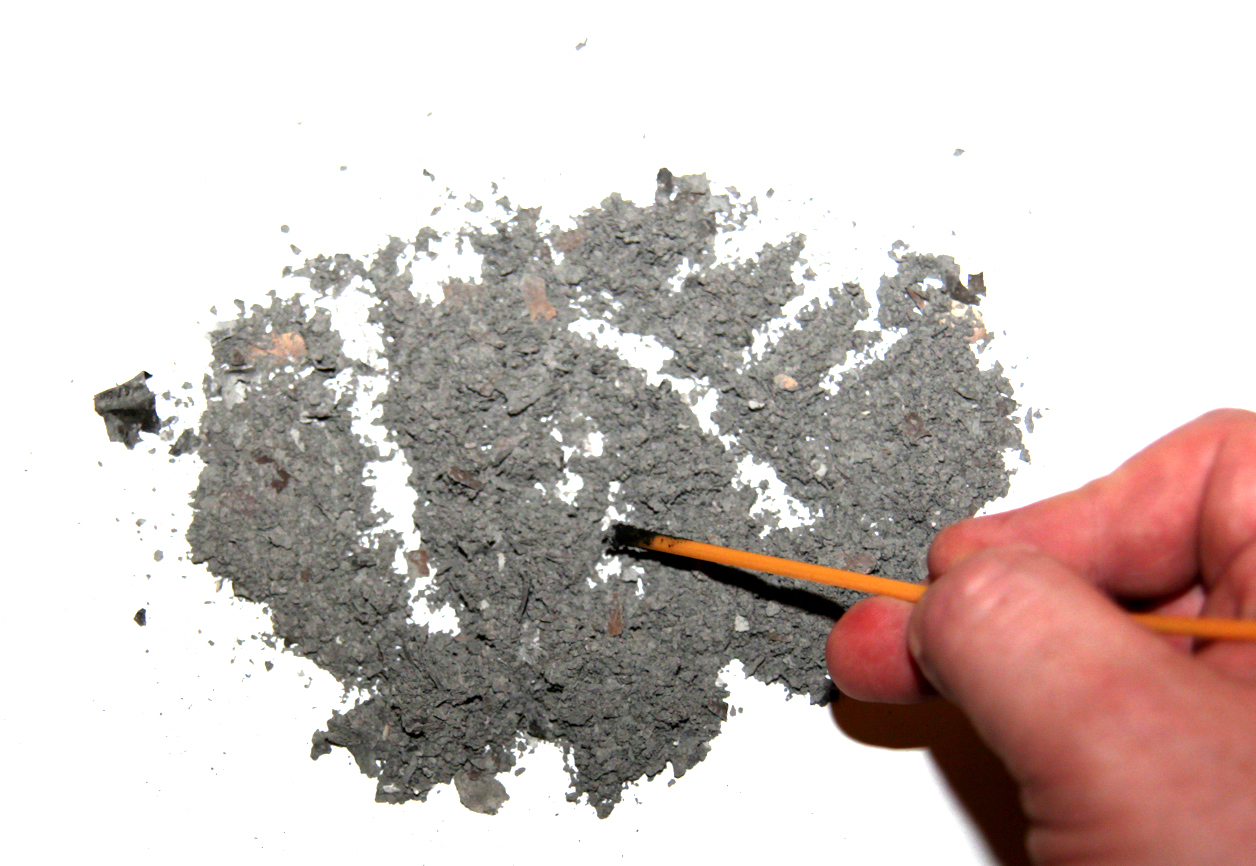 🇬🇷 Greece and 5 moreSpodomancy
Divination by reading omens in ashes, soot, and cindersOracle · Seeing and foretelling · Healing Living
🇬🇷 Greece and 5 moreSpodomancy
Divination by reading omens in ashes, soot, and cindersOracle · Seeing and foretelling · Healing Living
 🇪🇸 SpainFive of Cups
A tarot card of spilled cups, read as grief, regret and the hope left standing.Oracle · Seeing and foretelling Living
🇪🇸 SpainGeomantic figures
Sixteen four-line symbols used in geomancy to interpret questions through elemental and astrological correspondences.Oracle · Seeing and foretelling Historical
🇪🇸 SpainFive of Cups
A tarot card of spilled cups, read as grief, regret and the hope left standing.Oracle · Seeing and foretelling Living
🇪🇸 SpainGeomantic figures
Sixteen four-line symbols used in geomancy to interpret questions through elemental and astrological correspondences.Oracle · Seeing and foretelling Historical
 🇪🇸 SpainFive of Swords
A Minor Arcana tarot card read as conflict, defeat and victory that costs too muchOracle · Seeing and foretelling Living
🇪🇸 SpainFive of Swords
A Minor Arcana tarot card read as conflict, defeat and victory that costs too muchOracle · Seeing and foretelling Living
Related elsewhere
All oracle 🇮🇶 Iraq and 4 moreAstrology
A system of divination that links human affairs to the positions of celestial bodiesTradition · Seeing and foretelling · Luck and prosperity Living
🇮🇶 Iraq and 4 moreAstrology
A system of divination that links human affairs to the positions of celestial bodiesTradition · Seeing and foretelling · Luck and prosperity Living
 🇮🇳 India and 3 morePalmistry
A divination practice that reads the lines and shapes of the hand to predict fate or characterOracle · Seeing and foretelling · Luck and prosperity Living
🇮🇳 India and 3 morePalmistry
A divination practice that reads the lines and shapes of the hand to predict fate or characterOracle · Seeing and foretelling · Luck and prosperity Living
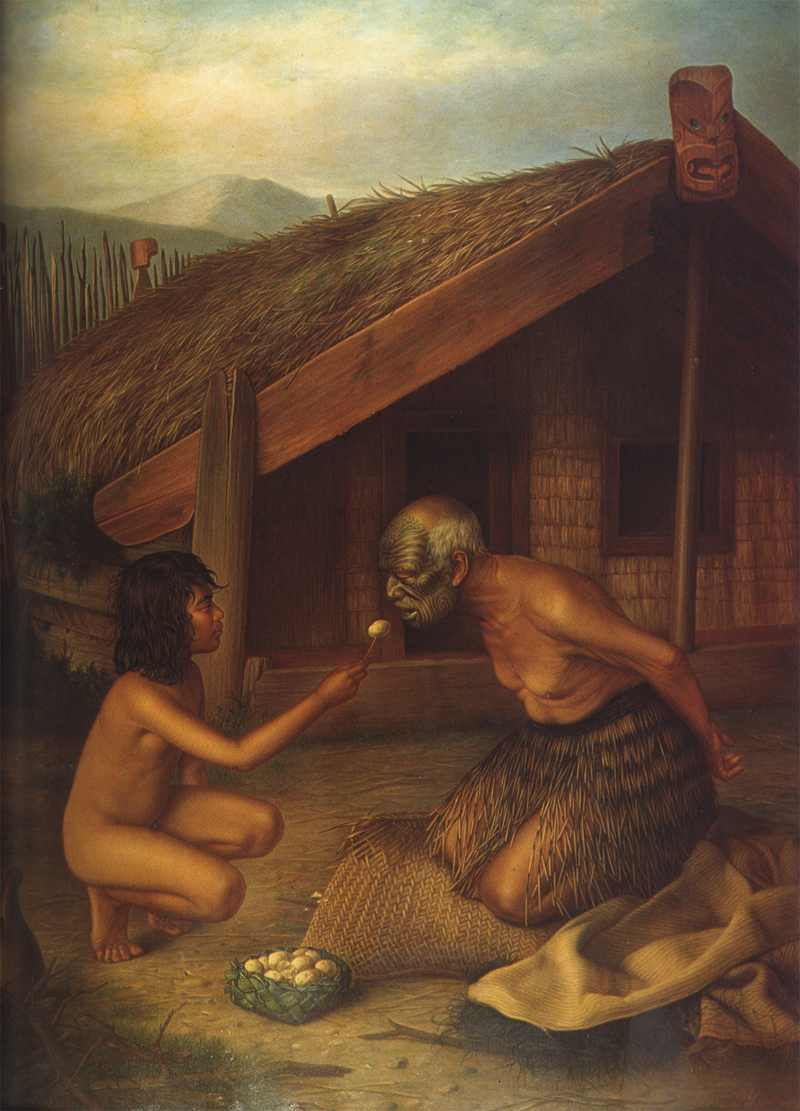 🇳🇿 New ZealandTohunga
A Māori expert practitioner of sacred or secular arts, from priests to carvers.Tradition · Healing · Seeing and foretelling Living
🇳🇿 New ZealandTohunga
A Māori expert practitioner of sacred or secular arts, from priests to carvers.Tradition · Healing · Seeing and foretelling Living
 🇮🇶 Iraq and 1 moreLibanomancy
Divination by reading the smoke and ash of burning frankincenseOracle · Seeing and foretelling Historical
🇮🇶 Iraq and 1 moreLibanomancy
Divination by reading the smoke and ash of burning frankincenseOracle · Seeing and foretelling Historical