Banishing
Ceremonial magic rites used to clear a space of spiritual influences before other workings.
Banishing is a set of practices in ceremonial magic designed to remove non-physical presences and negative energies from an area. It serves as a foundational step for purification, often acting as a necessary precursor to consecration or invocation rituals.
- Lesser Banishing Ritual of the Pentagram is taught to new Golden Dawn initiates.
- Aleister Crowley created the Star Ruby variant for Thelemic practitioners.
- Wiccans use banishing to purify areas before casting magic circles.
- Crowley advised Thelemites to perform banishing rituals daily.
- Rituals aim to remove spirits and negative influences from a space.
What it is
In the realm of ceremonial magic, banishing describes a specific category of ritual action aimed at clearing a designated space. Practitioners perform these rites to eliminate non-physical influences, which can range from disembodied spirits to abstract negative forces. While often embedded within larger, more intricate ceremonies, these actions can also stand alone as complete procedures. The practice functions as a core technique for establishing spiritual cleanliness, typically serving as a mandatory first step before any attempt at consecration or the summoning of entities.
Where it comes from
The formalization of these rites is deeply tied to the Hermetic Order of the Golden Dawn, a late nineteenth-century magical society. Within this organization, the Lesser Banishing Ritual of the Pentagram holds significant weight. New initiates, known as Neophytes, are required to master this specific rite before they are permitted to advance to the higher grade of Zelator. This structured approach established a standardized method for spiritual clearance that influenced later Western esoteric traditions.
How it is done
Practitioners employ several distinct forms of banishing, including the Greater and Lesser Banishing Rituals of both the Pentagram and the Hexagram. Aleister Crowley adapted one of these, creating the Star Ruby, which modifies the Lesser Banishing Ritual of the Pentagram specifically for followers of Thelema. For general purposes, Crowley advised using a shorter, simpler version of the rite, noting that elaborate ceremonies usually require the explicit removal of all named influences. Wiccans and various neopagan groups use similar cleansing acts to purify their ritual circles before beginning any spellwork.
Banishing, drawn and placed
- Living
- Revived
- Fading
- Historical
- Legendary
- Performed
- Lineage
- ceremonial magic
- Timing
- before complex workings or daily
What it is for
The primary goal is to create a neutral and protected environment for magical work. By removing existing spiritual clutter or negativity, practitioners ensure that subsequent invocations are not interfered with by unrelated entities. In Wiccan and neopagan contexts, regular banishing is recommended to maintain a workspace free from harmful energies. It is also viewed as a training exercise; becoming proficient in these clearing rites prepares the practitioner for more spiritually demanding tasks, such as complex spellworking, by building mental and energetic discipline.
Who does it
These rituals are performed by trained magicians and ceremonialists. In the Golden Dawn tradition, learning the basic banishing rite is a strict requirement for advancement, indicating a formalized educational path. Aleister Crowley instructed Thelemites to perform a banishing ritual at least once every day, integrating it into their personal spiritual routine. Authors like Konstantinos have written guides for neopagans, recommending regular practice to maintain proficiency and protect the magician's energy during darker or more taxing workings.
Peoples and places
The practice is prominent in Western esotericism, particularly among members of the Hermetic Order of the Golden Dawn and its successors. It is also widely adopted by modern Wiccans and various neopagan communities who view it as essential for casting magic circles. The specific variations and emphases differ between these groups, with Thelemites utilizing Crowley’s modified versions and Wiccans focusing on spatial purification. The references to Israel in source materials likely pertain to the publication locations of key texts rather than the geographic origin of the practice itself.
At a glance: who, where and when
Who does it
Peoples
Belief worlds
Occasions
What people believe
Underlying these rituals is the belief that spaces can accumulate non-physical residues or be inhabited by independent spiritual entities. Magic is seen as a force that interacts with these invisible layers of reality. Therefore, clearing a space is not merely symbolic but a practical necessity to prevent unwanted interference. The efficacy of the banishing is believed to depend on the precision of the ritual performance and the intent of the operator to establish a boundary against external influences.
Compare and confuse
Banishing is closely related to exorcism, though it is generally less intense and targeted. While exorcism focuses on the expulsion of a specific malevolent entity, banishing is often broader, aiming to clear a general atmosphere of negativity or ambient spiritual presence. It also shares functional similarities with ritual purification rites found in many religious traditions, serving as a preparatory act to render a person or place ready for sacred contact.
Today
The practice remains active in contemporary ceremonial magic and neopaganism. Texts detailing these rituals, such as those by Regardie and Crowley, continue to be published and studied. Modern practitioners integrate these historical rites into their daily lives or specific ritual preparations. The adaptability of banishing allows it to persist across different magical orders and individual paths, maintaining its role as a fundamental tool for spiritual hygiene and workspace management.
Questions people ask about Banishing
What is banishing in magic?
Banishing is a ceremonial magic ritual designed to remove non-physical influences, such as spirits or negative energies, from a specific area. It is often used to prepare a space for further magical work.
Where does this practice come from?
It originates from the Hermetic Order of the Golden Dawn, where specific rites like the Lesser Banishing Ritual of the Pentagram were developed and standardized for initiates.
Who performs these rituals?
They are performed by ceremonial magicians, including members of the Golden Dawn, Thelemites, Wiccans, and various neopagan groups seeking to cleanse their ritual spaces.
Good reading and sources
The facts on this page come from the Wikipedia article "Banishing", written by its contributors and used under the CC BY-SA 4.0 licence, and from its Wikidata record (CC0). EveryJaadu rewrote the text in its own words, with AI assistance, and compares every page with the article to make sure no passage is copied. It may be reused under the same CC BY-SA 4.0 licence with a link back.
It may contain mistakes. Names and customs differ from one community to the next, and some knowledge is closed to outsiders and left out here. This page describes belief and practice. It does not say that any of it works, it is not a how-to, and it is not medical advice. If something is wrong, tell us. Last refreshed 2026-10-05.
More from Israel
All the entries from Israel 🇮🇱 Israel and 2 moreUpsherinאָפּשערן (opshern)
A first haircut ceremony for Jewish boys, marking the start of formal study.Rite · Speaking with spirits and the dead · Power and authority Living
🇮🇱 Israel and 2 moreUpsherinאָפּשערן (opshern)
A first haircut ceremony for Jewish boys, marking the start of formal study.Rite · Speaking with spirits and the dead · Power and authority Living
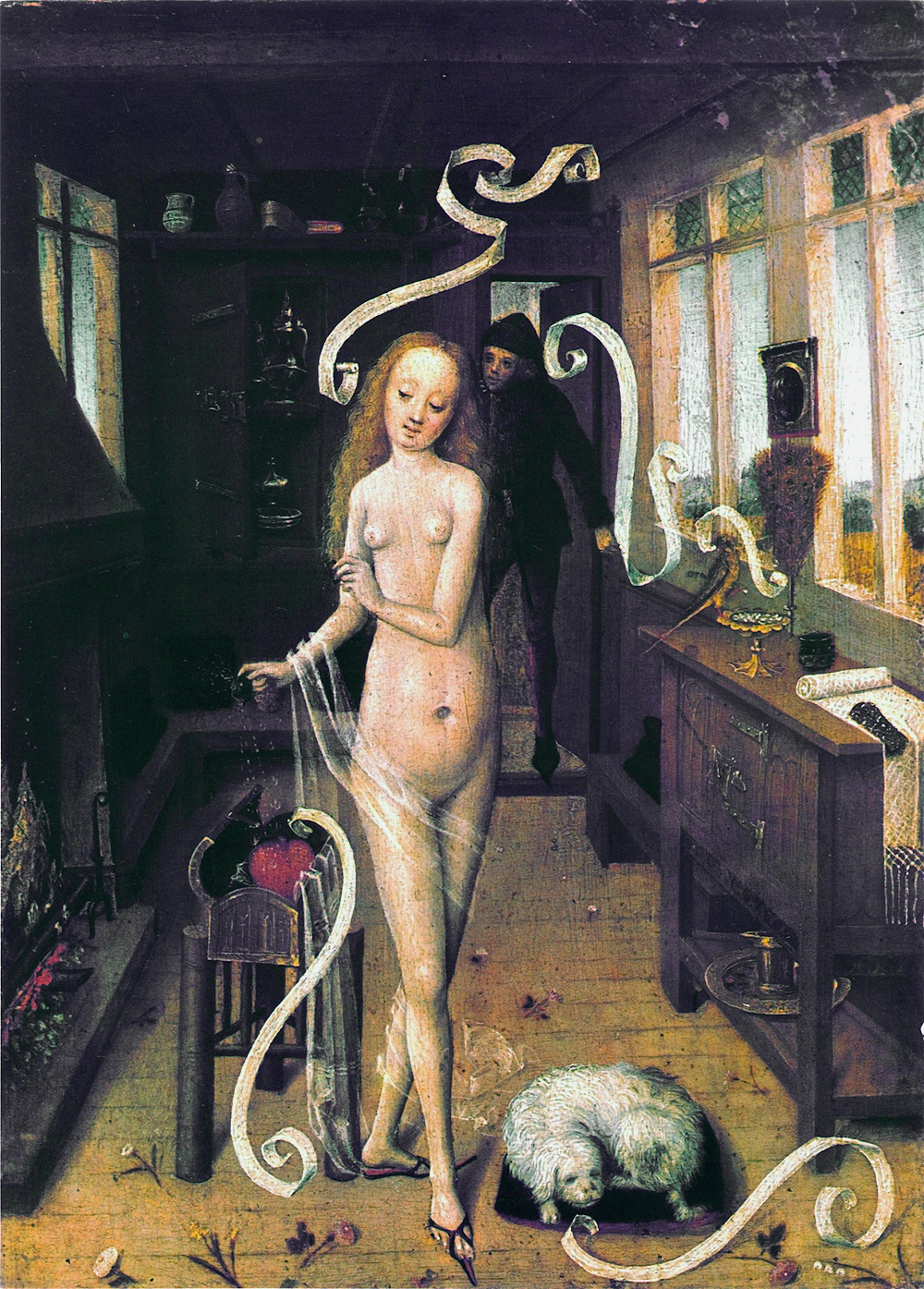 🇮🇶 Iraq and 5 moreLove magic
Rituals and spells used to attract, preserve, or end romantic relationships across many cultures.Tradition · Love and attraction · Cursing and harm Historical
🇮🇶 Iraq and 5 moreLove magic
Rituals and spells used to attract, preserve, or end romantic relationships across many cultures.Tradition · Love and attraction · Cursing and harm Historical
 🇪🇬 Egypt and 5 moreSacred dance
Movement used in worship to honour deities, heal communities, or connect with the spirit world.Tradition · Protection · Healing Living
🇪🇬 Egypt and 5 moreSacred dance
Movement used in worship to honour deities, heal communities, or connect with the spirit world.Tradition · Protection · Healing Living
 🇸🇾 Syria and 5 moreBaetyl
A sacred stone, often a meteorite, believed to house a deity in ancient Near Eastern and Mediterranean traditions.Charm · Power and authority · Speaking with spirits and the dead Historical
🇸🇾 Syria and 5 moreBaetyl
A sacred stone, often a meteorite, believed to house a deity in ancient Near Eastern and Mediterranean traditions.Charm · Power and authority · Speaking with spirits and the dead Historical
Related elsewhere
All rite 🇮🇩 IndonesiaNyepiᬜᬾᬧᬶ
A Balinese day of total silence, fasting, and self-reflection to mark the new year.Rite · Cleansing and purification · Speaking with spirits and the dead Living
🇺🇸 United StatesDeliverance ministry
A Christian practice to remove evil spirits believed to cause personal afflictionRite · Cursing and harm · Cleansing and purification Living
🇮🇩 IndonesiaNyepiᬜᬾᬧᬶ
A Balinese day of total silence, fasting, and self-reflection to mark the new year.Rite · Cleansing and purification · Speaking with spirits and the dead Living
🇺🇸 United StatesDeliverance ministry
A Christian practice to remove evil spirits believed to cause personal afflictionRite · Cursing and harm · Cleansing and purification Living
 🇮🇩 IndonesiaOgoh-ogohᬳᭀᬕᭀᬄ ᬳᭀᬕᭀᬄ
Balinese sculptures paraded and burned to cleanse the environment before NyepiTradition · Cursing and harm · Cleansing and purification Living
🇮🇩 IndonesiaOgoh-ogohᬳᭀᬕᭀᬄ ᬳᭀᬕᭀᬄ
Balinese sculptures paraded and burned to cleanse the environment before NyepiTradition · Cursing and harm · Cleansing and purification Living