Ka-Bala
from Kabbalah and Zohar, referencing Jewish mysticism
A 1967 talking board game that claims to tell the future with a spinning marble and tarot cards.
Ka-Bala was a novelty fortune-telling toy released in 1967 by Transogram. It used a rocking board, a rolling marble, and tarot cards to generate answers and horoscopes for players seeking entertainment or guidance.
- Released by Transogram in 1967
- Used a glowing green plastic board
- Included 22 Major Arcana tarot cards
- Chanting phrase: Pax, sax, sarax
- Marketed as telling the future
What it is
Ka-Bala was a talking board game manufactured by Transogram in 1967. It was marketed as a mysterious device that could tell the future. The game combined elements of a planchette board with tarot card reading. Players interacted with the device to receive answers to questions or simple horoscopes. It was designed as a household entertainment item rather than a serious spiritual tool.
Where it comes from
The game was created and released by Transogram in 1967. Its name and imagery reference Kabbalah and the Zohar, texts associated with Jewish mysticism. The design reflects the mid-century fascination with occult-themed novelties and parlor games.
Tools and materials
The primary tool was a phosphorescent green plastic board that glowed in the dark. It sat on a rocker mechanism. Two handles called solary projectors allowed players to agitate the board. A central Eye of Zohar plastic eyeball spun during operation. A large black marble served as the indicator. Twenty-two rectangular Major Arcana tarot cards were included, each with two fortunes printed on the back.
Ka-Bala, drawn and placed
- Living
- Revived
- Fading
- Historical
- Legendary
- Performed
- Lineage
- talking board games
- Timing
- when players seek answers
What it is for
The game was used to answer questions, predict the future, and generate simple horoscopes. It provided entertainment through the illusion of supernatural insight. Players sought clarity or amusement by interpreting the random selections made by the marble. The tarot cards offered specific fortunes based on their upright or reversed position.
Who does it
The game was designed for household use by ordinary people. No special training or initiation was required to play. Anyone could operate the handles and read the results. It was a commercial product sold for casual entertainment rather than a ritual practice performed by specialists.
Peoples and places
The game was produced in the United States for a general consumer market. It appealed to those interested in mysticism and fortune-telling novelties. The marketing targeted families and individuals looking for parlor game entertainment. There is no evidence of it being adopted by specific ethnic or religious communities as a traditional practice.
At a glance: who, where and when
What people believe
The game relied on the belief that random mechanical movements could reveal hidden truths. The chanting of phrases like Pax, sax, sarax added a ritualistic feel to the gameplay. The reference to Kabbalah suggested a connection to deeper spiritual knowledge. However, the outcomes were determined by chance and the physical properties of the device.
When it is done
The game could be played at any time when players wished to seek answers or entertainment. It was not tied to specific festivals, seasons, or life events. It functioned as a daily diversion or a pastime for social gatherings.
How scholars and sceptics see it
Scholars view Ka-Bala as an example of mid-twentieth century commercial occultism. The game illustrates how esoteric concepts were simplified and packaged for public consumption. It is studied in the context of toy history and the evolution of fortune-telling devices.
Cautions and what is closed
As a plastic toy, there are no significant health risks beyond standard toy safety concerns. The game does not provide genuine predictive power or spiritual guidance. Users should understand that the results are random and intended for amusement only. It is not a substitute for professional advice or serious spiritual study.
Compare and confuse
Ka-Bala is similar to other talking boards and fortune-telling toys of its era. It shares features with the Magic 8 Ball and various spirit boards. Unlike serious tarot readings, it uses a mechanical system to select pre-printed fortunes. It differs from traditional divination methods by relying on chance rather than interpretation skills.
Law and persecution
The game was a legal commercial product sold in the United States. There are no known legal restrictions or controversies surrounding its sale. It remains a collectible item for enthusiasts of vintage toys and occult memorabilia.
Questions people ask about Ka-Bala
What is Ka-Bala?
Ka-Bala is a 1967 talking board game made by Transogram. It uses a rocking board, a rolling marble, and tarot cards to generate answers and horoscopes for entertainment.
Where does the name come from?
The name references Kabbalah and the Zohar, texts from Jewish mysticism. This connection was used to give the game an appearance of ancient esoteric wisdom.
How do you play the game?
Players hold handles to rock the board, causing a marble to roll. The marble selects letters, numbers, or tarot cards to provide answers or fortunes based on card orientation.
Is it related to real magic?
No. It is a novelty toy designed for amusement. The results are determined by chance and mechanical movement, not supernatural forces or genuine divination.
Good reading and sources
The facts on this page come from the Wikipedia article "Ka-Bala", written by its contributors and used under the CC BY-SA 4.0 licence, and from its Wikidata record (CC0). EveryJaadu rewrote the text in its own words, with AI assistance, and compares every page with the article to make sure no passage is copied. It may be reused under the same CC BY-SA 4.0 licence with a link back.
It may contain mistakes. Names and customs differ from one community to the next, and some knowledge is closed to outsiders and left out here. This page describes belief and practice. It does not say that any of it works, it is not a how-to, and it is not medical advice. If something is wrong, tell us. Last refreshed 2026-10-08.
More from the United States
All the entries from the United States 🇺🇸 United StatesHoward Thurston
A stage magician who built the largest traveling magic show in historyIllusion · Wonder and entertainment Historical
🇺🇸 United States and 1 moreHorace Goldin
A stage magician known for his fast style and the sawing illusion.Illusion · Wonder and entertainment Historical
🇺🇸 United StatesHoward Thurston
A stage magician who built the largest traveling magic show in historyIllusion · Wonder and entertainment Historical
🇺🇸 United States and 1 moreHorace Goldin
A stage magician known for his fast style and the sawing illusion.Illusion · Wonder and entertainment Historical
 🇺🇸 United StatesSociety of American Magicians
A global professional group for magicians that preserves the art and ethics of stage illusionIllusion · Wonder and entertainment Living
🇺🇸 United StatesSociety of American Magicians
A global professional group for magicians that preserves the art and ethics of stage illusionIllusion · Wonder and entertainment Living
 🇺🇸 United StatesPenn & Teller
A long-running American magic duo known for comedy acts and skeptical advocacyIllusion · Wonder and entertainment Living
🇺🇸 United StatesPenn & Teller
A long-running American magic duo known for comedy acts and skeptical advocacyIllusion · Wonder and entertainment Living
Related elsewhere
All illusion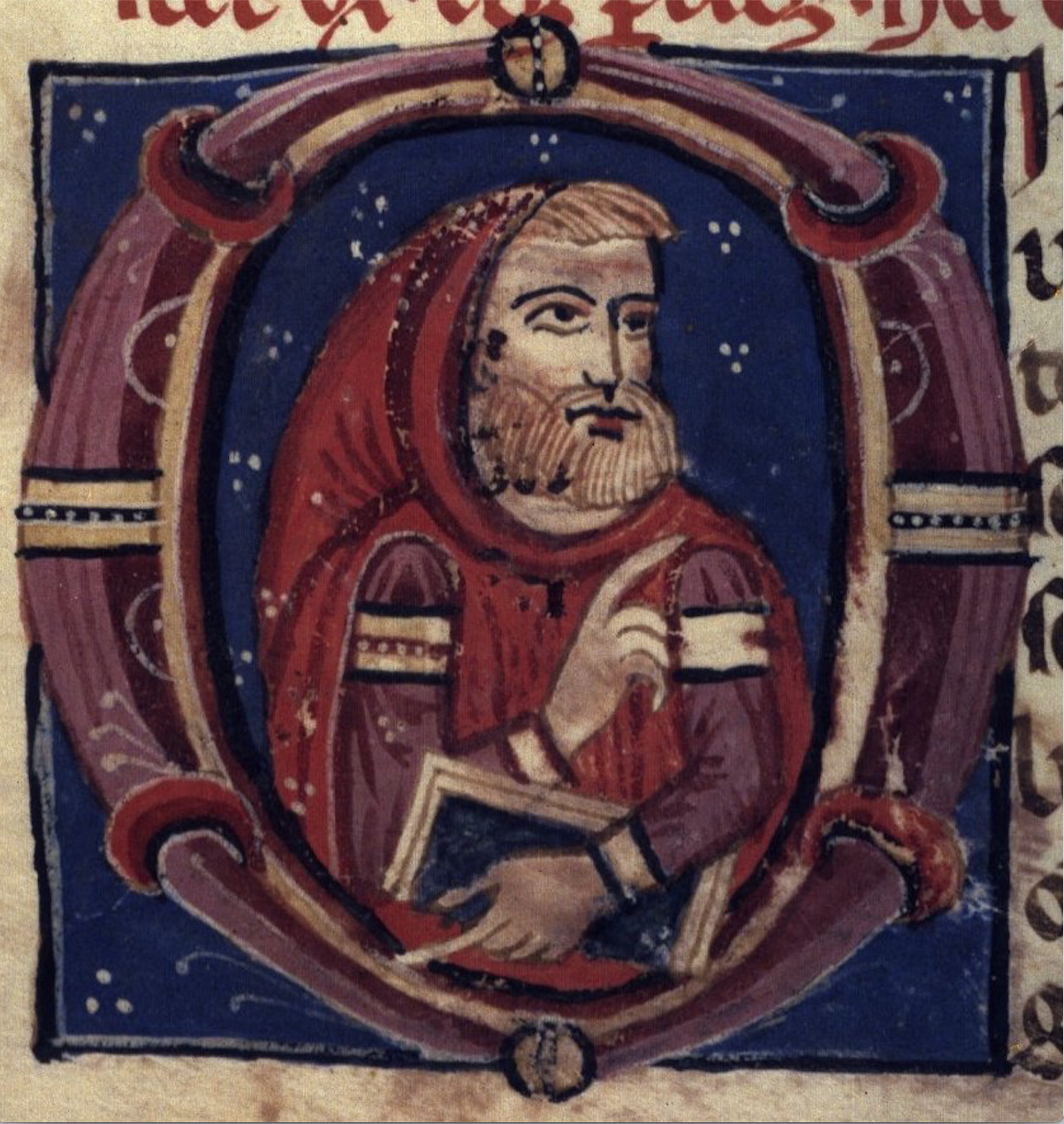 🇬🇧 United Kingdom and 2 moreMichael Scot
A medieval scholar and astrologer who became a legendary magician in folklore.Figure · Seeing and foretelling · Wonder and entertainment Legendary
🇬🇧 United Kingdom and 2 moreMichael Scot
A medieval scholar and astrologer who became a legendary magician in folklore.Figure · Seeing and foretelling · Wonder and entertainment Legendary
 🇮🇹 Italy and 4 moreTarottarocchi
A set of cards for games and divination, with roots in fifteenth-century ItalyText · Wonder and entertainment · Seeing and foretelling Living
🇮🇹 Italy and 4 moreTarottarocchi
A set of cards for games and divination, with roots in fifteenth-century ItalyText · Wonder and entertainment · Seeing and foretelling Living
 🇨🇳 ChinaHe Xiangu何仙姑
A female immortal from Chinese Taoist legend known for divination and lotus magicFigure · Seeing and foretelling · Healing Legendary
🇨🇳 ChinaHe Xiangu何仙姑
A female immortal from Chinese Taoist legend known for divination and lotus magicFigure · Seeing and foretelling · Healing Legendary