
Bed of nails
A wooden platform studded with nails used in magic acts and physics demonstrations
The bed of nails is a prop consisting of a flat board embedded with many sharp points. It is used in stage magic and science shows to demonstrate how weight distribution reduces pressure on the skin.
- Weight spreads across thousands of nails to prevent skin puncture
- Used in American vaudeville and circus sideshows
- Sledgehammer strikes on blocks above the sleeper dissipate energy
- Modern versions use retractable pins for safer public display
What it is
The bed of nails is a performance prop made from a rectangular wooden board fitted with numerous upward-pointing nails. While it looks dangerous, the device relies on basic physics rather than supernatural protection. The nails spread a person's body weight across many points, lowering the pressure each one exerts so that the skin remains unbroken. This effect is often shown as a feat of endurance or a lesson in mechanics.
Where it comes from
The practice appears in American vaudeville circuits and the sideshows of traveling circuses and carnivals. Performers used the setup to draw crowds with seemingly impossible feats of pain tolerance. Modern versions sometimes appear in educational settings like science centers, where retractable electronic models allow safe interaction without the risks of traditional fixed nails.
Tools and materials
The primary tool is a sturdy wooden plank drilled with holes for metal spikes. Some designs include side rails to help users slide into position safely. Advanced exhibits may use plastic beds with motorized pins that rise simultaneously, removing the danger of stepping onto the points manually.
Bed of nails, drawn and placed
- Living
- Revived
- Fading
- Historical
- Legendary
- Performed
What it is for
The act serves to entertain audiences by challenging their expectations of pain and injury. It also functions as a visual explanation of physical principles, showing how spreading force over a larger area prevents damage. Spectators watch to see if the performer can withstand the blows without flinching.
Who does it
Stage magicians and circus artists operate the device during live shows. They must ensure the nails are clean and properly spaced to maintain safety. Educators at science museums may supervise the electronic versions to teach students about pressure and force dynamics in a controlled environment.
Peoples and places
The tradition is strongly linked to American entertainment history, particularly the vaudeville era and carnival culture. It has since spread to global science education programs. Different venues adapt the method, from rough-and-tumble sideshow tents to polished academic classrooms.
At a glance: who, where and when
Who does it


What people believe
No spiritual beliefs surround the bed of nails. It is understood purely as a mechanical trick based on the laws of physics.
How scholars and sceptics see it
Physicists analyze the bed of nails to illustrate concepts like pressure, force, and surface area. Historians view it as part of the broader spectacle of nineteenth-century popular entertainment. Skeptics note that the effect is entirely predictable and requires no special talent beyond careful positioning.
Cautions and what is closed
The activity carries significant physical risk. The most vulnerable moments occur when mounting or dismounting the bed, as uneven weight can concentrate pressure on a few nails and cause puncture wounds. Traditional setups require careful supervision to prevent accidents.
Compare and confuse
The bed of nails shares its theme of pain defiance with firewalking. Both acts use physical principles to create an illusion of supernatural immunity. Unlike ritualistic practices, neither involves religious symbolism or ceremonial intent.
Today
The prop survives in science museums and educational outreach programs. Retractable models make it safer for public interaction. Some independent performers still use the classic version in variety shows, keeping the legacy of early twentieth-century stunt work alive.
Questions people ask about Bed of nails
What is a bed of nails?
It is a wooden board filled with many sharp nails used in magic acts and science shows to demonstrate how weight distribution protects the body.
Where did this trick originate?
The practice emerged in the United States during the vaudeville era and became a staple of circus sideshows and carnival attractions.
How does the sleeper avoid injury?
The nails spread the person's weight over a large area, reducing the pressure on any single point so it cannot break the skin.
Good reading and sources
- Bed of nails on WikipediaEncyclopedia
- More photos on Wikimedia CommonsPhotos and video
- Wikidata recordOpen data
The facts on this page come from the Wikipedia article "Bed of nails", written by its contributors and used under the CC BY-SA 4.0 licence, and from its Wikidata record (CC0). EveryJaadu rewrote the text in its own words, with AI assistance, and compares every page with the article to make sure no passage is copied. It may be reused under the same CC BY-SA 4.0 licence with a link back.
It may contain mistakes. Names and customs differ from one community to the next, and some knowledge is closed to outsiders and left out here. This page describes belief and practice. It does not say that any of it works, it is not a how-to, and it is not medical advice. If something is wrong, tell us. Last refreshed 2026-10-06.
More from the United States
All the entries from the United States 🇺🇸 United StatesSociety of American Magicians
A global professional group for magicians that preserves the art and ethics of stage illusionIllusion · Wonder and entertainment Living
🇺🇸 United States and 1 moreHorace Goldin
A stage magician known for his fast style and the sawing illusion.Illusion · Wonder and entertainment Historical
🇺🇸 United StatesSociety of American Magicians
A global professional group for magicians that preserves the art and ethics of stage illusionIllusion · Wonder and entertainment Living
🇺🇸 United States and 1 moreHorace Goldin
A stage magician known for his fast style and the sawing illusion.Illusion · Wonder and entertainment Historical
 🇺🇸 United States and 1 moreChung Ling Soo程連蘇
An American stage magician who performed as a Chinese man and died during a bullet catch illusion.Illusion · Wonder and entertainment Historical
🇺🇸 United States and 1 moreChung Ling Soo程連蘇
An American stage magician who performed as a Chinese man and died during a bullet catch illusion.Illusion · Wonder and entertainment Historical
Related elsewhere
All illusion 🇬🇧 United Kingdom and 2 moreKing ArthurBrenin Arthur
A legendary British king and folk hero of medieval literature and Welsh mythologyFigure · Power and authority · Wonder and entertainment Legendary
🇬🇧 United Kingdom and 2 moreKing ArthurBrenin Arthur
A legendary British king and folk hero of medieval literature and Welsh mythologyFigure · Power and authority · Wonder and entertainment Legendary
 🇪🇬 Egypt and 1 moreSphinx
A mythical hybrid with a human head and lion body, serving as guardian or riddler in Egyptian and Greek traditions.Being · Protection · Wonder and entertainment Legendary
🇪🇬 Egypt and 1 moreSphinx
A mythical hybrid with a human head and lion body, serving as guardian or riddler in Egyptian and Greek traditions.Being · Protection · Wonder and entertainment Legendary
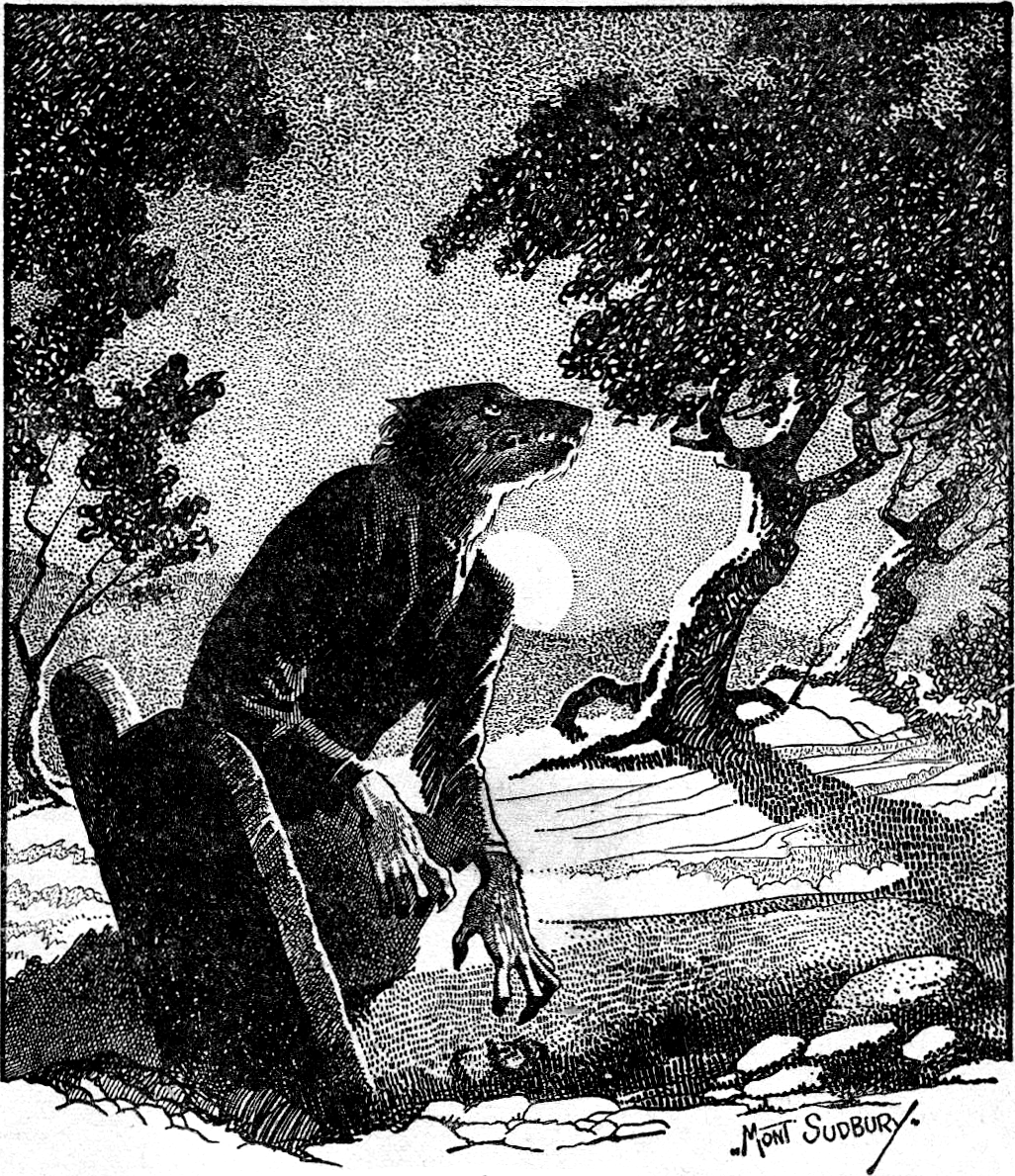 🇫🇷 France and 5 moreWerewolf
A mythical shapeshifter that turns into a wolf, central to European witch-hunts and Gothic horror.Being · Cursing and harm · Wonder and entertainment Legendary
🇫🇷 France and 5 moreWerewolf
A mythical shapeshifter that turns into a wolf, central to European witch-hunts and Gothic horror.Being · Cursing and harm · Wonder and entertainment Legendary
 🇪🇸 Spain and 5 moreSt John's Eve
A Christian vigil marked by bonfires and plant gathering on the summer solstice eveRite · Protection · Speaking with spirits and the dead Living
🇪🇸 Spain and 5 moreSt John's Eve
A Christian vigil marked by bonfires and plant gathering on the summer solstice eveRite · Protection · Speaking with spirits and the dead Living