Power and authority
Magic as kingship, priesthood and status: the sorcerer-king, the court astrologer, the rainmaker.
Magic as power and authority is the use of ritual to make or hold rank: kings with sacred duties, court astrologers, rainmakers, chiefs who are said to hold spiritual force, and priests who keep a state religion. It includes the Egyptian pharaoh, the Mongol shamans at the court of the khan, the Chinese Taoist masters, the Zulu and Shona spirit mediums, and the astrologers who advised Mughal and European rulers. This page asks how magic and politics feed each other. Where this happens, magic is less about individual wishes and more about who is allowed to speak for the unseen.
Sacred rulers
In many kingdoms the ruler was believed to hold a power linked to harvest, rain or victory. Pharaohs performed rites to keep order, and the Divine Right of kings in Europe included the royal touch, a rite by which French and English monarchs touched people with scrofula. Chinese emperors held the Mandate of Heaven, which natural omens could confirm or withdraw. The Mongol khans consulted shamans and diviners. Kings also commissioned astrologers to choose coronation dates.
Advisers and rivals
Courts employed diviners, astrologers and mages. John Dee advised Elizabeth I, and Indian and Persian kings kept court astrologers. Such advisers also faced risk: in Rome, astrologers were expelled several times, and accusations of sorcery were used to remove rivals at courts from Byzantium to Ming China. Magic offered influence to people with little formal rank. Sorcery charges were used against queens and ministers in several courts, and the fall of a favourite was often explained by a spell.
Resistance and the state
Spirit mediums have led resistance. In Zimbabwe, the spirit mediums Nehanda and Kaguvi were central to the 1896 uprising against British rule, and Nehanda was hanged in 1898. In Kenya and Tanzania, the Maji Maji rebellion of 1905 drew on a water said to protect against bullets. Colonial states responded with witchcraft ordinances, which often banned healers and protected nobody. In Africa, chiefs are often described as guardians of a land and its rain, and ruling families have held rites for the whole community.
Modern politics
Some leaders consult astrologers or healers, and political use of the occult is reported from India to Latin America. Accusations of witchcraft are used against opponents and in land disputes. Scholars read these links as part of how power is made visible and legitimate. Citizens may wish to ask who benefits when magic is used in public life. Many states now regulate healers and diviners, or use them for public health messages, which shows how much influence they still have.
Power and authority on EveryJaadu
The entries written up so far, best known first.
 🇨🇳 China and 1 moreLuoshu Square洛書
An ancient Chinese three-by-three magic square linked to geomancy and numerologyTradition · Power and authority · Wonder and entertainment Historical
🇨🇳 China and 1 moreLuoshu Square洛書
An ancient Chinese three-by-three magic square linked to geomancy and numerologyTradition · Power and authority · Wonder and entertainment Historical
 🇮🇶 Iraq and 5 moreGrimoire
A textbook containing instructions for spells, rituals, and the creation of magical objects.Text · Protection · Healing Historical
🇮🇶 Iraq and 5 moreGrimoire
A textbook containing instructions for spells, rituals, and the creation of magical objects.Text · Protection · Healing Historical
 🇪🇬 Egypt and 2 moreNatural magic
A historical tradition exploring hidden forces in the physical worldTradition · Seeing and foretelling · Power and authority Historical
🇪🇬 Egypt and 2 moreNatural magic
A historical tradition exploring hidden forces in the physical worldTradition · Seeing and foretelling · Power and authority Historical
 🇮🇸 IcelandIcelandic magical stavesgaldrastafir
Sigils from Icelandic grimoires believed to hold magical powerCharm · Power and authority Historical
🇮🇸 IcelandIcelandic magical stavesgaldrastafir
Sigils from Icelandic grimoires believed to hold magical powerCharm · Power and authority Historical
 🇿🇦 South AfricaSympathetic magic
A magical principle based on imitation and contact to influence the worldTradition · Protection · Healing Historical
🇿🇦 South AfricaSympathetic magic
A magical principle based on imitation and contact to influence the worldTradition · Protection · Healing Historical
 🇪🇬 Egypt and 5 moreHermetica
A collection of ancient texts attributed to Hermes Trismegistus, covering magic, alchemy and philosophy.Text · Seeing and foretelling · Change and initiation Historical
🇪🇬 Egypt and 5 moreHermetica
A collection of ancient texts attributed to Hermes Trismegistus, covering magic, alchemy and philosophy.Text · Seeing and foretelling · Change and initiation Historical
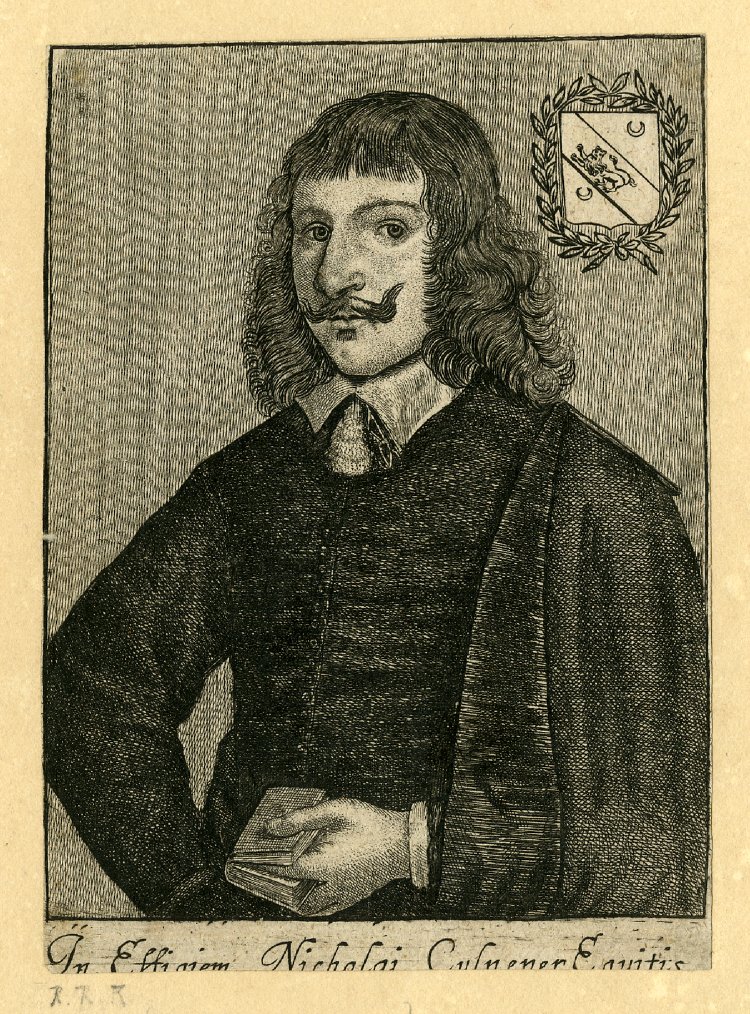 🇬🇧 United Kingdom and 1 moreNicholas Culpeper
An English herbalist and astrologer who translated medical texts into English for the poor.Text · Healing · Power and authority Historical
🇬🇧 United Kingdom and 1 moreNicholas Culpeper
An English herbalist and astrologer who translated medical texts into English for the poor.Text · Healing · Power and authority Historical
 🇬🇷 Greece and 5 moreNecromancy
A form of divination that seeks to speak with the dead for hidden knowledge.Tradition · Seeing and foretelling · Power and authority Historical
🇬🇷 Greece and 5 moreNecromancy
A form of divination that seeks to speak with the dead for hidden knowledge.Tradition · Seeing and foretelling · Power and authority Historical
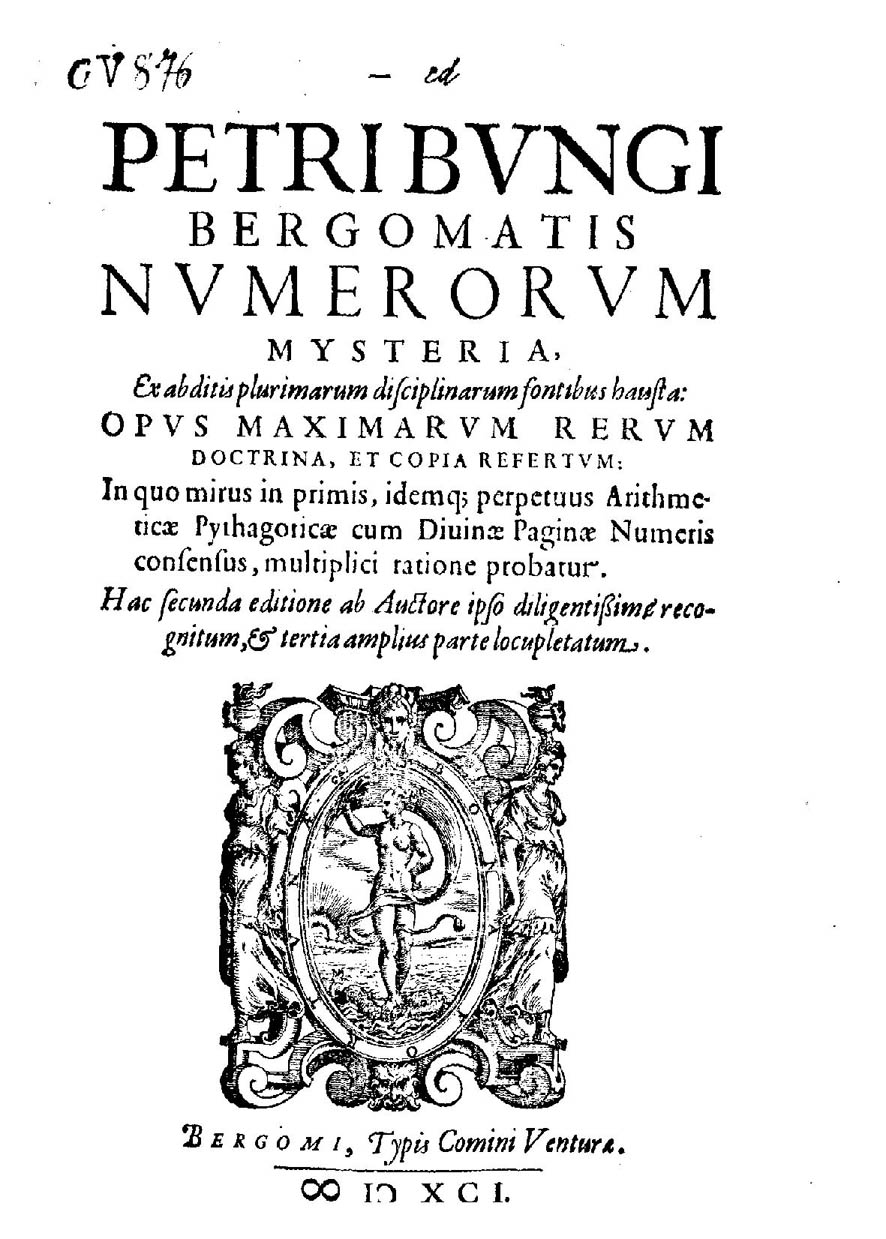 🇬🇷 Greece and 2 moreNumerology
The belief that numbers hold hidden meanings and influence human events.Belief · Seeing and foretelling · Luck and prosperity Historical
🇬🇷 Greece and 2 moreNumerology
The belief that numbers hold hidden meanings and influence human events.Belief · Seeing and foretelling · Luck and prosperity Historical
 🇫🇮 Finland and 1 moreSampo
A magical mill or world pillar in Finnish and Estonian mythology that produces wealth.Figure · Luck and prosperity · Power and authority Historical
🇫🇮 Finland and 1 moreSampo
A magical mill or world pillar in Finnish and Estonian mythology that produces wealth.Figure · Luck and prosperity · Power and authority Historical
 🇮🇳 India and 3 moreAstrology
A divinatory practice that links celestial positions to human affairs and earthly eventsTradition · Seeing and foretelling · Luck and prosperity Historical
🇮🇳 India and 3 moreAstrology
A divinatory practice that links celestial positions to human affairs and earthly eventsTradition · Seeing and foretelling · Luck and prosperity Historical
 🇮🇷 Iran and 1 moreDerafsh Kavianiدرفش کاویانی
A legendary royal standard of pre-Islamic Iran, later adopted as a symbol of national identity.Charm · Power and authority · Luck and prosperity Historical
🇮🇷 Iran and 1 moreDerafsh Kavianiدرفش کاویانی
A legendary royal standard of pre-Islamic Iran, later adopted as a symbol of national identity.Charm · Power and authority · Luck and prosperity Historical
 🇮🇱 Israel and 1 moreTeraphimתרפים
Ancient Hebrew household figures linked to ancestry, property rights and divinationBeing · Seeing and foretelling · Luck and prosperity Historical
🇮🇱 Israel and 1 moreTeraphimתרפים
Ancient Hebrew household figures linked to ancestry, property rights and divinationBeing · Seeing and foretelling · Luck and prosperity Historical
 🇮🇪 Ireland and 4 moreFairy Queen
A female ruler of fairies found in folklore, literature, and witchcraft trials across Europe.Figure · Power and authority Historical
🇮🇪 Ireland and 4 moreFairy Queen
A female ruler of fairies found in folklore, literature, and witchcraft trials across Europe.Figure · Power and authority Historical
 🇷🇺 RussiaTriple-headed eagle
A heraldic and mythological bird with three heads, appearing in Russian symbolism and European manuscripts.Being · Power and authority Historical
🇷🇺 RussiaTriple-headed eagle
A heraldic and mythological bird with three heads, appearing in Russian symbolism and European manuscripts.Being · Power and authority Historical
 🇫🇷 France and 1 moreDusios
A Gaulish spirit type later classified as an incubus demon by early Christian writersBeing · Cursing and harm · Power and authority Historical
🇫🇷 France and 1 moreDusios
A Gaulish spirit type later classified as an incubus demon by early Christian writersBeing · Cursing and harm · Power and authority Historical
 🇮🇷 Iran and 5 moreAxis mundi
A concept describing a central point connecting the earthly and heavenly realms.Belief · Speaking with spirits and the dead · Power and authority Historical
🇨🇳 ChinaChinese sorcery scares
A series of moral panics in Imperial China driven by fears of magical harm and hair cuttingBelief · Cursing and harm · Power and authority Historical
🇮🇷 Iran and 5 moreAxis mundi
A concept describing a central point connecting the earthly and heavenly realms.Belief · Speaking with spirits and the dead · Power and authority Historical
🇨🇳 ChinaChinese sorcery scares
A series of moral panics in Imperial China driven by fears of magical harm and hair cuttingBelief · Cursing and harm · Power and authority Historical
 🇸🇪 Sweden and 4 moreSun cross
A cross inside a circle found in prehistoric art and modern political symbolsBelief · Power and authority Historical
🇸🇪 Sweden and 4 moreSun cross
A cross inside a circle found in prehistoric art and modern political symbolsBelief · Power and authority Historical
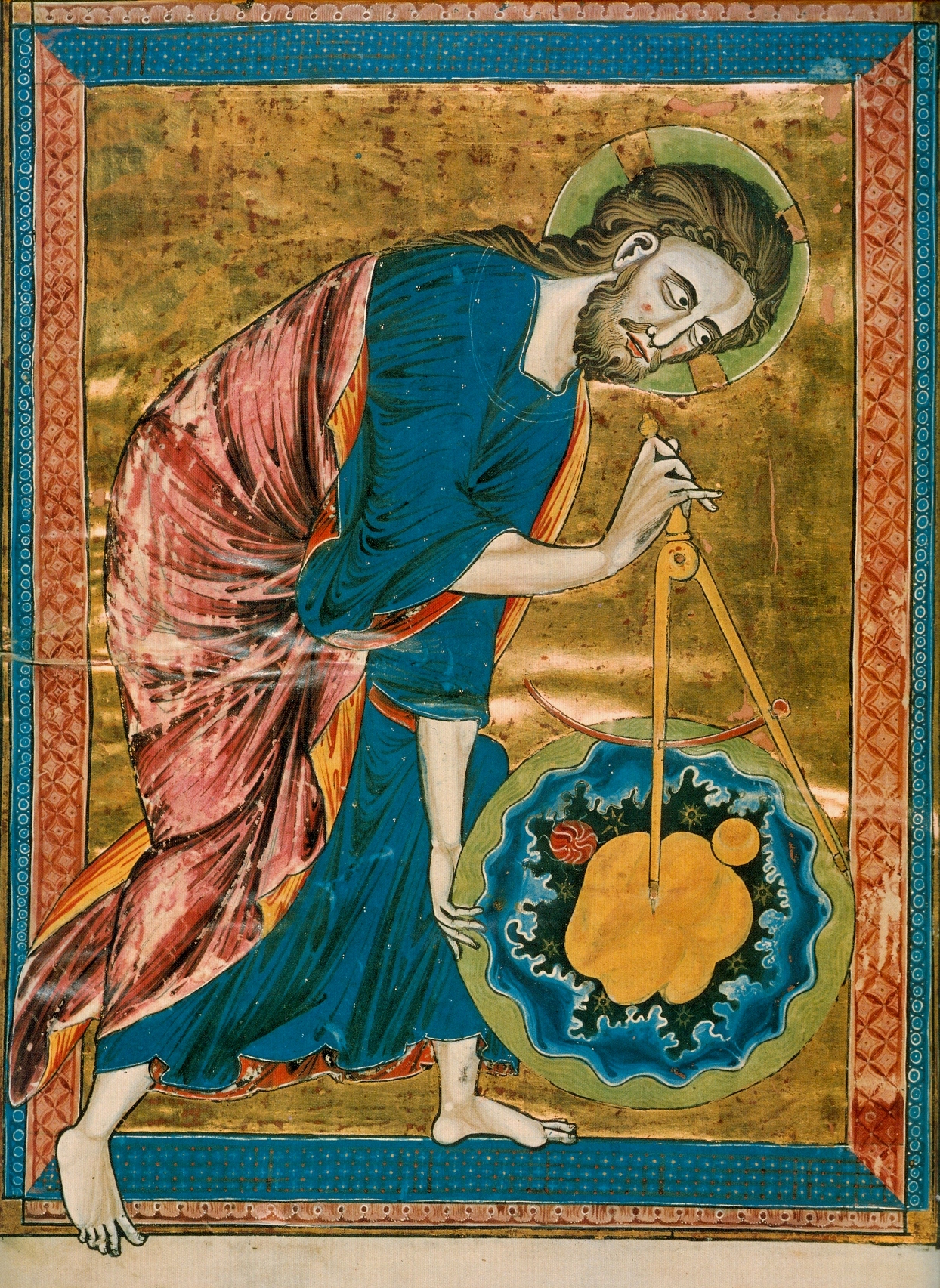 🇬🇷 GreeceAstrology and astronomy
Two disciplines that shared a history before splitting into science and divinationTradition · Seeing and foretelling · Power and authority Historical
🇬🇷 GreeceAstrology and astronomy
Two disciplines that shared a history before splitting into science and divinationTradition · Seeing and foretelling · Power and authority Historical
 🇹🇭 Thailand and 2 moreSang Thongสังข์ทอง
A Southeast Asian folktale about a prince born in a shell who gains golden skin and magical powers.Figure · Luck and prosperity · Love and attraction Historical
🇹🇭 Thailand and 2 moreSang Thongสังข์ทอง
A Southeast Asian folktale about a prince born in a shell who gains golden skin and magical powers.Figure · Luck and prosperity · Love and attraction Historical
Photo credits on this page
The small pictures above come from Wikimedia Commons under free licences. Some are cropped to fit.
- Sampo: Väinö Blomstedt, Public domain, source
- Grimoire: Bengt A. Lundberg, CC BY 2.5, source
- Heinrich Cornelius Agrippa: Jean-Louis Durant (1654-1718), Public domain, source
- Numerology: Pietro Bongo, Public domain, source
- Sang Thong: Narisara Nuwattiwong, Public domain, source
- Astrology: Wilfredor, CC0, source
- Sympathetic magic: Marie-Lan Nguyen, CC BY 2.5, source
- Nicholas Culpeper: Richard Gaywood, Public domain, source
- Fairy: Henry Fuseli, Public domain, source
- Necromancy: Unknown author, CC BY 4.0, source
- Derafsh Kaviani: CNG Coins, CC BY-SA 3.0, source
- Dusios: Eric Hunt, CC BY-SA 2.5, source
- John Dee: Unidentified painter, Public domain, source
- Luoshu Square: An unknown Tibetan artist, Public domain, source
- Axis mundi: Unknown author, Public domain, source
- Teraphim: Athanasius Kircher, Public domain, source
- Icelandic magical staves: Unknown author, Public domain, source
- Sun cross: National Museum of Denmark, CC BY-SA 3.0, source
- Astrology and astronomy: anonymous, Public domain, source
- Triple-headed eagle: Неизвестный автор. (фото обложки сборника: Александр Храмов), Public domain, source