Speaking with spirits and the dead
Mediumship, ancestor rites, possession and the offerings made to the unseen.
Speaking with spirits and the dead is the aim of mediumship, ancestor rites, possession and necromancy. It runs from the spirit mediums of Korea and Brazil to Vodou possession, Chinese ancestor offerings, the Mexican Day of the Dead, Victorian spiritualism and the Witch of Endor of the Bible. It is a central practice in some living religions and a frequent target of fraud in others. This page covers who speaks to the dead and how they are judged.
Ways of contact
Methods differ. In possession, a spirit or deity is said to speak through the body of a medium, as in Vodou, Candomblé, Haitian and Brazilian rites, and in Korean gut. In trance or dream, a shaman travels to the spirit world. In offerings and festivals, families feed and talk to ancestors, as in the Hungry Ghost month in China and the ofrenda in Mexico. Spiritualism added the seance and the table-rapping of the 1840s.
Who may
In many societies, women lead: Korean mudang, Okinawan yuta, Brazilian mães de santo and the Western spiritualist mediums of the nineteenth century, who found in mediumship a public role denied elsewhere. Elsewhere, the role is for elders and ancestors' descendants. Some traditions require initiation, and some say contact with the dead is not for outsiders to attempt. Spirits and ancestors are not always friendly: mediums report angry, hungry or lost beings, and rites exist for settling them, such as offerings for neglected ancestors in China and Vietnam.
Authority and fear
Religions disagree. Christianity, Judaism and Islam each forbid certain contact with the dead while honouring prayer for them. Spiritist movements around Kardec in Brazil and France treat communication as a doctrine. Colonial authorities banned possession cults in many places, often labelling them devil worship, and some Pentecostal churches today condemn them in the same terms. The rites are widely found in Africa too, where ancestors are consulted at the family shrine and are held to watch over the living.
Fraud, grief and study
Grieving people are vulnerable. Fraudulent mediums, from the Fox sisters, who confessed in 1888, to modern cold readers, have taken money by exploiting loss. Researchers point to cold reading and to the ideomotor effect behind the Ouija board. Many bereaved people also report real comfort from rites that keep a bond with the dead, and counsellors acknowledge that continuing bonds are common. Doctors and psychologists note that a grief reaction can include hearing or sensing the dead, which is common and not in itself a sign of illness.
Speaking with spirits and the dead on EveryJaadu
The entries written up so far, best known first.
 🇯🇵 JapanItakoイタコ
Blind women in Japan who train to channel spirits and communicate with the dead.Tradition · Speaking with spirits and the dead · Seeing and foretelling Fading
🇯🇵 JapanNoro祝女
Ryukyuan village priestesses who tend sacred hearths and utaki shrinesTradition · Speaking with spirits and the dead · Protection Fading
 🇷🇺 Russia and 2 moreSiberian Shamanism
Spirit journey and healing rituals of North Asian ethnic groupsTradition · Healing · Speaking with spirits and the dead Fading
 🇵🇭 PhilippinesIndigenous religious beliefs of the Tagbanwa people
The traditional spiritual system and rituals of the Tagbanwa indigenous community in the Philippines.Tradition · Protection · Healing Fading
 🇵🇭 Philippines and 1 moreIndigenous Philippine shrines and sacred groundsdambana
Sacred sites in the Philippines used for communication with spirits and ancestors.Tradition · Speaking with spirits and the dead · Protection Fading
 🇲🇾 MalaysiaBobohizan
A high priestess and spirit medium in the traditional rituals of the Kadazan-Dusun people of Sabah.Tradition · Healing · Protection Fading
 🇯🇵 JapanNyonin Kinsei女人禁制
A Japanese custom prohibiting women from sacred sites and certain cultural spaces.Tradition · Protection · Speaking with spirits and the dead Fading
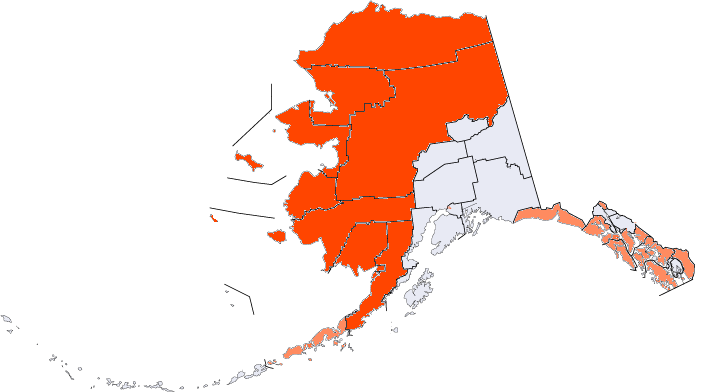 🇺🇸 United StatesShamanism among Alaska Natives
Traditional spiritual practices of Indigenous peoples in AlaskaTradition · Healing · Seeing and foretelling Fading
Photo credits on this page
The small pictures above come from Wikimedia Commons under free licences. Some are cropped to fit.
- Witchcraft in the Philippines: The original uploader was Rodsan18 at English Wikipedia . ( Original t, CC BY 2.5, source
- Indigenous Philippine shrines and sacred grounds: Firth m, CC BY-SA 4.0, source
- Siberian Shamanism: Аркадий Зарубин, CC BY-SA 3.0, source
- Itako: User Geomr~commonswiki self upload, CC BY-SA 3.0, source
- Nyonin Kinsei: MightyAtom at English Wikipedia, Public domain, source
- Shamanism among Alaska Natives: Balkanian`s word, Public domain, source
- Bobohizan: Ricardo Unto, CC BY-SA 4.0, source