🇲🇱 Magic in Mali
3 entries from Mali, best known first, across 2 places of magic.
The Dogon religion of Mali centers on Amma, a single Creator deity, alongside ancestral spirits called Nommo. This belief system emphasizes duality and balance, integrating complex cosmology with rituals for death and seasonal cycles.
- Amma is the genderless Creator deity embodying dual principles
- Sigi ceremony occurs every sixty years to transmit secret knowledge
- Blacksmiths serve as intermediaries between humans and the divine
- Nommo are ancestral spirits associated with water and speech
- Dama ritual escorts souls permanently out of the village
Overview
Dogon spirituality in Mali focuses on Amma as the sole creator who embodies both masculine and feminine principles. The tradition values balance and reverence for nature, viewing the universe through a lens of dualities. It shares structural similarities with other West African systems but maintains distinct cosmological details. Ethnologists have studied these beliefs since the 1930s, noting their intricate connection to astronomy and calendrical measurements. The faith integrates ancestral veneration deeply into daily life and community structure.
Practices and beliefs
Practitioners use carved wooden figurines as mediators between the living and the divine. Blacksmiths play a central role, creating masks and tools while serving as peacemakers and intermediaries. They are respected for bringing fire and iron to humanity. Rituals involve specific dances and mask displays to manage spiritual forces released by death. Divination and agricultural timing guide community activities, linking spiritual observance directly to farming cycles.
Rites and charms
Death triggers elaborate ceremonies to escort souls to the afterlife. The dama ritual lasts six days, removing the deceased from the village permanently. A major event, the Sigi ceremony, occurs every sixty years to commemorate primordial origins and transmit secret knowledge. Mask dances follow burials to restore cosmic order disrupted by death. Specific movements mimic fish swimming, symbolizing the soul's journey to heaven. New masks are crafted for these events to support spiritual energy.
Who practises
The spiritual leader is known as the hogon. Blacksmiths hold a privileged status due to their mastery of earth, air, and fire. They act as intermediaries between people, ancestors, and the Creator. The Awa Society manages mask performances during funeral rites. Women participate in specific dance rituals related to burial customs. Initiation rites allow young men to receive knowledge from elders within family structures.
Regions and communities
Two types of blacksmiths exist: jemo on the plains and iru on the plateau. Both groups serve similar religious functions despite geographical differences. Festivals occur across Dogon villages following precise temporal cycles. The Sigi procession begins and ends in Youga Dogorou. Community practices remain consistent throughout the region, though tourist interest varies by location.
The calendar
The Bulo festival marks the New Year and rainy season between May and June. It signals the start of millet cultivation and features masked dances and beer offerings. The Sigi festival happens every sixty years, focusing on atonement and initiation. Funeral rites depend on the time elapsed since death, with immediate dances followed by later permanent removal rituals. These events align with solstices and agricultural needs.
Law and the state
Some Dogons express concern over the commercialization of their spiritual art forms for tourists. While festivals attract visitors, there is wariness regarding the over-commercialization of sacred practices. No specific legal restrictions or persecutions are detailed in the provided text regarding the practice itself.
Today
Tourism brings attention to Dogon mask dances and festivals. Some community members worry about the impact of this commercial interest on their spiritual traditions. The preservation of secret knowledge remains important for younger generations. Migration and modern influences may affect how these ancient rituals are maintained in contemporary society.
The facts in this overview come from the Wikipedia article "Dogon religion", written by its contributors and used under the CC BY-SA 4.0 licence. EveryJaadu rewrote the text in its own words, with AI assistance, and compares every page with the article to make sure no passage is copied. It may be reused under the same CC BY-SA 4.0 licence with a link back.
 🇸🇳 Senegal and 5 moreMaraboutmurābiṭ
A Muslim religious leader and teacher in West Africa, often linked to Sufi brotherhoods.Tradition · Protection · Speaking with spirits and the dead Living
🇸🇳 Senegal and 5 moreMaraboutmurābiṭ
A Muslim religious leader and teacher in West Africa, often linked to Sufi brotherhoods.Tradition · Protection · Speaking with spirits and the dead Living
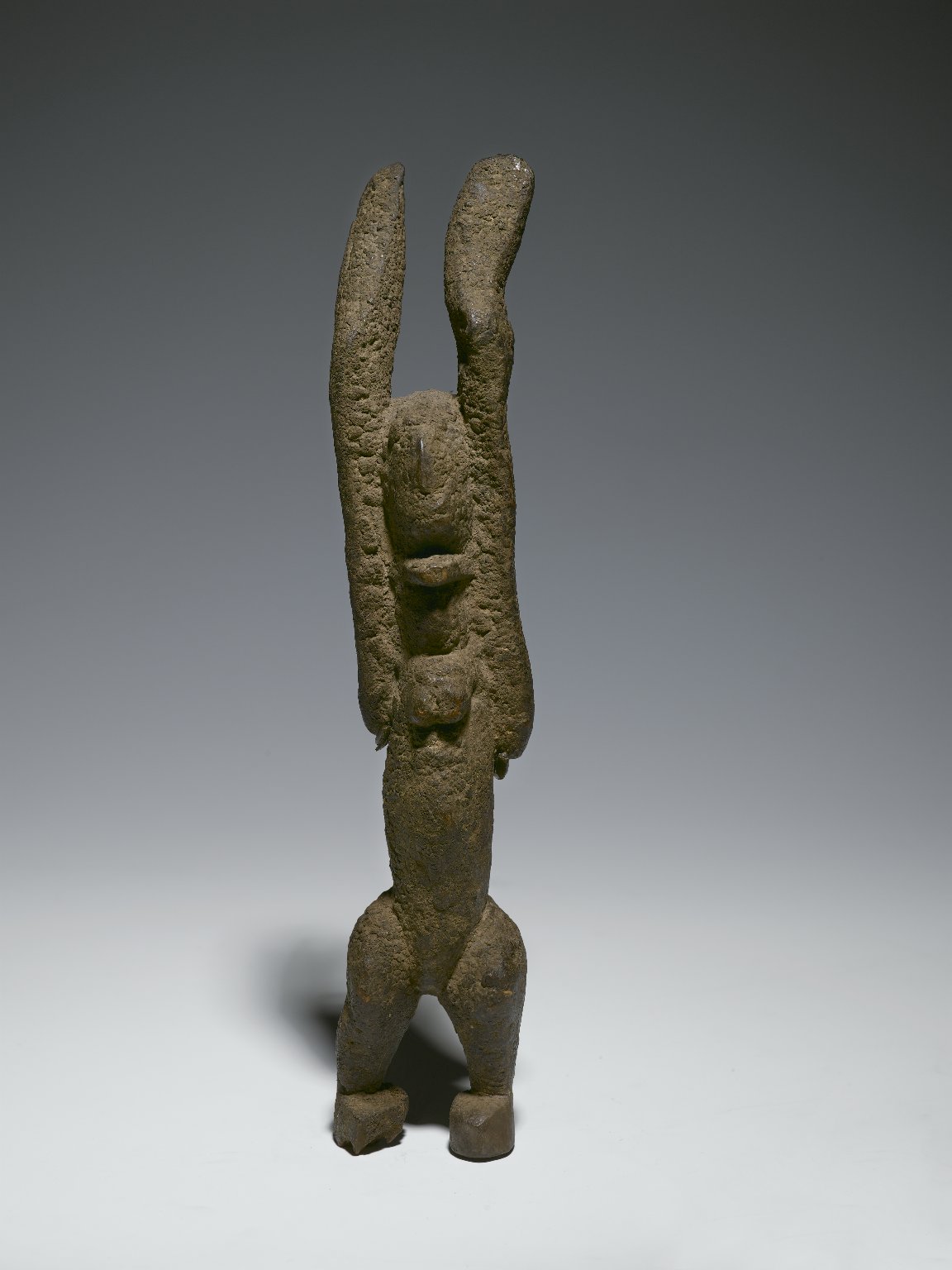 🇲🇱 MaliDogon religion
The traditional spiritual beliefs of the Dogon people of MaliTradition · Protection · Speaking with spirits and the dead Living
🇲🇱 MaliDogon religion
The traditional spiritual beliefs of the Dogon people of MaliTradition · Protection · Speaking with spirits and the dead Living
Photo credits on this page
The small pictures above come from Wikimedia Commons under free licences. Some are cropped to fit.
- Marabout: Jan Broekhuijse, CC BY-SA 3.0, source
The weekly digest
Every Monday: seven entries you may not know, what is on the calendar this week, and one rite drawn step by step.