🇮🇶 Magic in Iraq
10 entries from Iraq, best known first, across 6 places of magic.
Yazidism is a monotheistic faith rooted in ancient Iranian traditions and shaped by the teachings of Sheikh Adi. It centers on one God who delegates worldly governance to seven angels, led by Tawûsî Melek. The religion emphasizes sacred elements like fire and water, and believes in soul rebirth.
- Tawûsî Melek leads seven angels created from divine light
- Sheikh Adi’s tomb at Lalish is the central pilgrimage site
- Followers face the sun during prayer as an act of reverence
- Soul rebirth is described metaphorically as changing garments
- Three floods of water, fire, and air purify the world
Overview
This tradition blends pre-Islamic Kurdish beliefs with later Sufi mysticism. Followers view their faith as an independent path distinct from neighboring Islam or Christianity. Central to their worldview is a single creator who remains hidden yet sustains all existence through emanations. The community identifies strongly with its unique cosmology, which places great importance on natural elements and celestial bodies. Unlike surrounding groups, Yazidis do not see their primary angelic figure as evil, rejecting external labels that misidentify their theology.
Practices and beliefs
Devotion involves facing the sun during prayer, reflecting the reverence for light and warmth. Sacred texts known as qewls are recited to honor divine names and recount creation myths. Followers treat fire, water, air, and earth as pure forces that must not be defiled. Ritual purity is maintained through specific behavioral codes and avoidance of pollution. Divination and oral transmission of hymns play key roles in preserving religious knowledge across generations.
Rites and charms
The holiest site is the tomb of Sheikh Adi at Lalish, where pilgrims gather annually. Ceremonies often involve communal singing of qewls and processions around sacred spaces. Initiates undergo rites of passage that mark spiritual growth within the caste structure. Purification rituals may use water or smoke to cleanse participants before worship. Life events such as births and marriages are blessed by priests to ensure divine favor and protection.
Who practises
Leadership falls into three castes: Sheikhs handle spiritual duties, Pirs manage pastoral care, and Murids form the lay base. Priests are chosen through hereditary lines, tracing back to Sheikh Adi’s descendants. These figures guide communities in ritual matters and interpret sacred laws. Laypeople support the clergy through offerings and participation in festivals. Spiritual authority is respected deeply, with priests acting as intermediaries between the divine and the faithful.
Regions and communities
Communities are primarily found in Kurdistan, particularly in Iraq and Syria. Historical persecution has scattered populations globally, creating diaspora groups in Europe and North America. Regional variations exist in dialect and minor ritual details, but core beliefs remain consistent. Isolated villages preserve older customs less influenced by modernization. Urban centers adapt practices to fit contemporary legal and social frameworks while maintaining traditional identity.
The calendar
Annual gatherings at Lalish mark the most significant festival, drawing thousands of pilgrims. Seasonal changes influence rituals tied to agricultural cycles and natural phenomena. Births, weddings, and deaths are marked by specific prayers and communal meals. The calendar also includes days dedicated to remembering historical disasters believed to purify the world. These events reinforce communal bonds and reconnect followers with their cosmic history.
Law and the state
Yazidis have faced centuries of violence due to misunderstandings about their beliefs. Colonial and local authorities often labeled them devil-worshippers, leading to massacres and forced conversions. Modern states vary in their recognition; some grant minority rights while others impose restrictions. International advocacy has raised awareness, yet security remains fragile in conflict zones. Legal protections are uneven, leaving communities vulnerable to renewed persecution during political instability.
Today
Diaspora communities maintain traditions abroad through cultural associations and religious schools. Tourism to Lalish supports local economies but raises concerns about commercialization. Younger generations navigate dual identities, balancing modern life with ancestral duties. Digital platforms help spread religious education and connect dispersed believers. Efforts to document oral histories and protect sites continue amid ongoing geopolitical challenges.
The facts in this overview come from the Wikipedia article "Yazidism", written by its contributors and used under the CC BY-SA 4.0 licence. EveryJaadu rewrote the text in its own words, with AI assistance, and compares every page with the article to make sure no passage is copied. It may be reused under the same CC BY-SA 4.0 licence with a link back.
 🇮🇶 Iraq and 1 moreRabisu
A wind spirit in Akkadian myth sent to correct human transgressionsBeing · Cursing and harm · Cleansing and purification Historical
🇮🇶 Iraq and 1 moreRabisu
A wind spirit in Akkadian myth sent to correct human transgressionsBeing · Cursing and harm · Cleansing and purification Historical
 🇦🇫 Afghanistan and 2 moreAbu Ma'shar al-Balkhiابومَعْشَر جعفر بن محمد بن عمر بلخی
A Persian astrologer whose manuals shaped medieval European and Islamic celestial studiesText · Seeing and foretelling · Power and authority Historical
🇦🇫 Afghanistan and 2 moreAbu Ma'shar al-Balkhiابومَعْشَر جعفر بن محمد بن عمر بلخی
A Persian astrologer whose manuals shaped medieval European and Islamic celestial studiesText · Seeing and foretelling · Power and authority Historical
 🇮🇷 Iran and 2 moreJabir ibn Hayyanجابِر بِن حَيّان
A legendary Islamic alchemist and philosopher whose writings shaped medieval magic and chemistryText · Power and authority · Wonder and entertainment Historical
🇮🇷 Iran and 2 moreJabir ibn Hayyanجابِر بِن حَيّان
A legendary Islamic alchemist and philosopher whose writings shaped medieval magic and chemistryText · Power and authority · Wonder and entertainment Historical
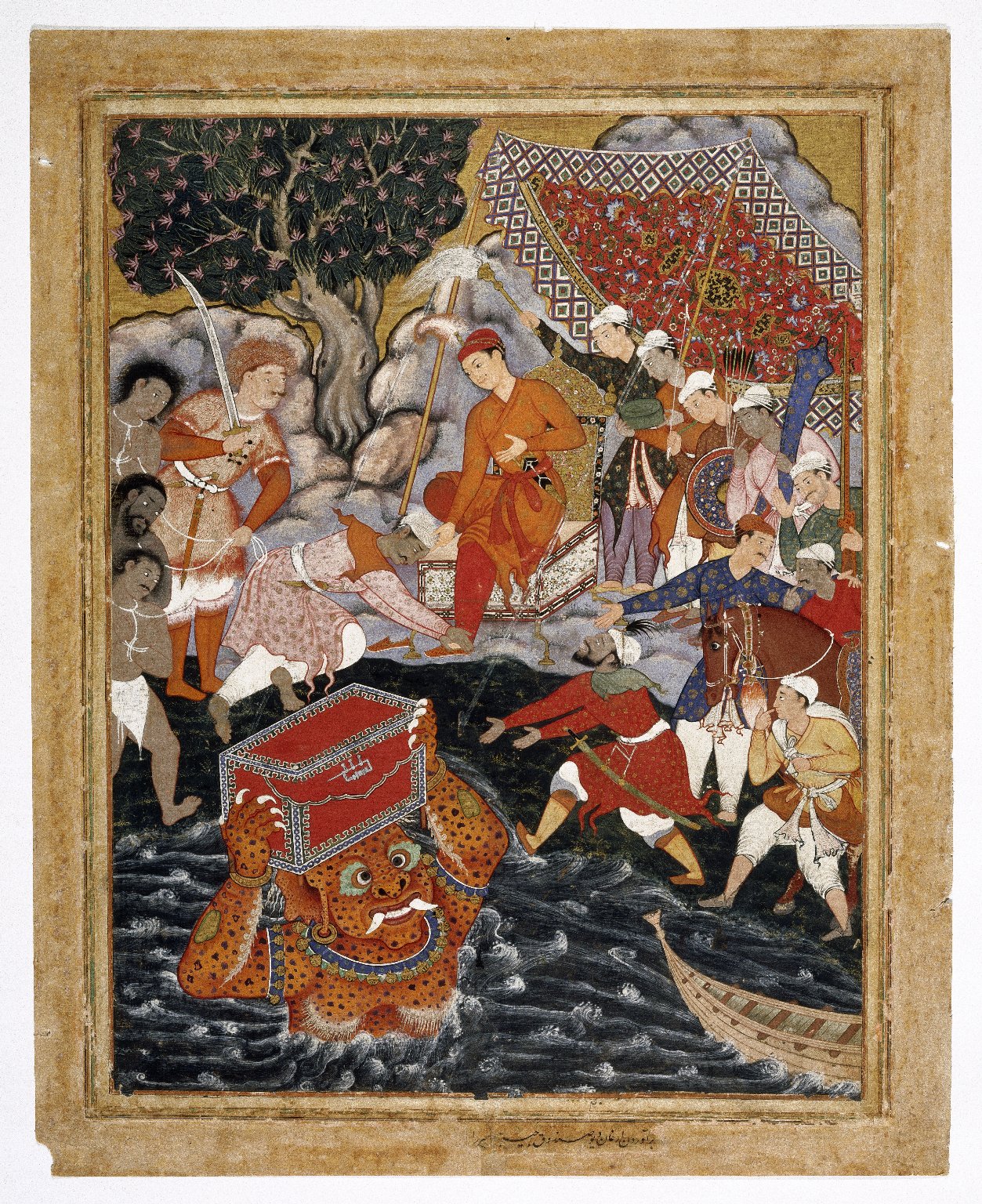 🇪🇬 Egypt and 3 moreIfritعفريت
A class of powerful chthonic spirits in Islamic tradition and folkloreBeing · Cursing and harm · Power and authority Historical
🇪🇬 Egypt and 3 moreIfritعفريت
A class of powerful chthonic spirits in Islamic tradition and folkloreBeing · Cursing and harm · Power and authority Historical
 🇮🇷 Iran and 5 moreMagi
Priests of Zoroastrianism and the figures who inspired the word for magicTradition · Seeing and foretelling · Power and authority Living
🇮🇷 Iran and 5 moreMagi
Priests of Zoroastrianism and the figures who inspired the word for magicTradition · Seeing and foretelling · Power and authority Living
Photo credits on this page
The small pictures above come from Wikimedia Commons under free licences. Some are cropped to fit.
- Rabisu: editor Austen Henry Layard , drawing by L. Gruner, Public domain, source
- Magi: Colijn de Coter, CC0, source
- Abu Ma'shar al-Balkhi: User:Martin Kraft, CC BY-SA 3.0, source
- Jabir ibn Hayyan: Unknown author, Public domain, source
- Ifrit: Unknown author, Public domain, source
The weekly digest
Every Monday: seven entries you may not know, what is on the calendar this week, and one rite drawn step by step.