🇬🇷 Magic in Greece
179 entries from Greece, best known first, across 80 places of magic.
Ancient Greek folklore rests on oral storytelling, musical performance, and communal ceremonies aimed at honoring the divine. These traditions ran alongside formal state religion, blending myth, legend, and everyday tales into a shared cultural fabric. Scholars note that these beliefs included ghost lore and urban narratives that have largely faded from modern circulation.
- Ancient Greeks shared many oral narrative genres with Roman neighbors.
- The aulos is a double-reed wind instrument used in folk music.
- Massilia practiced an annual rite expelling a chosen scapegoat.
- Classical scholars historically paid little attention to folklore studies.
- Ghost stories and urban legends circulated widely in ancient texts.
Overview
The folk traditions of ancient Greece wove together myth, legend, and everyday tales into a living oral culture. Storytellers passed down ghost accounts, urban legends, and fairy narratives that kept community memory alive. These customs operated alongside formal temple worship, offering a more personal way to engage with the unseen world. Musical performance formed a core part of this practice, appearing in work chants, drinking verses, and sacred hymns. The Greeks shared many narrative forms with their Roman neighbors, creating a broad Mediterranean tradition of oral belief. Academic study of these customs lagged behind classical scholarship, leaving much of the material to be reconstructed from scattered historical records.
Practices and beliefs
Daily life incorporated music as both entertainment and spiritual support. Communities used string instruments like the lyre and kithara, alongside the aulos, which is a double-reed wind tool. Songs accompanied labor, celebrations, and sleep routines. People also held beliefs about spirits of the dead, recording numerous ghost stories that blended fear with social commentary. These narratives functioned as early urban legends, warning listeners about moral boundaries and unexplained events. The oral nature of these practices meant they shifted with each telling, adapting to local needs without fixed written rules.
Rites and charms
Ceremonies centered on establishing contact with deities through structured offerings and public gatherings. Communities organized festivals and processions to show respect and seek favor. Animal sacrifices were standard, often involving carefully selected creatures deemed worthy of divine attention. Some city-states practiced a unique rite where a marginalized person was dressed in fine clothes and treated as important for a full year before being driven from the settlement. This expulsion ritual served as a communal cleansing act, redirecting potential misfortune away from the population.
Regions and communities
Folk customs varied across different settlements, reflecting local priorities and available resources. While most areas followed similar patterns of song and seasonal ceremony, certain cities developed distinct procedures. The coastal polis of Massilia stands out for its annual expulsion rite, which differed sharply from standard sacrificial methods found elsewhere. Neighboring cultures adopted many of these narrative forms, showing how trade and migration spread oral traditions across the Mediterranean. Regional differences mainly appeared in the selection of ritual participants and the specific instruments favored for local performances.
The facts in this overview come from the Wikipedia article "Ancient Greek folklore", written by its contributors and used under the CC BY-SA 4.0 licence. EveryJaadu rewrote the text in its own words, with AI assistance, and compares every page with the article to make sure no passage is copied. It may be reused under the same CC BY-SA 4.0 licence with a link back.
Places of magic in Greece
 🇬🇷 GreecePasiphaëΠασιφάη
A Cretan queen and solar goddess cursed with lust for a bull, mother of the MinotaurFigure · Wonder and entertainment Legendary
 🇬🇷 GreecePhoebeΦοίβη (Phoíbē)
A Titaness of prophecy and the original keeper of the Delphic oracleFigure · Seeing and foretelling Legendary
 🇬🇷 GreeceMares of DiomedesΔιομήδους ἵπποι
Man-eating horses from Greek myth, captured by Heracles as his eighth labourBeing · Cursing and harm Legendary
 🇬🇷 GreeceNecklace of Harmonia
A cursed golden adornment from Greek myth that brought ruin to the House of ThebesCharm · Cursing and harm Legendary
 🇬🇷 GreeceHecatoncheiresἙκατόγχειρες
Three giant brothers of Greek myth, each with fifty heads and a hundred armsBeing Legendary
 🇬🇷 GreeceEurynomosΕὐρύνομος
An ancient Greek underworld spirit said to strip corpses down to bone.Being Legendary
 🇬🇷 GreeceTalosΤάλως
A bronze automaton that guarded Crete from invaders and piratesBeing · Protection Legendary
 🇬🇷 GreeceHorkosὍρκος
A Greek divine personification of the curse that follows a broken oathFigure · Cursing and harm Legendary
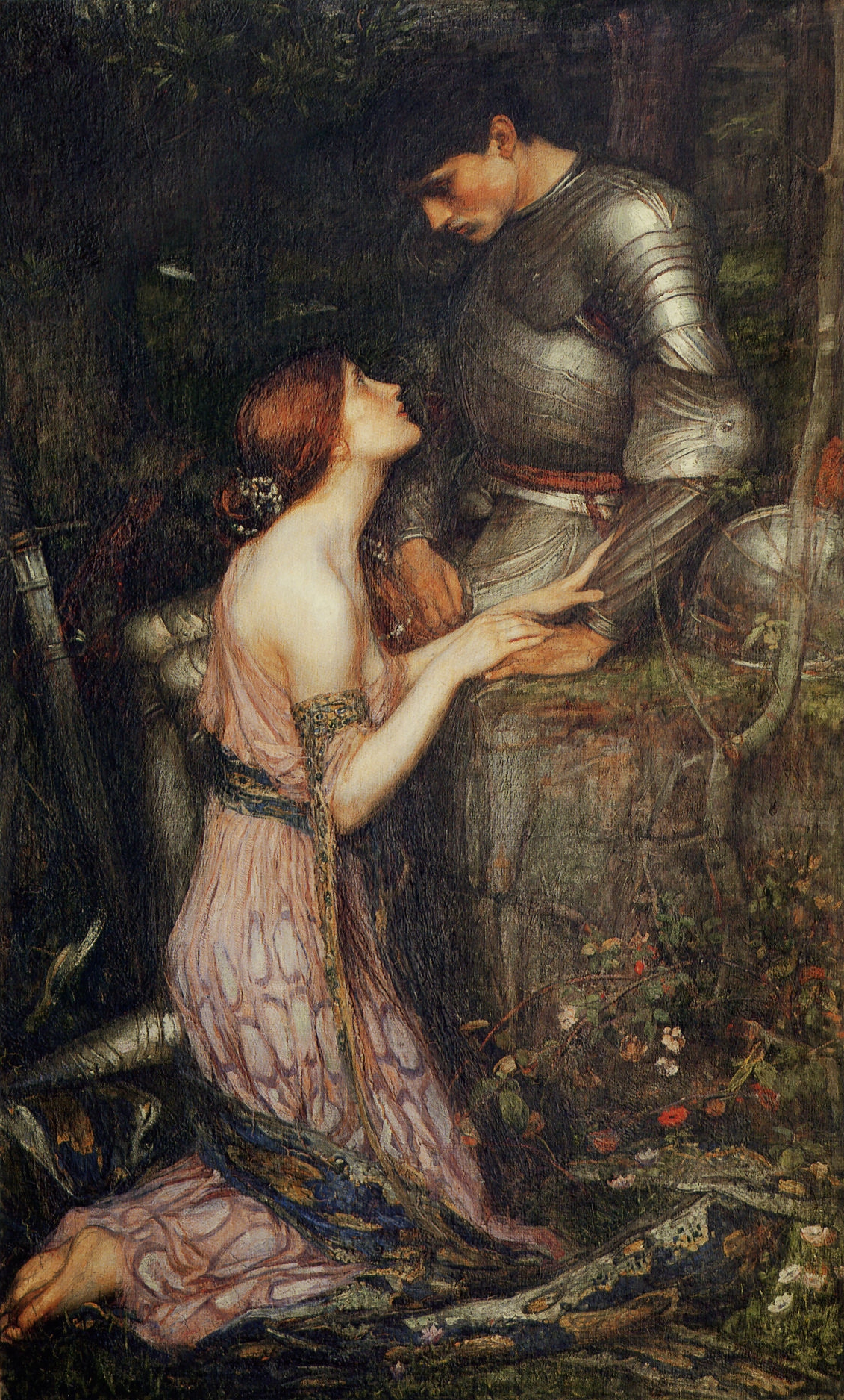 🇱🇾 Libya and 2 moreLamiaΛάμια
A child-snatching monster and night phantom from ancient Greek mythBeing · Cursing and harm · Seeing and foretelling Legendary
 🇪🇬 Egypt and 1 moreHypnalis
A legendary snake from medieval bestiaries that kills in sleepBeing · Cursing and harm Legendary
🇬🇷 GreeceNeadesΝηάς, Νηάδες
Gigantic legendary creatures of Samos whose voices were said to cause earthquakesBeing · Cursing and harm Legendary
Photo credits on this page
The small pictures above come from Wikimedia Commons under free licences. Some are cropped to fit.
- Hecate: Henryk Siemiradzki, Public domain, source
- Lamia: John William Waterhouse, Public domain, source
- Pasiphaë: ArchaiOptix, CC BY-SA 4.0, source
- Phoebe: Olivierw, Public domain, source
- Mares of Diomedes: Unknown author, CC BY-SA 3.0, source
- Necklace of Harmonia: Marie-Lan Nguyen, Public domain, source
- Hecatoncheires: Unknown author, Public domain, source
- Hypnalis: Werner Seiler ( User:Centine ), Public domain, source
- Talos: Unknown artist, Public domain, source
- Horkos: Furienmeister, Public domain, source
The weekly digest
Every Monday: seven entries you may not know, what is on the calendar this week, and one rite drawn step by step.