Pagan and Neopagan: magic in this belief world
Ancient pagan religions, and the modern revival: Wicca, Druidry, Heathenry.
Pagan and Neopagan traditions include the religions of the ancient world, such as Greek, Roman, Norse and Celtic, which survive in fragments, and the modern revival: Wicca, Druidry, Heathenry, Hellenism and Rodnovery. Pagan was a Christian word for the non-Christian. Today many people use it for themselves. This page covers the modern and ancient strands and why they are often confused. Neopaganism is now one of the fastest-growing religious minorities in several Western countries.
Ancient and modern
Ancient pagan religions were state and household religions with temples, sacrifices, oracles and magic. They were replaced or suppressed with the spread of Christianity from the fourth century. Modern Paganism began in the twentieth century: Gerald Gardner's Wicca in the 1950s, Druid orders from the eighteenth century, and Heathen groups in Iceland, Scandinavia and North America. They are new religions drawing on old sources. Ancient religions in Greece, Rome and Egypt had priesthoods and temples, and oracles such as Delphi and Siwa drew visitors from far away.
A contested past
Margaret Murray's 1921 claim that witch trials hit a surviving pagan religion shaped the early movement, and was later rejected by historians such as Norman Cohn and Ronald Hutton. Modern Pagans now often accept their traditions as created and revived, and speak of inspiration. Some Heathen groups have been linked to racist movements, which most Heathens condemn. Wicca is a religion with initiation, a god and goddess and a yearly cycle of eight festivals, while Druidry, Heathenry and others have their own forms.
Gender, law and community
Wicca and Goddess movements gave women priestly roles, and many covens are led by women. Pagans have faced discrimination and moral panics, including the Satanic panic of the 1980s. In Britain, the last Witchcraft Act was replaced in 1951. In Iceland the Asatru Fellowship has been recognised since 1973. Pagan chaplains now serve in prisons and the armed forces in some countries. Many Pagans see themselves as part of an environmental and feminist movement, and others focus on ancestral heritage.
Commerce and ethics
Pagan books, tarot, crystals and festivals are a large market. Wicca borrows from many cultures, which raises questions of appropriation, and some Pagans work to credit sources. Scholars call the field a case study in how religion is invented. Pagans themselves often say that what matters is practice and community. Scholars regard Paganism as part of the religious landscape and no longer as a curiosity, and Pagan studies has become an academic field.
Pagan and Neopagan on EveryJaadu
The entries written up so far, best known first.
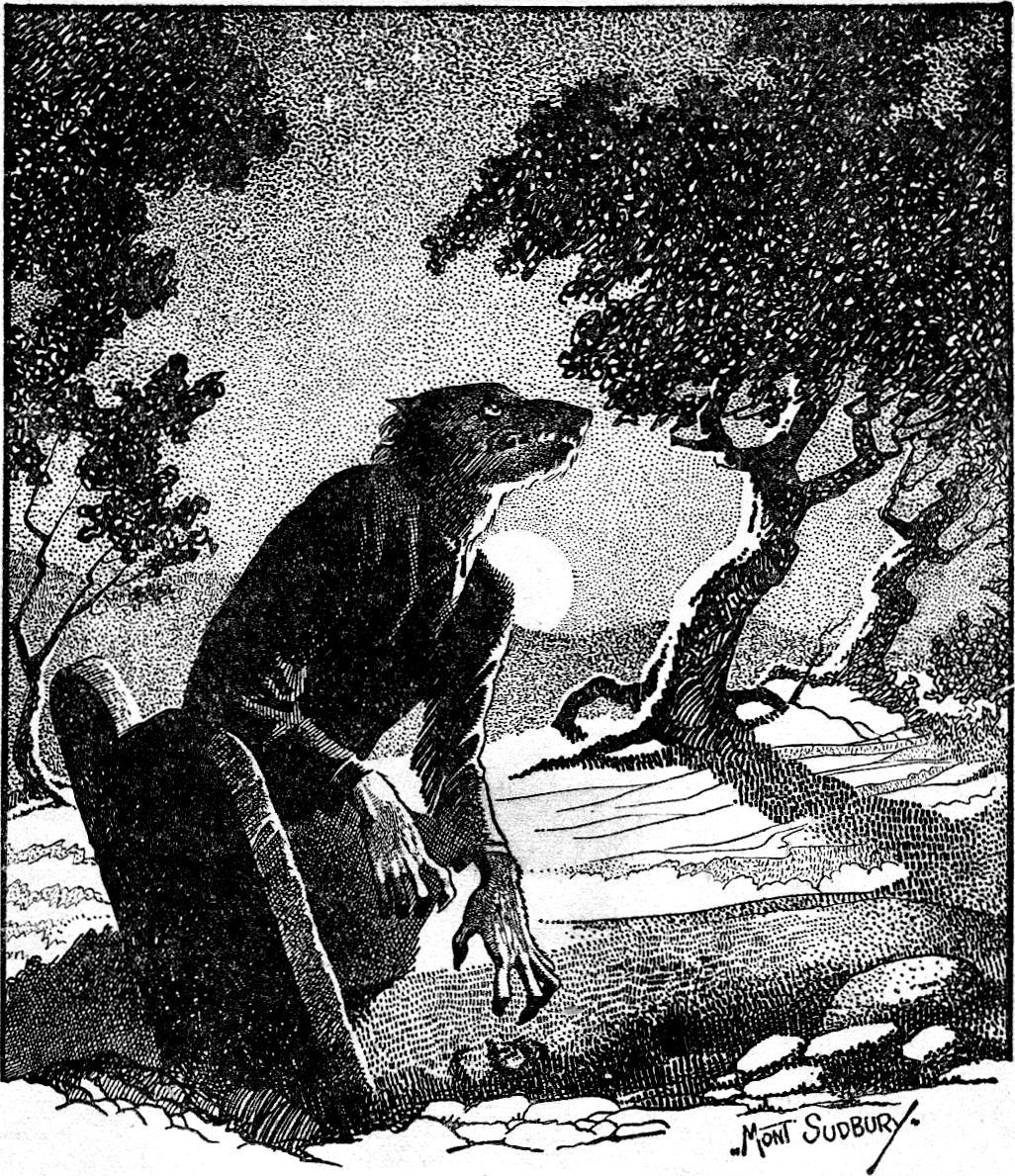 🇨🇭 Switzerland and 5 moreWerewolf
A figure in folklore who transforms into a wolf or hybrid beastFigure · Cursing and harm Legendary
🇮🇹 Italy and 1 moreAradia
A figure of Italian folklore and modern pagan witchcraft, seen as a teacher of magic and liberation.Figure · Cursing and harm · Power and authority Revived
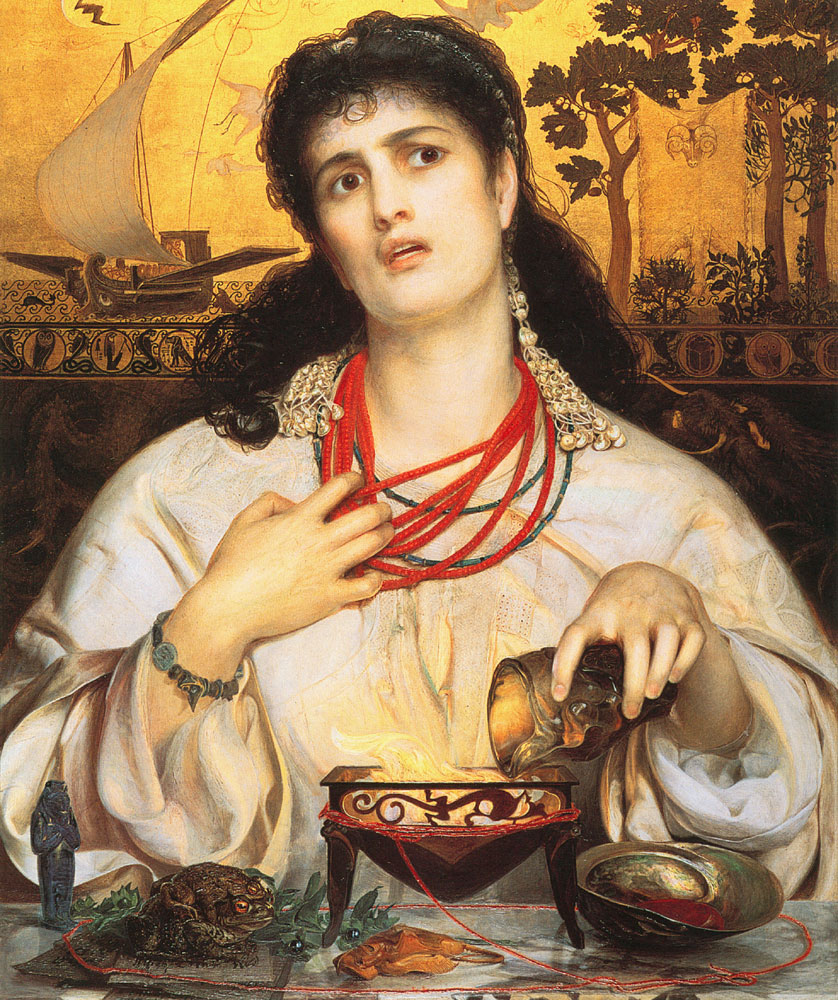 🇬🇷 GreeceMedeaΜήδεια
A sorceress and princess of Colchis who aids Jason and uses magic for revenge.Figure · Cursing and harm · Healing Legendary
 🇬🇷 GreeceNymphνύμφη
A nature spirit from Greek myth, tied to specific places like springs or trees, often seen as a maiden.Being · Healing · Seeing and foretelling Historical
 🇫🇷 France and 1 moreSebile
A medieval enchantress who evolved from a classical prophetess into an Arthurian fairy queenFigure · Love and attraction · Cursing and harm Legendary
 🇬🇧 United Kingdom and 1 moreWitchwiċċe
The English word for a magic-worker, from Old English wiċċe to WiccaFigure · Cursing and harm · Seeing and foretelling Living
🇮🇪 IrelandAibellAoibheall
A Munster goddess turned fairy queen, said to foretell deathsFigure · Seeing and foretelling · Cursing and harm Legendary
 🇬🇷 GreeceHorkosὍρκος
A Greek divine personification of the curse that follows a broken oathFigure · Cursing and harm Legendary
 🇹🇷 Turkey and 1 moreMidasΜίδας
A Phrygian king from Greek myth who gained a golden touch and donkey earsFigure · Luck and prosperity · Cursing and harm Legendary
 🇫🇷 FranceLou DrapéLo drapet
A legendary white horse from southern France that abducts wandering children.Figure · Cursing and harm · Protection Historical
Photo credits on this page
The small pictures above come from Wikimedia Commons under free licences. Some are cropped to fit.
- Medea: Frederick Sandys, Public domain, source
- Midas: The Midas Painter, CC BY-SA 4.0, source
- Lou Drapé: Morburre, CC BY-SA 3.0, source
- Nymph: Unknown author, Public domain, source
- Sebile: tony_57, CC BY 3.0, source
- Werewolf: Mont Sudbury, Public domain, source
- Witch: John William Waterhouse, Public domain, source
- Horkos: Furienmeister, Public domain, source