Portal (magic trick)
A stage illusion where the magician and a volunteer vanish to appear in a distant location.
David Copperfield performs this effect by transporting himself and an audience member to a remote site like Hawaii or Australia. The act uses video technology to create the appearance of instant travel before they return to the stage.
- Performed by David Copperfield between 2000 and 2008.
- Volunteers disappear and reappear at distant landmarks.
- Uses video feeds to simulate instant travel.
- Featured in the 2001 TV special Tornado of Fire.
- Locations included Hawaii and the Hoover Dam.
What it is
The Portal is a theatrical illusion created by David Copperfield. It involves the sudden disappearance of the magician and a chosen spectator from the stage. They then reappear together at a distant landmark, such as the Hoover Dam or a beach in Hawaii. The routine relies on advanced video technology to simulate physical travel across vast distances. This effect serves as a centerpiece for entertainment, demonstrating technical mastery over perception rather than supernatural power. The audience witnesses a seamless transition that defies normal spatial constraints through careful production design.
Where it comes from
Copperfield introduced this specific routine during his live performances starting in the year 2000. He continued to feature it in his shows until the summer of 2007. After a brief pause, he revived the effect later that same year, running it through the spring of 2008. The illusion was also broadcast in a television special titled Copperfield: Tornado of Fire in 2001. These dates mark the primary period when the public saw this particular version of the transportation trick performed.
Tools and materials
The illusion depends heavily on high-definition video cameras and projection screens. The setup allows for real-time transmission of the magician and volunteer to a faraway site. Physical props include letters, photographs, and markers used as proof of authenticity. Atmospheric effects like artificial mist and water spray enhance the arrival sequence. These elements combine to create a convincing narrative of travel without leaving the theater.
Portal (magic trick), drawn and placed
- Living
- Revived
- Fading
- Historical
- Legendary
- Performed
What it is for
This effect is designed purely for wonder and entertainment. It aims to astonish the audience by making the impossible seem plausible. The routine creates a shared experience between the performer and the volunteer. Viewers are invited to imagine visiting iconic global landmarks instantly. The goal is to evoke awe through technological spectacle rather than any spiritual or magical intent.
Who does it
David Copperfield is the sole creator and performer associated with this specific routine. He is a professional illusionist known for large-scale spectacles. His training involves rigorous practice in timing, camera angles, and stage management. The role requires precise coordination with technical crews to ensure the video feed aligns perfectly with the live action. Only experienced magicians can manage the complex logistics required for such a grand effect.
Peoples and places
The routine has been presented to international audiences across various countries. Specific locations featured in the illusion include sites in the United States and Oceania. Australian venues have hosted performances of this effect. The choice of destination often reflects popular tourist spots recognizable to a global viewership. This broad appeal helps the illusion resonate with diverse cultural backgrounds.
At a glance: who, where and when
Who does it
What people believe
There is no underlying belief system attached to this performance. It is understood as a piece of engineering and theatrical artifice. Audiences know they are watching a trick constructed from lights, cameras, and editing. The effect does not claim to involve spirits, deities, or hidden forces. It stands as a testament to human ingenuity in creating visual deception.
When it is done
The illusion was part of Copperfield's touring schedule from 2000 to 2008. It did not occur on specific religious holidays or seasonal festivals. Instead, it was performed during regular concert runs and televised specials. The timing was dictated by production availability and tour routes rather than any traditional calendar.
How scholars and sceptics see it
Scholars of performance art analyze this effect as a prime example of modern stagecraft. Researchers note how it utilizes mass media techniques within a live setting. Psychologists study how the brain processes the sudden shift in location. The routine challenges viewers' understanding of space and time. Critics appreciate the seamless integration of technology into traditional magic formats.
Cautions and what is closed
No significant risks or harms are associated with this performance. The use of video technology eliminates physical dangers for the volunteer. There are no reports of accidents or injuries linked to the illusion. The effect remains a safe form of entertainment focused on visual surprise rather than physical stunts.
Compare and confuse
Unlike older methods, it embraces digital communication tools. Other magicians have attempted similar long-distance effects, but Copperfield's version is distinct due to its scale and use of real-world landmarks. It shares DNA with other vanishing acts but stands apart through its reliance on broadcast technology.
Law and persecution
No legal issues or restrictions are noted regarding this performance. The use of video feeds and public landmarks falls within standard entertainment regulations. There are no known lawsuits or bans related to the illusion. The effect operates freely within the bounds of commercial theater and television production.
Questions people ask about Portal (magic trick)
What is the Portal magic trick?
It is an illusion by David Copperfield where he and a volunteer vanish from stage and appear at a remote location via video feed.
Where does the Portal trick take place?
The effect transports the pair to pre-selected sites like Hawaii, the Hoover Dam, or Australia, shown through live video links.
When was this trick performed?
Copperfield staged it from 2000 to summer 2007, and again from winter 2007 to spring 2008 in his live shows.
Good reading and sources
The facts on this page come from the Wikipedia article "Portal (magic trick)", written by its contributors and used under the CC BY-SA 4.0 licence, and from its Wikidata record (CC0). EveryJaadu rewrote the text in its own words, with AI assistance, and compares every page with the article to make sure no passage is copied. It may be reused under the same CC BY-SA 4.0 licence with a link back.
It may contain mistakes. Names and customs differ from one community to the next, and some knowledge is closed to outsiders and left out here. This page describes belief and practice. It does not say that any of it works, it is not a how-to, and it is not medical advice. If something is wrong, tell us. Last refreshed 2026-10-07.
More from Australia
All the entries from Australia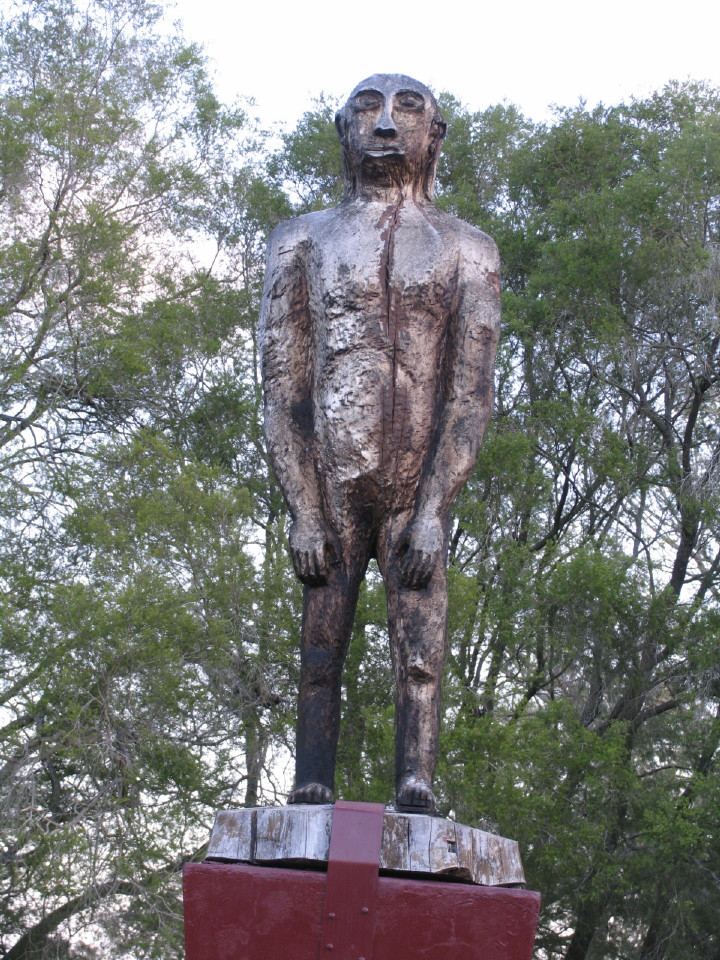 🇦🇺 AustraliaYowie
A hairy, bipedal creature of Australian folklore and cryptozoologyFigure · Wonder and entertainment Legendary
🇦🇺 AustraliaYowie
A hairy, bipedal creature of Australian folklore and cryptozoologyFigure · Wonder and entertainment Legendary
 🇦🇺 Australia and 1 moreTattoo
A permanent mark made by placing pigment under the skin to form a design.Tradition · Protection · Power and authority Living
🇦🇺 Australia and 1 moreTattoo
A permanent mark made by placing pigment under the skin to form a design.Tradition · Protection · Power and authority Living
 🇦🇺 AustraliaRainbow Serpent
A creator spirit of water and land in Aboriginal Australian mythologyBeing · Healing · Cursing and harm Living
🇦🇺 AustraliaRainbow Serpent
A creator spirit of water and land in Aboriginal Australian mythologyBeing · Healing · Cursing and harm Living
Related elsewhere
All illusion 🇬🇧 United Kingdom and 2 moreKing ArthurBrenin Arthur
A legendary British king and folk hero of medieval literature and Welsh mythologyFigure · Power and authority · Wonder and entertainment Legendary
🇬🇧 United Kingdom and 2 moreKing ArthurBrenin Arthur
A legendary British king and folk hero of medieval literature and Welsh mythologyFigure · Power and authority · Wonder and entertainment Legendary
 🇪🇬 Egypt and 1 moreSphinx
A mythical hybrid with a human head and lion body, serving as guardian or riddler in Egyptian and Greek traditions.Being · Protection · Wonder and entertainment Legendary
🇪🇬 Egypt and 1 moreSphinx
A mythical hybrid with a human head and lion body, serving as guardian or riddler in Egyptian and Greek traditions.Being · Protection · Wonder and entertainment Legendary
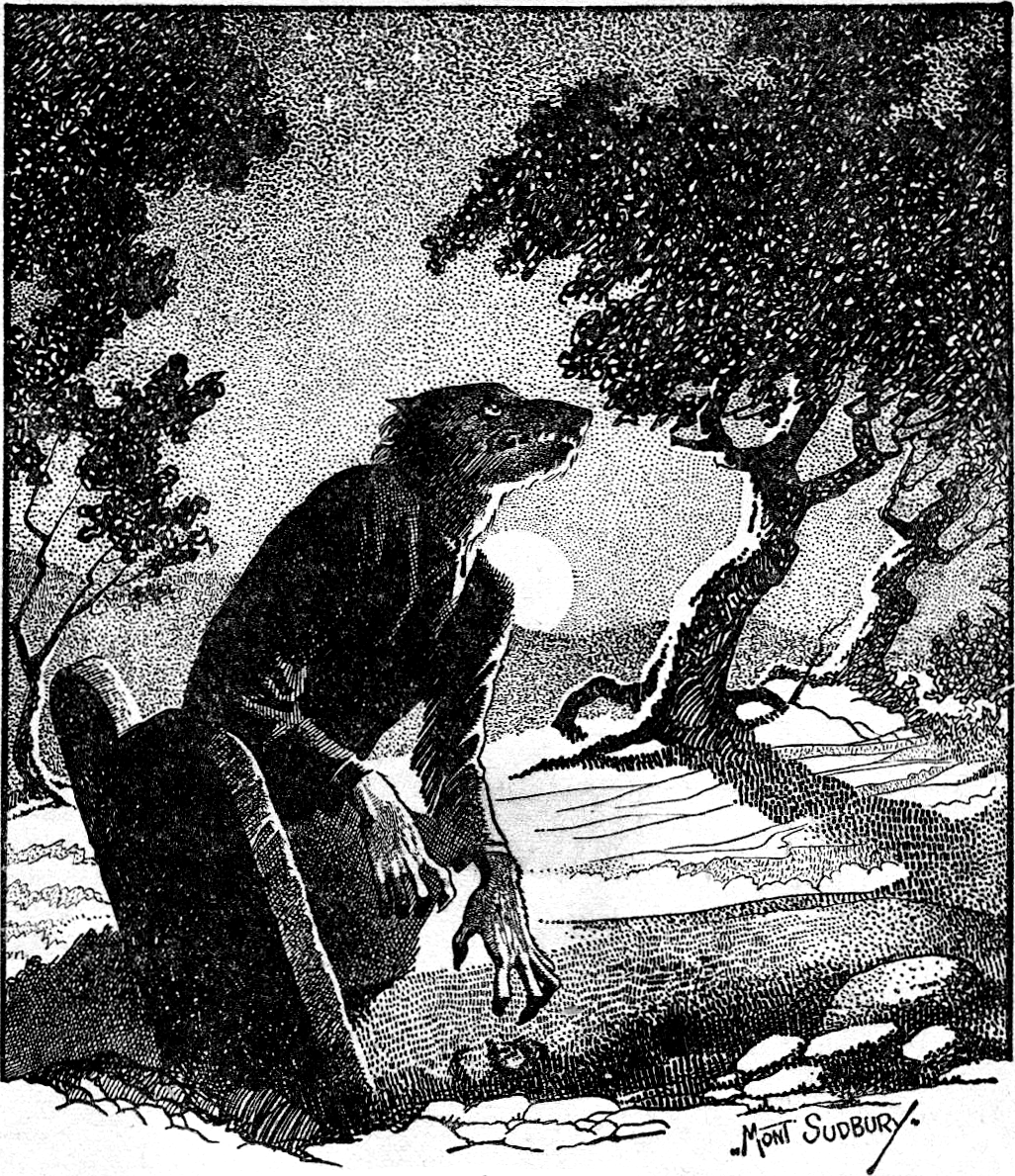 🇫🇷 France and 5 moreWerewolf
A mythical shapeshifter that turns into a wolf, central to European witch-hunts and Gothic horror.Being · Cursing and harm · Wonder and entertainment Legendary
🇫🇷 France and 5 moreWerewolf
A mythical shapeshifter that turns into a wolf, central to European witch-hunts and Gothic horror.Being · Cursing and harm · Wonder and entertainment Legendary
 🇬🇧 United KingdomBeltane Fire Festival
A modern Edinburgh performance celebrating the start of summer with fire and danceRite · Wonder and entertainment · Power and authority Living
🇬🇧 United KingdomBeltane Fire Festival
A modern Edinburgh performance celebrating the start of summer with fire and danceRite · Wonder and entertainment · Power and authority Living