
Pendle witches
A 1612 series of English witch trials that resulted in ten executions near Pendle Hill.
The Pendle witch trials occurred in Lancashire, England, in 1612. Twelve people were accused of using witchcraft to murder ten individuals. Ten were found guilty and hanged, marking one of the most famous and well-documented episodes of persecution in English history.
- Ten people were hanged in 1612 for witchcraft.
- Conflicts between the Device and Whittle families sparked the trials.
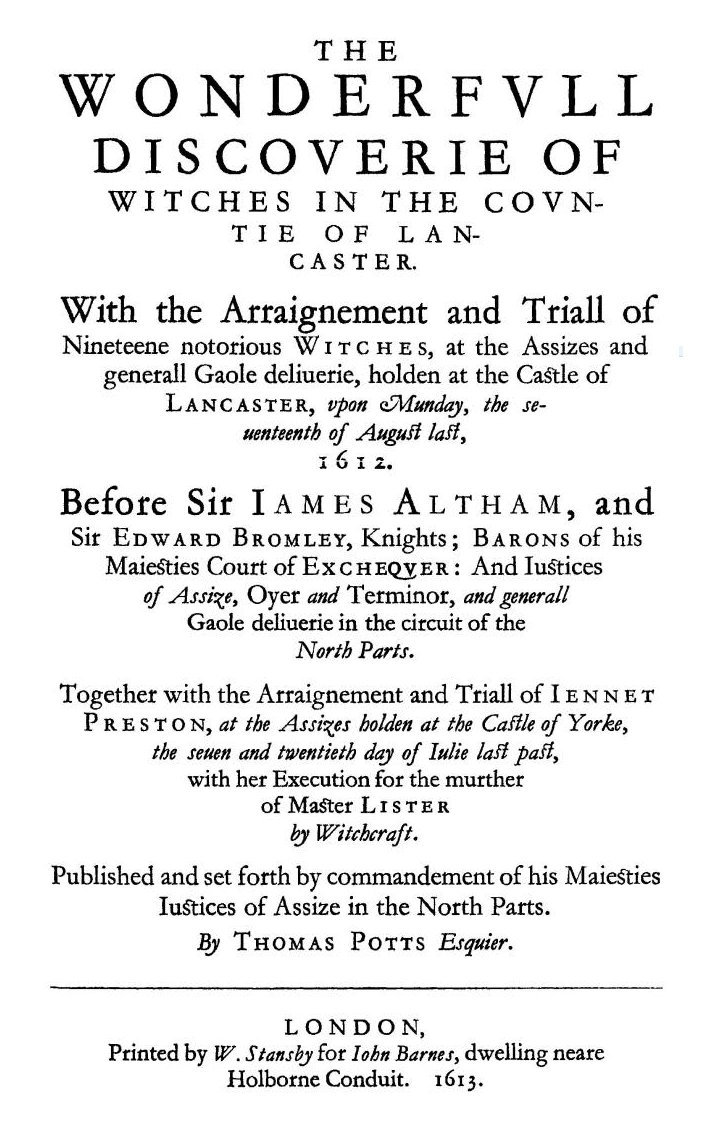
- Thomas Potts published an official record of the proceedings.
- Alizon Device's encounter with a pedlar triggered the investigation.
- Eleven defendants went to trial; ten were found guilty.
What it is
The Pendle witches refers to a specific group of twelve individuals from Lancashire, England, who were prosecuted for witchcraft in 1612. The accusations centered on maleficium, or causing harm through supernatural means. Local authorities charged them with murdering ten people. The case is notable for its detailed records and the high number of convictions relative to other English trials of the period. It represents a peak in the localized fear of sorcery during the early seventeenth century.
Where it comes from
The trials emerged from long-standing tensions between two families, the Devices and the Whittles, who lived near Pendle Hill. Both matriarchs, Elizabeth Southerns (Demdike) and Anne Whittle (Chattox), were elderly women known as village healers. Conflicts likely arose from competition for clients and local disputes. A specific incident involving Alizon Device asking a pedlar for pins triggered the investigation by Justice of the Peace Roger Nowell. This event escalated into a broader inquiry into local magical practices and family feuds.
How it is done
Accusations were gathered through interrogations by local magistrates. Witnesses provided testimonies regarding injuries and deaths they attributed to the accused. Confessions were extracted from several defendants, including claims of making pacts with demonic entities. A meeting at Malkin Tower expanded the list of suspects. The legal process involved committing the accused to gaol and trying them at the Assizes. Judges evaluated witness credibility and physical evidence, such as marks on the body.
Tools and materials
Metal pins were sought for healing warts and other magical purposes. Clay figures were reportedly made by some of the accused, possibly for sympathetic magic. Marks on the skin were interpreted as the Devil's mark, left after sucking blood. These items and signs were used as evidence in court to support claims of supernatural involvement in local illnesses and deaths.
Pendle witches, drawn and placed
- Living
- Revived
- Fading
- Historical
- Legendary
- Performed
What it is for
The primary intent behind the accusations was to address perceived harms inflicted upon the community. People believed the witches caused illness, death, and misfortune. The legal system sought to punish those responsible for these damages. For the accusers, it was a way to resolve personal grievances and settle old scores between families. The state aimed to enforce order and demonstrate the power of the law against perceived evil.
Who does it
Roger Nowell, a Justice of the Peace, led the initial investigations. He interviewed witnesses and suspects, compiling evidence for trial. Sir James Altham and Sir Edward Bromley presided over the Lancaster Assizes. They navigated complex political pressures from King James I, who had written extensively on witchcraft. The judges balanced legal procedure with the era's intense religious and political anxieties about sorcery and Catholic recusancy.
Peoples and places
The accused were rural English villagers living in a region considered remote and difficult to control. Lancashire had a history of religious tension following the dissolution of monasteries. Many locals remained Catholic while the state enforced Protestantism. This context influenced how authorities viewed nonconformists and those practicing folk magic. The trials reflected broader societal fears about hidden enemies within the community.
At a glance: who, where and when


What people believe
Contemporary beliefs held that witches could make pacts with the Devil to gain power over nature and people. Familiar spirits, often appearing as animals, were thought to assist witches. Harm caused by humans was attributed to these supernatural alliances. The legal framework required proof of actual damage, linking magic directly to criminal acts like murder. This view merged Christian theology with folk understanding of causality.
Cautions and what is closed
The trials resulted in the execution of ten people by hanging. One defendant died in prison before trial. Nine were executed at Lancaster and one at York. The events highlight the severe consequences of witchcraft accusations in early modern England. Families were destroyed, and communities were polarized by suspicion. The legal outcomes were final and irreversible, reflecting the gravity with which the state treated these crimes.
Compare and confuse
The Pendle cases are part of the wider Lancashire witch trials. They share similarities with other English prosecutions but are distinguished by their scale and documentation. Thomas Potts published an official account, ensuring their historical prominence. Unlike continental European trials, English courts required stricter proof of harm. The focus on family feuds distinguishes this case from many others driven by mass hysteria or inquisitorial methods.
Questions people ask about Pendle witches
Who were the Pendle witches?
They were twelve people from Lancashire accused of witchcraft in 1612. Most belonged to two families, the Devices and the Whittles. Ten were executed after being found guilty of causing harm through sorcery.
Where did the trials take place?
The trials occurred in England, specifically in Lancashire. The main hearings were held at Lancaster Assizes, with one defendant tried separately at York Assizes. The events centered around Pendle Hill.
Why were they accused?
They were accused of maleficium, causing death and injury through magic. Disputes between rival families and a conflict with a pedlar provided the immediate cause for investigation by local magistrates.
How many survived?
Of the eleven who stood trial, only one was found not guilty. Another died in prison before her trial. Ten were convicted and executed by hanging.
Good reading and sources
- Blake Morrison: under the witchesThe Guardian, Article
- The witch trial that made legal historyBBC, Article
The facts on this page come from the Wikipedia article "Pendle witches", written by its contributors and used under the CC BY-SA 4.0 licence, and from its Wikidata record (CC0). EveryJaadu rewrote the text in its own words, with AI assistance, and compares every page with the article to make sure no passage is copied. It may be reused under the same CC BY-SA 4.0 licence with a link back.
It may contain mistakes. Names and customs differ from one community to the next, and some knowledge is closed to outsiders and left out here. This page describes belief and practice. It does not say that any of it works, it is not a how-to, and it is not medical advice. If something is wrong, tell us. Last refreshed 2026-10-06.
More from the United Kingdom
All the entries from the United Kingdom 🇬🇧 United Kingdom and 2 moreKing ArthurBrenin Arthur
A legendary British king and folk hero of medieval literature and Welsh mythologyFigure · Power and authority · Wonder and entertainment Legendary
🇬🇧 United Kingdom and 2 moreKing ArthurBrenin Arthur
A legendary British king and folk hero of medieval literature and Welsh mythologyFigure · Power and authority · Wonder and entertainment Legendary
 🇬🇷 Greece and 5 moreCrossroads (folklore)
A junction between worlds where spirits are met and deals are madeBelief · Speaking with spirits and the dead · Cursing and harm Living
🇬🇷 Greece and 5 moreCrossroads (folklore)
A junction between worlds where spirits are met and deals are madeBelief · Speaking with spirits and the dead · Cursing and harm Living
 🇪🇸 Spain and 5 moreSt John's Eve
A Christian vigil marked by bonfires and plant gathering on the summer solstice eveRite · Protection · Speaking with spirits and the dead Living
🇬🇧 United KingdomGreen Children of Woolpit
A medieval English legend about two green-skinned siblings who appeared in a Suffolk village.Figure · Wonder and entertainment Legendary
🇪🇸 Spain and 5 moreSt John's Eve
A Christian vigil marked by bonfires and plant gathering on the summer solstice eveRite · Protection · Speaking with spirits and the dead Living
🇬🇧 United KingdomGreen Children of Woolpit
A medieval English legend about two green-skinned siblings who appeared in a Suffolk village.Figure · Wonder and entertainment Legendary
Related elsewhere
All belief 🇪🇬 Egypt and 1 moreLilithלִילִית
A feminine figure from Mesopotamian and Jewish mythology, often depicted as a night demon or spirit.Being · Cursing and harm Legendary
🇪🇬 Egypt and 1 moreLilithלִילִית
A feminine figure from Mesopotamian and Jewish mythology, often depicted as a night demon or spirit.Being · Cursing and harm Legendary
 🇪🇬 EgyptCurse
A spoken wish for misfortune to befall a person or placeBelief · Cursing and harm · Luck and prosperity Historical
🇪🇬 EgyptCurse
A spoken wish for misfortune to befall a person or placeBelief · Cursing and harm · Luck and prosperity Historical
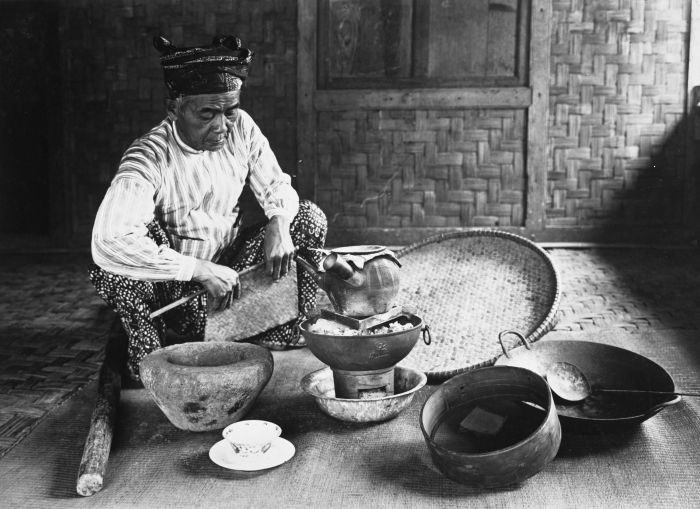 🇮🇩 Indonesia and 2 moreDukun
A traditional healer and spirit medium in Indonesian folk practiceTradition · Healing · Seeing and foretelling Living
🇮🇩 Indonesia and 2 moreDukun
A traditional healer and spirit medium in Indonesian folk practiceTradition · Healing · Seeing and foretelling Living
 🇮🇳 India and 5 moreHoliहोली
A Hindu spring festival marked by coloured powders and bonfires to celebrate love and virtue.Tradition · Love and attraction · Cursing and harm Living
🇮🇳 India and 5 moreHoliहोली
A Hindu spring festival marked by coloured powders and bonfires to celebrate love and virtue.Tradition · Love and attraction · Cursing and harm Living