Kumi Lizard
A legendary reptile from New Zealand folklore, said to be a giant monitor lizard.
The Kumi Lizard is a creature from New Zealand folklore believed by some to have been a giant monitor lizard. Sightings are reported among Maori communities and early European settlers, with accounts dating back to the late 19th century.
- Sighted by a Maori bushman in 1898, estimated at 1.5m long.
- Captain Cook was told of large arboreal lizards in Queen Charlotte Sound.
- Bones possibly belonging to the creature found near Hokianga in 1875.
- Footprints photographed near Mount Arowhana in 1898.
- Discussed in Robyn Gosset's book New Zealand Mysteries.
What it is
The Kumi Lizard is a figure in New Zealand folklore, described as a purported reptile that may have been a giant monitor lizard. It is part of the local mystery tradition, often discussed alongside other unexplained phenomena. The creature is said to have lived in the bushland areas of New Zealand, particularly feared by those who encountered it. Its existence is not confirmed by science but remains a topic of interest in cryptozoology and local legend.
Where it comes from
Accounts of the Kumi Lizard appear in various historical records and books on New Zealand mysteries. Robyn Gosset, in her work, cites a sighting from 1898 by a Maori bushman, describing a creature approximately 1.5 metres long. Earlier tales include reports attributed to Captain James Cook, who heard from Maori in Queen Charlotte Sound about large arboreal lizards. Other mentions include a 1875 discovery of bones near Hokianga and sightings near Gisborne and Mount Arowhana in 1898.
Kumi Lizard, drawn and placed
- Living
- Revived
- Fading
- Historical
- Legendary
- Performed
- Lineage
- New Zealand folklore
Peoples and places
The Kumi Lizard is primarily associated with Maori folklore and early European settlers in New Zealand. Maori people in Queen Charlotte Sound reportedly warned of these large lizards, viewing them with fear. The legends were recorded by later authors and researchers interested in local mysteries. The stories spread through oral tradition and written accounts, linking different regions like Hokianga, Gisborne, and Mount Arowhana.
At a glance: who, where and when
Peoples
What people believe
Belief in the Kumi Lizard stems from eyewitness reports and traditional knowledge. Some hold that these creatures were real animals, possibly monitor lizards, that once inhabited New Zealand. The fear mentioned in Cook's accounts suggests they were seen as dangerous. Photographs of footprints taken in 1898 are cited as evidence by believers, though no physical specimen has ever been found.
How scholars and sceptics see it
Scholars and researchers in cryptozoology examine these accounts as part of New Zealand's natural history mysteries. While no scientific evidence confirms the existence of a giant monitor lizard in recent times, the stories are studied for their cultural significance. Skeptics attribute the sightings to misidentification or folklore embellishment. The inclusion of certain accounts in later editions of mystery books shows how these legends evolve over time.
Compare and confuse
The Kumi Lizard is often compared to the Taniwha, another creature from Maori mythology. While Taniwha are typically water spirits or guardians, the Kumi is described as a terrestrial reptile. Both figures reflect the rich mythological landscape of New Zealand, where natural features and unseen beings are intertwined in local stories.
Today
Today, the Kumi Lizard remains a subject of interest for those exploring New Zealand's mysterious past. It appears in books and discussions about cryptids and local legends. The stories continue to circulate among enthusiasts of folklore and unexplained phenomena, keeping the memory of this alleged reptile alive in modern culture.
Questions people ask about Kumi Lizard
What is the Kumi Lizard?
It is a legendary reptile from New Zealand folklore, believed by some to be a giant monitor lizard that once lived in the country's bushlands.
Where does the name come from?
The term 'Kumi' is used in New Zealand folklore to refer to this specific creature, though its exact etymological roots are not detailed in standard sources.
Who reported seeing it?
Reports include accounts from Maori bushmen, Captain James Cook (via Maori informants), and witnesses in areas like Gisborne and Mount Arowhana.
Is there proof it existed?
No physical specimen has been found. Believers cite eyewitness accounts, bones found in 1875, and photographs of footprints from 1898 as evidence.
Good reading and sources
The facts on this page come from the Wikipedia article "Kumi Lizard", written by its contributors and used under the CC BY-SA 4.0 licence, and from its Wikidata record (CC0). EveryJaadu rewrote the text in its own words, with AI assistance, and compares every page with the article to make sure no passage is copied. It may be reused under the same CC BY-SA 4.0 licence with a link back.
It may contain mistakes. Names and customs differ from one community to the next, and some knowledge is closed to outsiders and left out here. This page describes belief and practice. It does not say that any of it works, it is not a how-to, and it is not medical advice. If something is wrong, tell us. Last refreshed 2026-10-07.
More from New Zealand
All the entries from New Zealand 🇳🇿 New ZealandPania
A sea maiden from Māori legend who became a symbol for Napier, New Zealand.Figure Legendary
🇳🇿 New ZealandPania
A sea maiden from Māori legend who became a symbol for Napier, New Zealand.Figure Legendary
 🇳🇿 New ZealandPatupaiarehe
Pale-skinned forest spirits of Māori mythology who live in mist and mountainsBeing · Speaking with spirits and the dead Legendary
🇳🇿 New ZealandPatupaiarehe
Pale-skinned forest spirits of Māori mythology who live in mist and mountainsBeing · Speaking with spirits and the dead Legendary
 🇳🇿 New Zealand and 5 moreFace tattoo
Marks inked on the face for spiritual protection, identity, rank, and rite of passageTradition · Protection · Power and authority Living
🇳🇿 New Zealand and 5 moreFace tattoo
Marks inked on the face for spiritual protection, identity, rank, and rite of passageTradition · Protection · Power and authority Living
 🇳🇿 New ZealandTaniwha
Supernatural beings of Māori lore, acting as guardians or dangerous predators in water and earthBeing · Protection · Cursing and harm Living
🇳🇿 New ZealandTaniwha
Supernatural beings of Māori lore, acting as guardians or dangerous predators in water and earthBeing · Protection · Cursing and harm Living
Related elsewhere
All figure 🇬🇧 United Kingdom and 2 moreKing ArthurBrenin Arthur
A legendary British king and folk hero of medieval literature and Welsh mythologyFigure · Power and authority · Wonder and entertainment Legendary
🇬🇧 United Kingdom and 2 moreKing ArthurBrenin Arthur
A legendary British king and folk hero of medieval literature and Welsh mythologyFigure · Power and authority · Wonder and entertainment Legendary
 🇪🇬 Egypt and 1 moreSphinx
A mythical hybrid with a human head and lion body, serving as guardian or riddler in Egyptian and Greek traditions.Being · Protection · Wonder and entertainment Legendary
🇪🇬 Egypt and 1 moreSphinx
A mythical hybrid with a human head and lion body, serving as guardian or riddler in Egyptian and Greek traditions.Being · Protection · Wonder and entertainment Legendary
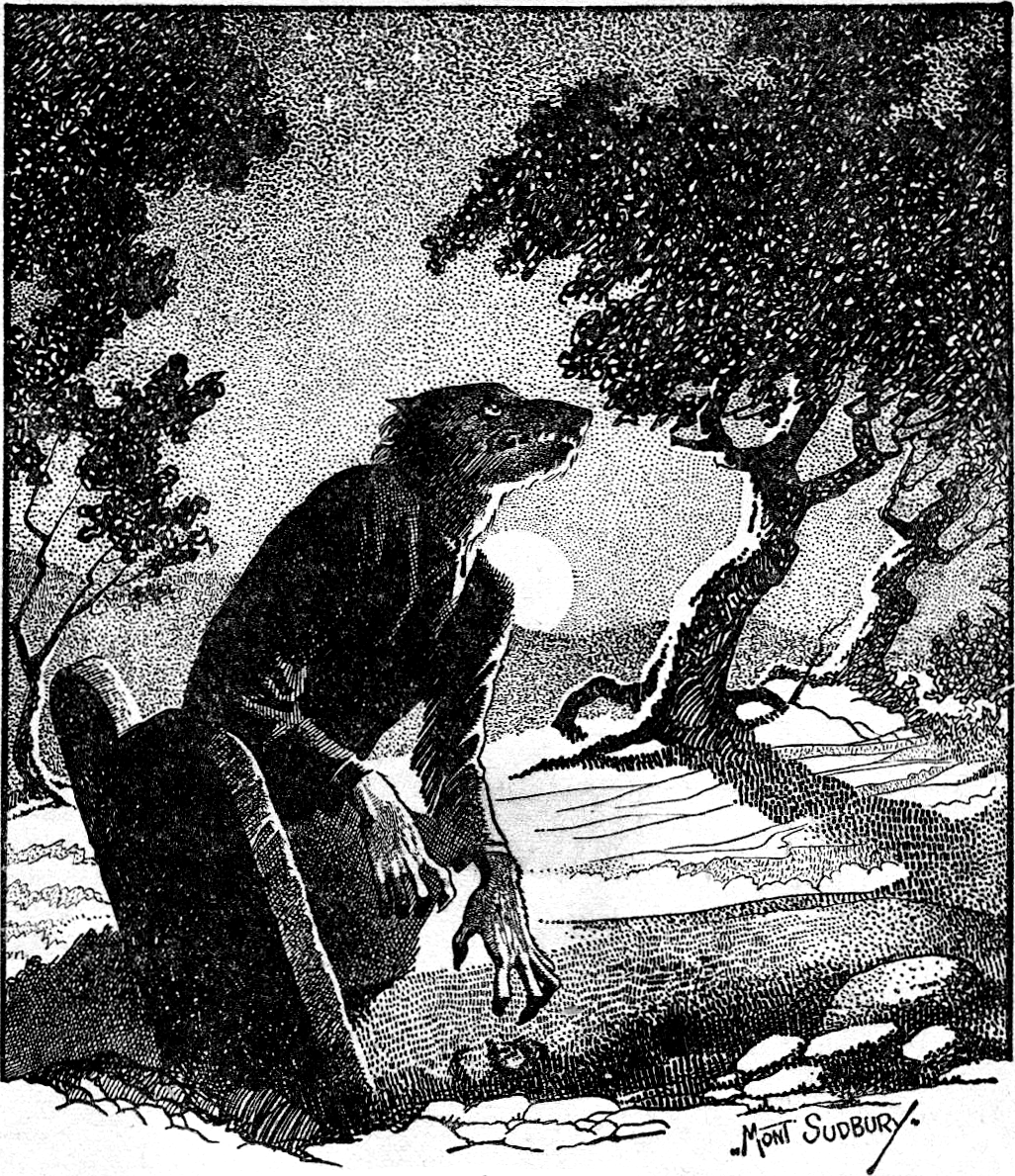 🇫🇷 France and 5 moreWerewolf
A mythical shapeshifter that turns into a wolf, central to European witch-hunts and Gothic horror.Being · Cursing and harm · Wonder and entertainment Legendary
🇫🇷 France and 5 moreWerewolf
A mythical shapeshifter that turns into a wolf, central to European witch-hunts and Gothic horror.Being · Cursing and harm · Wonder and entertainment Legendary
 🇬🇧 United KingdomBeltane Fire Festival
A modern Edinburgh performance celebrating the start of summer with fire and danceRite · Wonder and entertainment · Power and authority Living
🇬🇧 United KingdomBeltane Fire Festival
A modern Edinburgh performance celebrating the start of summer with fire and danceRite · Wonder and entertainment · Power and authority Living