Chromandi
Likely from Ancient Greek khrôma or Sanskrit; the rest is unclear
A legendary race of hairy people with dog teeth from medieval bestiaries
The Chromandi were a mythical race described in ancient and medieval texts as wild, hirsute beings with blue eyes and canine teeth. They are believed to have originated in North India, though their existence is purely legendary.
- Described as wild, hairy people with blue eyes
- Featured in Pliny the Elder's Natural History
- Possessed dog-like teeth and a voiceless scream
- Likely located in North India according to ancient sources
- Name may derive from Ancient Greek or Sanskrit
What it is
The Chromandi were a legendary race of people featured in medieval bestiaries and ancient sources. They are depicted as wild, hairy savages with distinctive blue eyes and sharp, dog-like teeth. These creatures were said to possess a horrible scream despite lacking a voice. The description appears in historical texts as part of the geographical and zoological knowledge of the time.
Where it comes from
The name's origin is unknown but likely stems from Ancient Greek or Sanskrit. Pliny the Elder recorded the race in his Natural History, citing Tauron, possibly a commander under Alexander the Great. This suggests a location in North India. The etymology may involve the Greek word khrôma, though the full meaning remains unclear.
Chromandi, drawn and placed
- Living
- Revived
- Fading
- Historical
- Legendary
- Performed
- Lineage
- Medieval bestiaries
How scholars and sceptics see it
Scholars view the Chromandi as mythical constructs rather than real peoples. The accounts blend ancient geographical reports with fantastical elements common in bestiaries. The connection to Alexander the Great’s circle places them in a historical context, but their physical traits mark them as legendary.
Compare and confuse
Similar mythical races appear in various ancient texts, often describing distant lands with strange inhabitants. The Chromandi share traits with other hirsute or beast-like figures found in medieval lore.
Questions people ask about Chromandi
What are the Chromandi?
They are a legendary race of hairy people with blue eyes and dog teeth, described in ancient and medieval texts.
Where did they come from?
Ancient sources place them in North India, based on accounts linked to Alexander the Great’s commanders.
Are they real?
No, they are mythical figures from bestiaries and historical writings, not actual human groups.
Good reading and sources
The facts on this page come from the Wikipedia article "Chromandi", written by its contributors and used under the CC BY-SA 4.0 licence, and from its Wikidata record (CC0). EveryJaadu rewrote the text in its own words, with AI assistance, and compares every page with the article to make sure no passage is copied. It may be reused under the same CC BY-SA 4.0 licence with a link back.
It may contain mistakes. Names and customs differ from one community to the next, and some knowledge is closed to outsiders and left out here. This page describes belief and practice. It does not say that any of it works, it is not a how-to, and it is not medical advice. If something is wrong, tell us. Last refreshed 2026-10-09.
More from India
All the entries from India 🇮🇳 IndiaNaropa
An Indian Buddhist master whose teachings shaped Tibetan Vajrayana practiceFigure · Change and initiation Historical
🇮🇳 IndiaNaropa
An Indian Buddhist master whose teachings shaped Tibetan Vajrayana practiceFigure · Change and initiation Historical
 🇳🇵 Nepal and 1 moreMatsyendranathMacchindranāth, Mīnanātha
A yogi and rain deity revered across Hindu and Buddhist traditions in South Asia.Figure · Speaking with spirits and the dead · Power and authority Living
🇳🇵 Nepal and 1 moreMatsyendranathMacchindranāth, Mīnanātha
A yogi and rain deity revered across Hindu and Buddhist traditions in South Asia.Figure · Speaking with spirits and the dead · Power and authority Living
 🇮🇳 India and 2 moreGorakhnathगोरक्षनाथ
A Hindu yogi and saint who founded the Nath monastic order in India.Figure · Power and authority · Speaking with spirits and the dead Living
🇮🇳 India and 2 moreGorakhnathगोरक्षनाथ
A Hindu yogi and saint who founded the Nath monastic order in India.Figure · Power and authority · Speaking with spirits and the dead Living
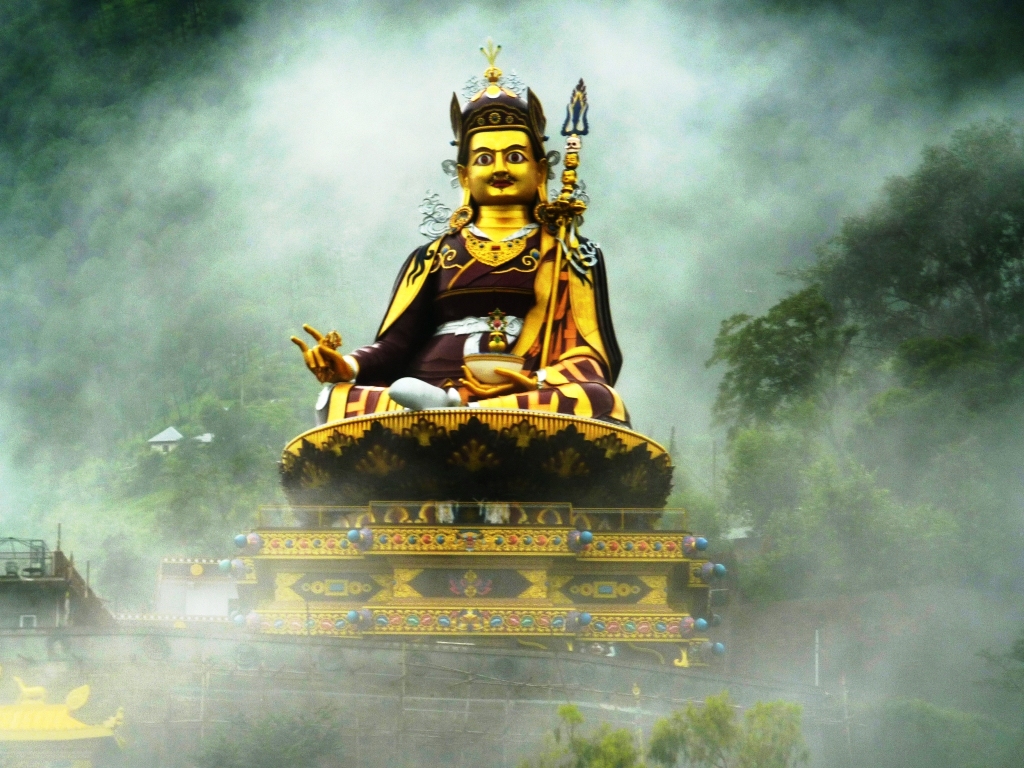 🇮🇳 India and 2 morePadmasambhavaཔདྨ་འབྱུང་གནས།
A tantric master credited with establishing Buddhism in Tibet and founding the Nyingma school.Figure · Protection · Power and authority Living
🇮🇳 India and 2 morePadmasambhavaཔདྨ་འབྱུང་གནས།
A tantric master credited with establishing Buddhism in Tibet and founding the Nyingma school.Figure · Protection · Power and authority Living
Related elsewhere
All figure 🇷🇸 Serbia and 5 moreVampire
An undead creature from folklore that feeds on the blood or life force of the livingBeing · Cursing and harm · Luck and prosperity Legendary
🇷🇸 Serbia and 5 moreVampire
An undead creature from folklore that feeds on the blood or life force of the livingBeing · Cursing and harm · Luck and prosperity Legendary
 🇬🇧 United Kingdom and 2 moreKing ArthurBrenin Arthur
A legendary British king and folk hero of medieval literature and Welsh mythologyFigure · Power and authority · Wonder and entertainment Legendary
🇬🇧 United Kingdom and 2 moreKing ArthurBrenin Arthur
A legendary British king and folk hero of medieval literature and Welsh mythologyFigure · Power and authority · Wonder and entertainment Legendary
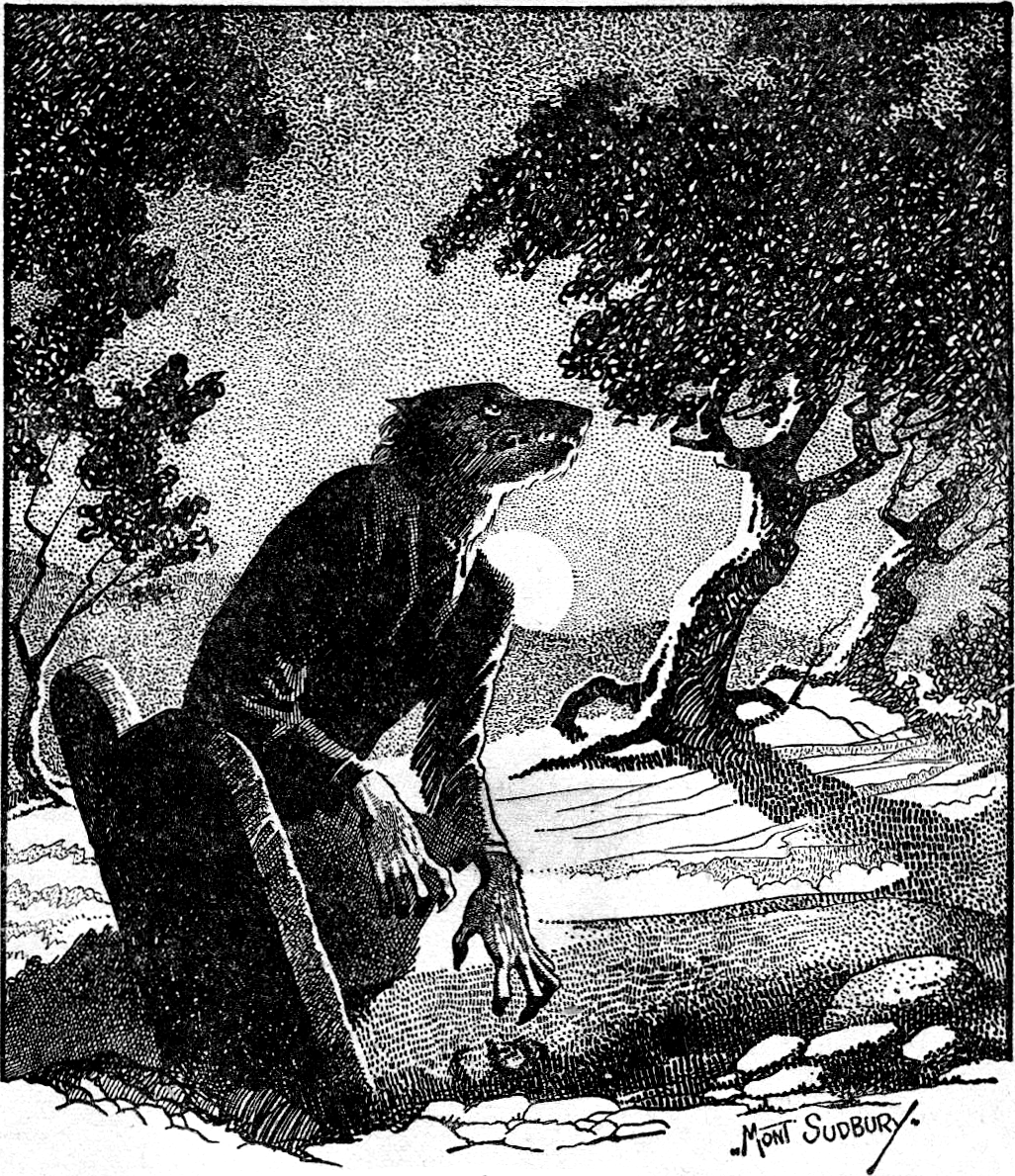 🇫🇷 France and 5 moreWerewolf
A mythical shapeshifter that turns into a wolf, central to European witch-hunts and Gothic horror.Being · Cursing and harm · Wonder and entertainment Legendary
🇫🇷 France and 5 moreWerewolf
A mythical shapeshifter that turns into a wolf, central to European witch-hunts and Gothic horror.Being · Cursing and harm · Wonder and entertainment Legendary
 🇪🇬 Egypt and 1 moreLilithלִילִית
A feminine figure from Mesopotamian and Jewish mythology, often depicted as a night demon or spirit.Being · Cursing and harm Legendary
🇪🇬 Egypt and 1 moreLilithלִילִית
A feminine figure from Mesopotamian and Jewish mythology, often depicted as a night demon or spirit.Being · Cursing and harm Legendary