Power and authority
Magic as kingship, priesthood and status: the sorcerer-king, the court astrologer, the rainmaker.
Magic as power and authority is the use of ritual to make or hold rank: kings with sacred duties, court astrologers, rainmakers, chiefs who are said to hold spiritual force, and priests who keep a state religion. It includes the Egyptian pharaoh, the Mongol shamans at the court of the khan, the Chinese Taoist masters, the Zulu and Shona spirit mediums, and the astrologers who advised Mughal and European rulers. This page asks how magic and politics feed each other. Where this happens, magic is less about individual wishes and more about who is allowed to speak for the unseen.
Sacred rulers
In many kingdoms the ruler was believed to hold a power linked to harvest, rain or victory. Pharaohs performed rites to keep order, and the Divine Right of kings in Europe included the royal touch, a rite by which French and English monarchs touched people with scrofula. Chinese emperors held the Mandate of Heaven, which natural omens could confirm or withdraw. The Mongol khans consulted shamans and diviners. Kings also commissioned astrologers to choose coronation dates.
Advisers and rivals
Courts employed diviners, astrologers and mages. John Dee advised Elizabeth I, and Indian and Persian kings kept court astrologers. Such advisers also faced risk: in Rome, astrologers were expelled several times, and accusations of sorcery were used to remove rivals at courts from Byzantium to Ming China. Magic offered influence to people with little formal rank. Sorcery charges were used against queens and ministers in several courts, and the fall of a favourite was often explained by a spell.
Resistance and the state
Spirit mediums have led resistance. In Zimbabwe, the spirit mediums Nehanda and Kaguvi were central to the 1896 uprising against British rule, and Nehanda was hanged in 1898. In Kenya and Tanzania, the Maji Maji rebellion of 1905 drew on a water said to protect against bullets. Colonial states responded with witchcraft ordinances, which often banned healers and protected nobody. In Africa, chiefs are often described as guardians of a land and its rain, and ruling families have held rites for the whole community.
Modern politics
Some leaders consult astrologers or healers, and political use of the occult is reported from India to Latin America. Accusations of witchcraft are used against opponents and in land disputes. Scholars read these links as part of how power is made visible and legitimate. Citizens may wish to ask who benefits when magic is used in public life. Many states now regulate healers and diviners, or use them for public health messages, which shows how much influence they still have.
Power and authority on EveryJaadu
The entries written up so far, best known first.
 🇮🇷 Iran and 2 moreBibliomancy
Divination by opening a book at random and reading the first passage foundOracle · Seeing and foretelling · Power and authority Living
🇮🇷 Iran and 2 moreBibliomancy
Divination by opening a book at random and reading the first passage foundOracle · Seeing and foretelling · Power and authority Living
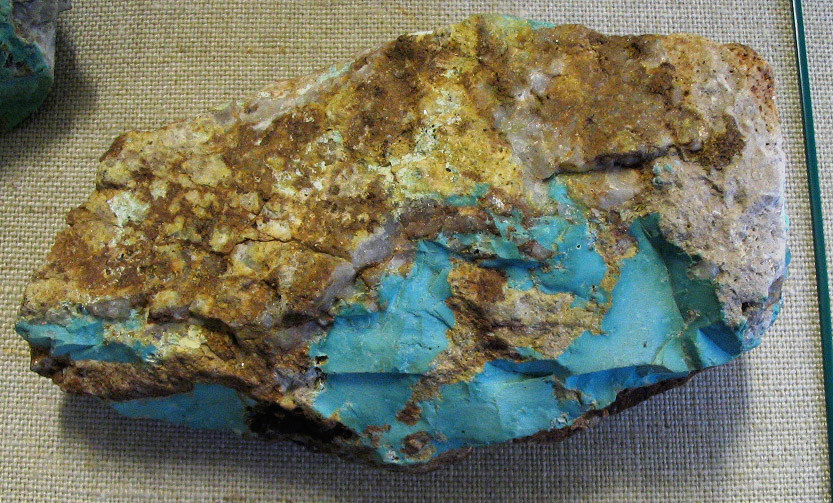 🇮🇷 Iran and 5 moreTurquoise
An opaque blue-green gemstone prized for its color since ancient timesSubstance · Protection · Luck and prosperity Living
🇮🇷 Iran and 5 moreTurquoise
An opaque blue-green gemstone prized for its color since ancient timesSubstance · Protection · Luck and prosperity Living
 🇪🇬 Egypt and 5 moreHermetica
A collection of ancient texts attributed to Hermes Trismegistus, covering magic, alchemy and philosophy.Text · Seeing and foretelling · Change and initiation Historical
🇪🇬 Egypt and 5 moreHermetica
A collection of ancient texts attributed to Hermes Trismegistus, covering magic, alchemy and philosophy.Text · Seeing and foretelling · Change and initiation Historical
 🇮🇳 India and 2 morePlanets in astrology
Seven celestial bodies used to map human character and destinyBelief · Power and authority · Luck and prosperity Living
🇮🇳 India and 2 morePlanets in astrology
Seven celestial bodies used to map human character and destinyBelief · Power and authority · Luck and prosperity Living
 🇪🇬 EgyptBarbarous name
A magical word whose meaning is unknown or ignored, valued for its sound alone.Text · Power and authority Historical
🇪🇬 EgyptBarbarous name
A magical word whose meaning is unknown or ignored, valued for its sound alone.Text · Power and authority Historical
 🇮🇳 India and 3 moreAstrology
A divinatory practice that links celestial positions to human affairs and earthly eventsTradition · Seeing and foretelling · Luck and prosperity Historical
🇮🇳 India and 3 moreAstrology
A divinatory practice that links celestial positions to human affairs and earthly eventsTradition · Seeing and foretelling · Luck and prosperity Historical
 🇮🇷 Iran and 1 moreDerafsh Kavianiدرفش کاویانی
A legendary royal standard of pre-Islamic Iran, later adopted as a symbol of national identity.Charm · Power and authority · Luck and prosperity Historical
🇮🇷 Iran and 1 moreDerafsh Kavianiدرفش کاویانی
A legendary royal standard of pre-Islamic Iran, later adopted as a symbol of national identity.Charm · Power and authority · Luck and prosperity Historical
 🇮🇱 Israel and 1 moreTeraphimתרפים
Ancient Hebrew household figures linked to ancestry, property rights and divinationBeing · Seeing and foretelling · Luck and prosperity Historical
🇮🇱 Israel and 1 moreTeraphimתרפים
Ancient Hebrew household figures linked to ancestry, property rights and divinationBeing · Seeing and foretelling · Luck and prosperity Historical
 🇮🇶 IraqBurney Relief
A Mesopotamian terracotta plaque depicting a winged goddess with owl companions and lion mounts.Charm · Power and authority · Speaking with spirits and the dead Historical
🇮🇶 IraqBurney Relief
A Mesopotamian terracotta plaque depicting a winged goddess with owl companions and lion mounts.Charm · Power and authority · Speaking with spirits and the dead Historical
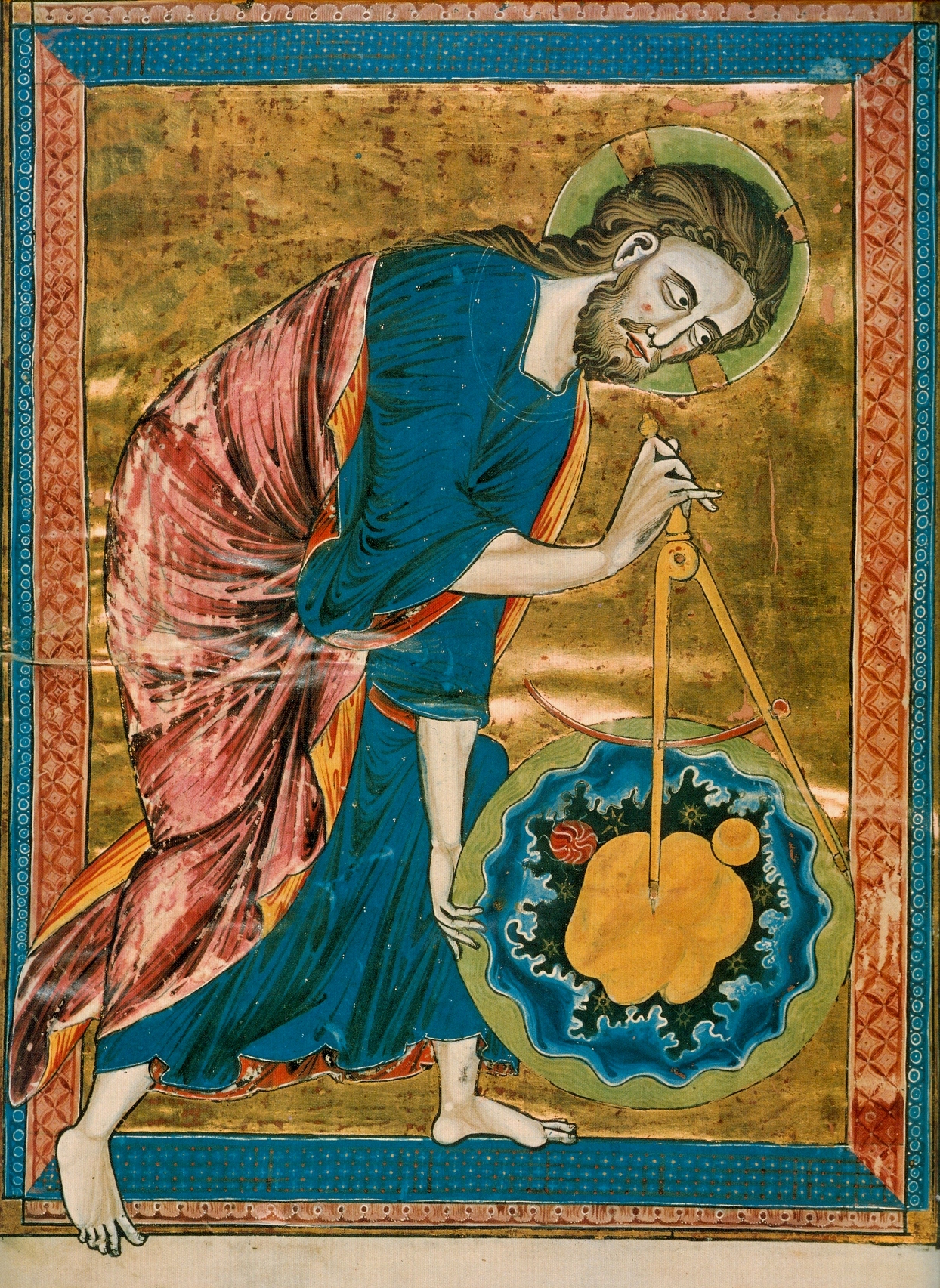 🇬🇷 GreeceAstrology and astronomy
Two disciplines that shared a history before splitting into science and divinationTradition · Seeing and foretelling · Power and authority Historical
🇬🇷 GreeceAstrology and astronomy
Two disciplines that shared a history before splitting into science and divinationTradition · Seeing and foretelling · Power and authority Historical
Photo credits on this page
The small pictures above come from Wikimedia Commons under free licences. Some are cropped to fit.
- Heinrich Cornelius Agrippa: Jean-Louis Durant (1654-1718), Public domain, source
- Astrology: Wilfredor, CC0, source
- Barbarous name: Aktiophis, CC BY-SA 4.0, source
- Turquoise: Unknown author, Public domain, source
- Planets in astrology: Jan van Loon, Public domain, source
- Derafsh Kaviani: CNG Coins, CC BY-SA 3.0, source
- Kilili: Unknown author, CC0, source
- Teraphim: Athanasius Kircher, Public domain, source
- Astrology and astronomy: anonymous, Public domain, source
- Bibliomancy: Albert Robida, Public domain, source