🇵🇱 Magic in Poland
56 entries from Poland, best known first, across 19 places of magic.
The provided records focus on the scholarly documentation of Polish folk traditions rather than detailing specific magical practices or spiritual beliefs. Nineteenth century academics gathered oral tales and rural customs to support national identity. Later institutions continued cataloguing regional variations and social group traditions without describing the rituals themselves.
- Hugo Kołłątaj created the first Polish folklore research program in 1802.
- Key nineteenth century collectors included Oskar Kolberg and Zygmunt Gloger.
- The Institute of Archaeology and Ethnography publishes Etnografia Polska since 1958.
- Interwar scholars added workers folklore to traditional peasant studies.
Overview
This account covers the history of scholarly collection rather than the beliefs themselves. Early nineteenth century scholars began gathering oral tales and rural customs to strengthen national identity during periods of foreign partition. Researchers like Oskar Kolberg and Zygmunt Gloger compiled extensive archives of regional stories and seasonal habits. Later studies added urban working class traditions and local village customs. Academic journals and university institutes now preserve these records. The text does not describe specific charms, spirit beings, healing methods, or ceremonial calendars.
The facts in this overview come from the Wikipedia article "Folklore of Poland", written by its contributors and used under the CC BY-SA 4.0 licence. EveryJaadu rewrote the text in its own words, with AI assistance, and compares every page with the article to make sure no passage is copied. It may be reused under the same CC BY-SA 4.0 licence with a link back.
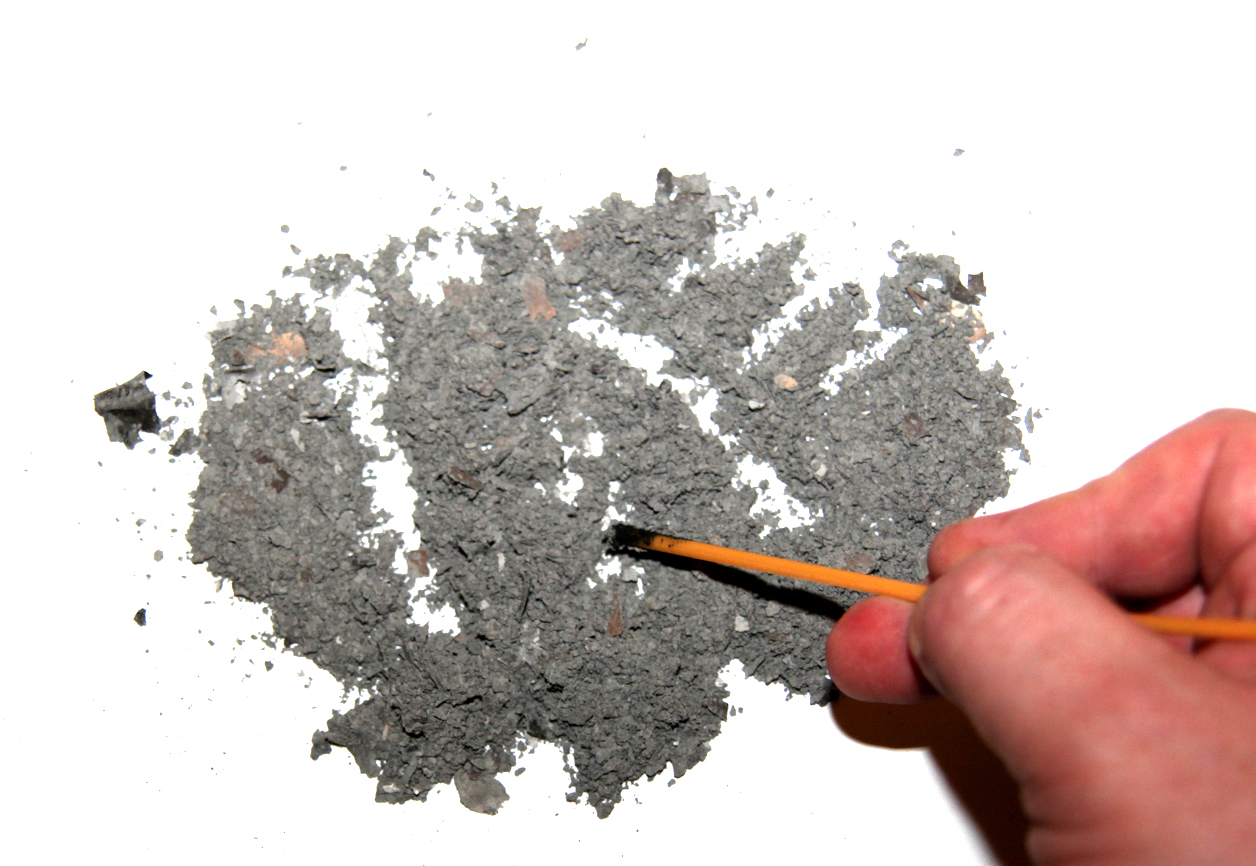

Photo credits on this page
The small pictures above come from Wikimedia Commons under free licences. Some are cropped to fit.
- Spodomancy: Tim1965, CC BY-SA 3.0, source
- Slavic religion: Alphonse Mucha, Public domain, source
The weekly digest
Every Monday: seven entries you may not know, what is on the calendar this week, and one rite drawn step by step.