Households and ordinary people
Grandmothers, parents and neighbours doing the small things: the knot, the salt, the red thread.
Households and ordinary people do most of the world's magic: the grandmother who ties a thread on a baby's wrist, the neighbour who throws salt, the shopkeeper who hangs a lemon and chillies, the family that burns incense before a photograph. These people are not specialists and often do not call it magic. This page looks at the domestic side of the subject, which is the commonest and least written about.
Everyday customs
Household practice is woven into daily life: sweeping at new year, a bead on a cradle, a horseshoe over a door, a charm in a car. It tends to be practical, brief and handed down within the family. Many people say they do it because their mother did, or to be safe. It rarely needs a priest, a text or a fee. The hands that do it are those of mothers and grandmothers, who also cook, clean and care, so the magic is part of the labour of the home.
Women and the home
Women are the principal keepers of household custom in many societies, as mothers, grandmothers and aunts. Their knowledge covers birth, child care, food, illness, marriage and death. That knowledge is often undervalued by the formal religion and by scholars, and was also the source of accusations in the witch trials, in which women who were midwives or healers were prominent. A household custom is learned by watching and may never be explained, since the practitioner does not see it as special.
Faith and the home
Religious leaders have seen household custom as faith, as superstition or as a nuisance. Reformers in Protestant Europe, Salafi Islam and some Hindu and Buddhist movements have told people to give up such practices. Many people keep them regardless. In the diaspora, the home customs are sometimes the part of heritage that lasts longest, and are carried to new countries in suitcases. In cities, small shrines, protective charms and everyday rituals often survive in apartments, taxis and shops.
Why scholars care
Anthropologists of everyday religion and folklorists record these customs as evidence of how people manage risk. They show how belief and practice differ, since people may say they do not believe and still knock on wood. Household magic is also the easiest to commercialise, in shops selling charms and kits that detach customs from their homes. A new student or visitor may find that families who say they do not believe still follow such customs carefully, and this gap is one of the more interesting findings.
Households and ordinary people on EveryJaadu
The entries written up so far, best known first.
 🇧🇴 Bolivia and 1 moreEkekoIqiqu
An Andean deity of abundance and prosperity, central to the Alasitas festival.Being · Luck and prosperity · Power and authority Living
🇧🇴 Bolivia and 1 moreEkekoIqiqu
An Andean deity of abundance and prosperity, central to the Alasitas festival.Being · Luck and prosperity · Power and authority Living
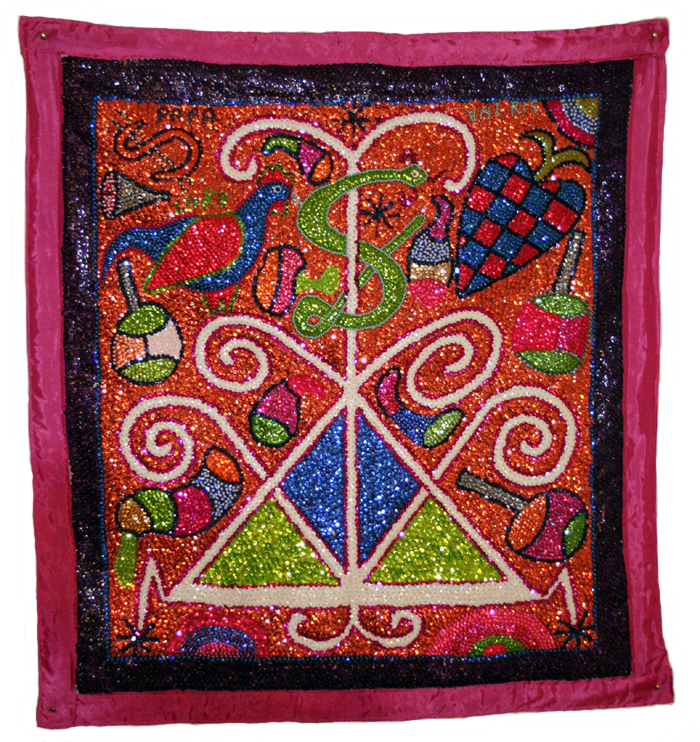 🇭🇹 Haiti and 2 moreHaitian VodouVodou
An Afro-Haitian religion blending West African traditions with Catholicism and FreemasonryTradition · Protection · Healing Living
🇧🇯 Benin and 2 morePapa Legba
A loa who stands at the crossroads and opens the gate between people and spiritsBeing · Speaking with spirits and the dead · Power and authority Living
🇧🇷 BrazilPomba Gira
An Afro-Brazilian spirit of love and desire worshipped in Umbanda and QuimbandaBeing · Love and attraction · Power and authority Living
🇭🇹 Haiti and 2 moreHaitian VodouVodou
An Afro-Haitian religion blending West African traditions with Catholicism and FreemasonryTradition · Protection · Healing Living
🇧🇯 Benin and 2 morePapa Legba
A loa who stands at the crossroads and opens the gate between people and spiritsBeing · Speaking with spirits and the dead · Power and authority Living
🇧🇷 BrazilPomba Gira
An Afro-Brazilian spirit of love and desire worshipped in Umbanda and QuimbandaBeing · Love and attraction · Power and authority Living
 🇬🇹 GuatemalaMaximónRi Laj Mam
A Maya folk saint and trickster deity venerated in the Guatemalan HighlandsBeing · Protection · Healing Living
🇧🇷 BrazilPro-VidaPró-Vida, Integração Cósmica
An occultist group founded in Brazil that promises cosmic consciousness and earthly paradise.Tradition · Change and initiation · Power and authority Living
🇬🇹 GuatemalaMaximónRi Laj Mam
A Maya folk saint and trickster deity venerated in the Guatemalan HighlandsBeing · Protection · Healing Living
🇧🇷 BrazilPro-VidaPró-Vida, Integração Cósmica
An occultist group founded in Brazil that promises cosmic consciousness and earthly paradise.Tradition · Change and initiation · Power and authority Living
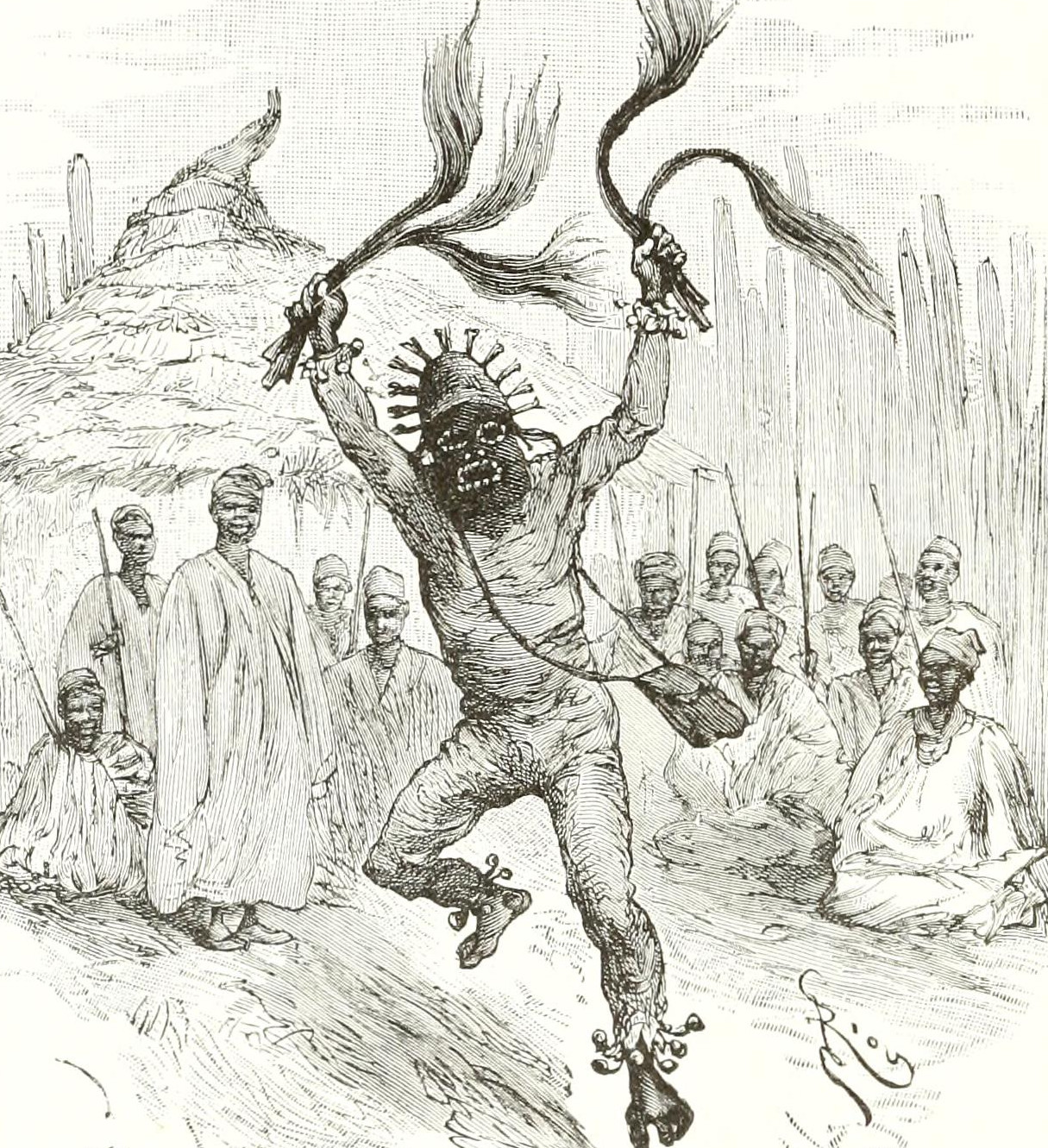 🇹🇹 Trinidad and Tobago and 1 moreTrinidadian Vodunu
A West African Vodun tradition practiced in Trinidad and Tobago with Catholic elementsTradition · Speaking with spirits and the dead · Power and authority Living
🇩🇴 Dominican RepublicAnaisa Pye
A Dominican loa of love and wealth, linked to Saint Anne.Being · Love and attraction · Luck and prosperity Living
🇹🇹 Trinidad and Tobago and 1 moreTrinidadian Vodunu
A West African Vodun tradition practiced in Trinidad and Tobago with Catholic elementsTradition · Speaking with spirits and the dead · Power and authority Living
🇩🇴 Dominican RepublicAnaisa Pye
A Dominican loa of love and wealth, linked to Saint Anne.Being · Love and attraction · Luck and prosperity Living
Photo credits on this page
The small pictures above come from Wikimedia Commons under free licences. Some are cropped to fit.
- Haitian Vodou: Sam Fentress, CC BY-SA 2.0, source
- Louisiana Voodoo: I cropped, original authors are Ridpath, John Clark, CC BY-SA 4.0, source
- Maximón: Sapfan (Jan Pesula), Public domain, source
- Ekeko: Ciudades, CC BY-SA 4.0, source