Uluru
A great sandstone monolith in central Australia, sacred to the Anangu, who hold that it was formed in the Tjukurpa, the time of creation, and who ask visitors not to climb it.
Practised and told of here
Best time: May to September, when it is cooler.
Uluru is in a national park owned by the Anangu, the traditional owners, and leased to the government. The Tjukurpa is the Anangu law, the stories and the knowledge of how the world was made and how to live in it. Different parts of the rock hold different ancestral stories.

What is restricted
Some parts of Uluru are closed to visitors because they are used for ceremony, especially by men or by women. Signs at those places ask that no one photograph them. The Anangu do not publish all of the stories, and some are for initiated people only.
The climb
The climb was closed permanently in October 2019, after a long campaign by the Anangu. They said it was a sacred path, and that they were responsible for the safety of visitors. It is now a place to walk around the base.
Visiting
The Cultural Centre is the best place to start. Guided walks led by Anangu guides explain what can be shared.
A respectful visit to Uluru
Living communities are not a show. Ask before photographing a person or a ceremony, and follow local rules.
- Uluru-Kata Tjuta Cultural Centre Begin here and read the Anangu account.
- Mala Walk Take the guided base walk.
- Kata Tjuta See the other major site nearby.
- Sunrise viewing areas View but do not photograph restricted areas.
Written by the EveryJaadu desk with AI assistance. Background: "Uluru" on Wikipedia. Opening hours, markets and ceremonies change; check locally before travelling. If something is wrong, tell us.
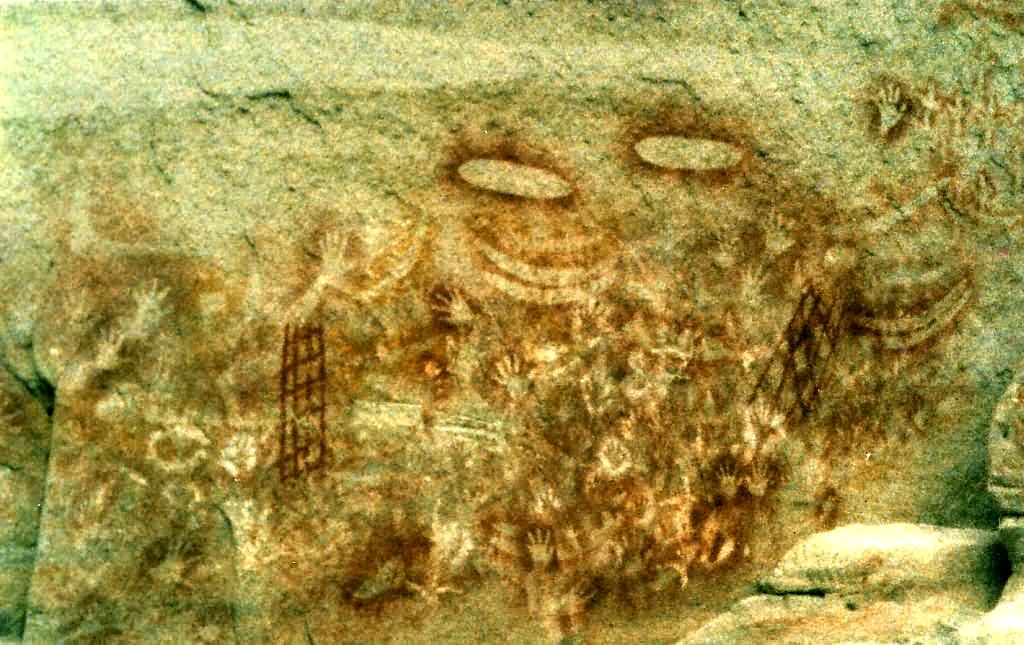
Photo credits on this page
The small pictures above come from Wikimedia Commons under free licences. Some are cropped to fit.
- The Dreaming: September 1985, Public domain, source