Toledo
A hill city of Spain where Christian, Jewish and Muslim scholars translated Arabic works, and which gained a name as a city of magic.
Practised and told of here
Best time: Spring and autumn.
Toledo was captured from Muslim rule in 1085. Its school of translators in the twelfth and thirteenth centuries turned Arabic books of philosophy, astronomy and astrology into Latin, passing them to the rest of Europe. Some of those books were on magic and talismans.

The reputation
From the Middle Ages Europeans told stories that Toledo had underground caves where the devil taught students. Stories of a 'school of necromancy' in Toledo appear in several medieval tales. Historians find no evidence of such a school, and the story reflects the city's role in passing on Arabic learning.
What was translated
Works included texts on astrology and a version of an Arabic book of talismans, which later circulated in Latin as the Picatrix. The king Alfonso X, a patron of translation, ordered it done in the thirteenth century.
Visiting
Toledo's centre is a walled hill, a UNESCO site. It has a cathedral, synagogue buildings and the old mosque of Cristo de la Luz.
A respectful visit to Toledo
Living communities are not a show. Ask before photographing a person or a ceremony, and follow local rules.
- Toledo Cathedral See the cathedral.
- Synagogue of Santa Maria la Blanca Visit the medieval synagogue.
- Mosque of Cristo de la Luz Look at the small mosque.
- The Tagus gorge Walk the river bend.
Written by the EveryJaadu desk with AI assistance. Background: "Toledo, Spain" on Wikipedia. Opening hours, markets and ceremonies change; check locally before travelling. If something is wrong, tell us.
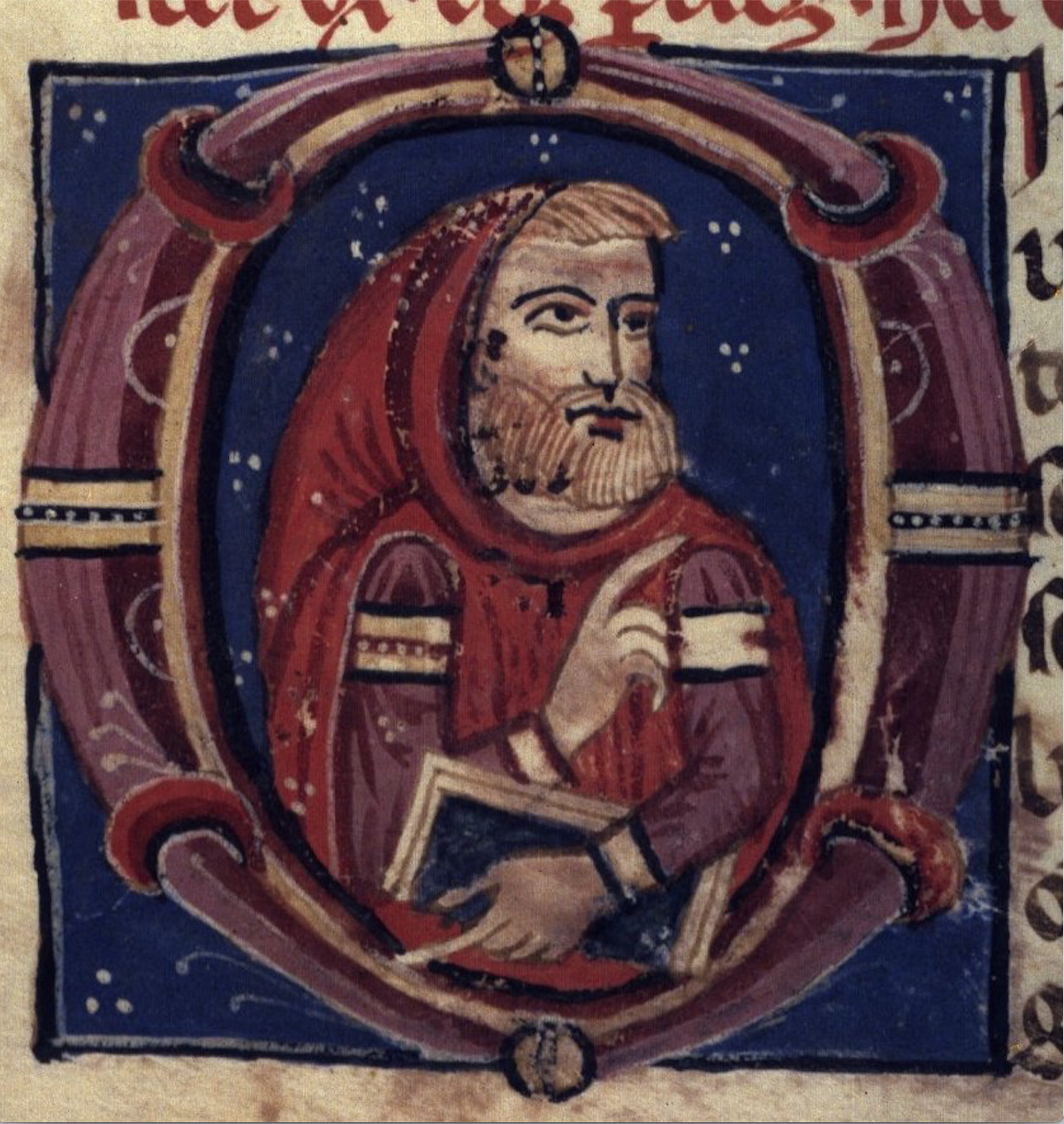
Photo credits on this page
The small pictures above come from Wikimedia Commons under free licences. Some are cropped to fit.
- Michael Scot: Unknown author, Public domain, source