News
Living traditions‘Plastic Shaman’ author Annette McGivney on trust, cultural appropriation and the search for wellnessMuseumsTrenton City Museum to Screen Holiday Classic Featuring Trenton Native Ernie KovacsLiving traditionsThe View From Home: The zombie’s colonialist origins, and an experimental biopic of KafkaStage magicNow You See Me Live makes its debut on Broadway, New York after a successful run in ChinaFestivalsDay of the Dead: A tradition revived in Tampa through art, memory, and rootsMuseums'The Magic of The Nutcracker' immersive exhibition opens at Cullman County Museum; Special reading of holiday classic to take place SaturdayMuseumsTrenton City Museum to screen "Bell, Book, and Candle" featuring Trenton's Own Ernie KovacsFestivalsHow We Celebrated El Día De Los Muertos – CUNYverseLiving traditionsA Tibetan Shaman Trance In Ladakh HimalayasFestivalsMourning, raves and a giant brick pyramid: behind the scenes at Birkenhead’s Day of the DeadLiving traditions‘Plastic Shaman’ author Annette McGivney on trust, cultural appropriation and the search for wellnessMuseumsTrenton City Museum to Screen Holiday Classic Featuring Trenton Native Ernie KovacsLiving traditionsThe View From Home: The zombie’s colonialist origins, and an experimental biopic of KafkaStage magicNow You See Me Live makes its debut on Broadway, New York after a successful run in ChinaFestivalsDay of the Dead: A tradition revived in Tampa through art, memory, and rootsMuseums'The Magic of The Nutcracker' immersive exhibition opens at Cullman County Museum; Special reading of holiday classic to take place SaturdayMuseumsTrenton City Museum to screen "Bell, Book, and Candle" featuring Trenton's Own Ernie KovacsFestivalsHow We Celebrated El Día De Los Muertos – CUNYverseLiving traditionsA Tibetan Shaman Trance In Ladakh HimalayasFestivalsMourning, raves and a giant brick pyramid: behind the scenes at Birkenhead’s Day of the Dead

Jemaa el-Fna

The great square of Marrakech where storytellers, musicians, snake charmers and herbalists have drawn crowds for centuries.

Practised and told of here

Jemaa el-FnaaGnawa musicDivinationEvil eye

Best time: March to May and September to November; evenings are best.

Jemaa el-Fna was named by UNESCO as a masterpiece of oral and intangible heritage in 2001. By day it is a market, and by evening a ring of food stalls and performers.
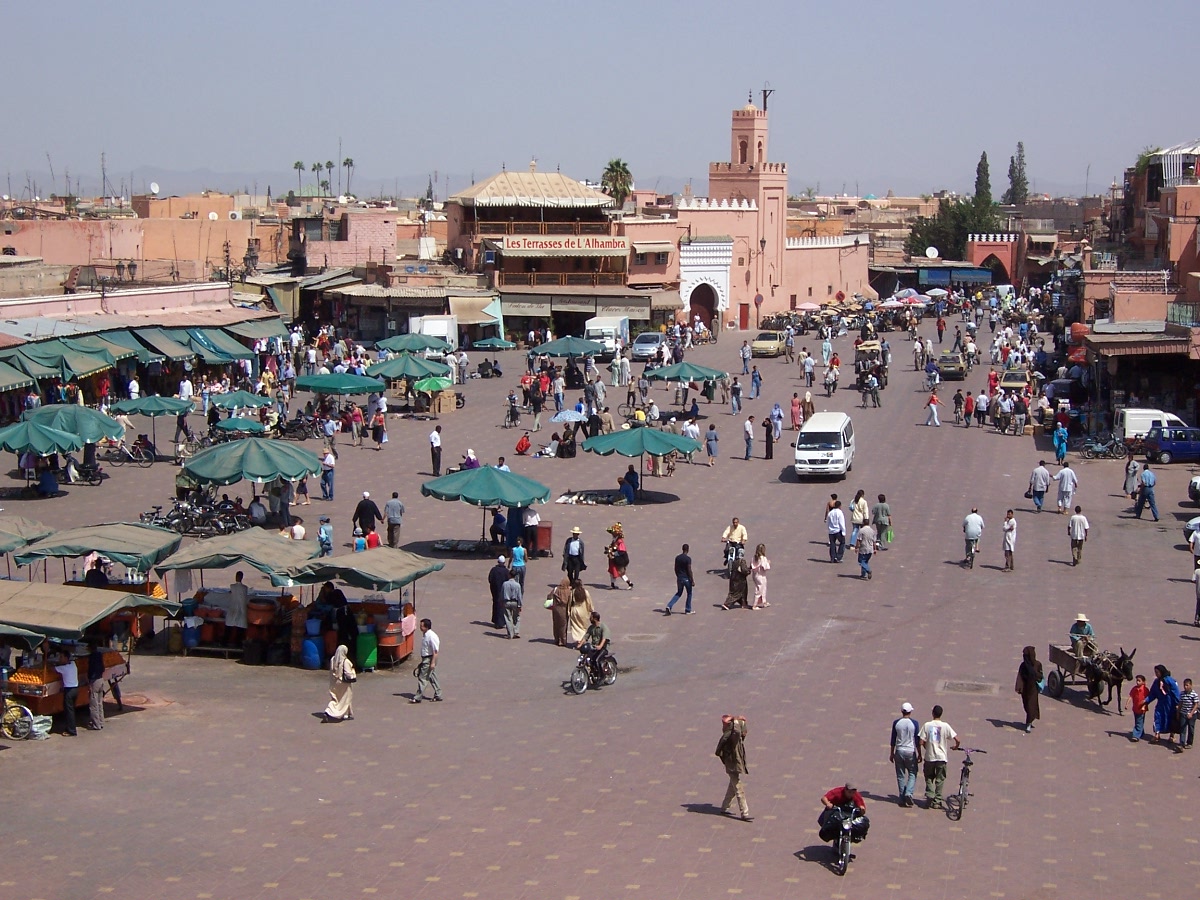
Jemaa el-Fna
Photo: Dániel Csörföly, CC BY-SA 3.0, via Wikimedia Commons

Healers and herbalists

In one corner, herb sellers lay out dried plants, minerals and animal parts, sometimes with healers who give advice or write charms. Moroccans may consult them for health, love or protection. Claims are not tested, and some advice can be dangerous, so visitors should not take medicine from any such stall.

Performers

Gnawa musicians, storytellers and snake handlers perform for tips. Some snakes are kept in poor conditions. Henna painters work in the square, and visitors should avoid black henna, which can burn.

Visiting

Performers expect money if you photograph them. Agree beforehand. Avoid buying products made from protected animals.

A respectful visit to Jemaa el-Fna

Living communities are not a show. Ask before photographing a person or a ceremony, and follow local rules.

  1. The herb stalls Look but do not buy remedies.
  2. A storyteller's circle Listen from the edge.
  3. The Koutoubia mosque See the tower at the square's edge.
  4. The medina souks Walk north into the lanes.
About this page

Written by the EveryJaadu desk with AI assistance. Background: "Jemaa el-Fnaa" on Wikipedia. Opening hours, markets and ceremonies change; check locally before travelling. If something is wrong, tell us.

The weekly digest

Every Monday: seven entries you may not know, what is on the calendar this week, and one rite drawn step by step.