
Basque mythology
The ancient beliefs of the Basque people, preserved through legends and place names.
This is the pre-Christian belief system of the Basque people. It survives today mostly through stories, place names, and historical records rather than continuous practice. The tradition featured earth-bound deities and was largely replaced by Christianity between the fourth and twelfth centuries.
- Mari was a main female deity in the original belief system.
- Sugaar was considered her consort in legends from Ataun.
- Strabo recorded sacrifices of male goats and humans.
- Urtzi may have been a sky god or just a word for sky.
- Christianity spread between the fourth and twelfth centuries.
What it is
Basque mythology refers to the spiritual beliefs of the Basque people before they adopted Christianity. These traditions are not practiced as a living religion today but are studied by historians and folklorists. The system appears to have been chthonic, meaning its figures dwelled on or beneath the earth. The sky was viewed as an empty space that divinities crossed rather than a realm they inhabited. Key figures included Mari, a female deity, and Sugaar, her consort. Their relationship is known from legends collected in places like Ataun. Scholars debate whether these two formed a central divine pair or if other figures held greater importance. The lack of written records from the pagan era makes it difficult to reconstruct a complete pantheon.
Where it comes from
The origins of these beliefs are rooted in the ancient cultures of the western Pyrenees. They existed alongside Indo-European speaking groups on the Iberian Peninsula, such as the Lusitanians and Celtiberians. Evidence suggests Basque influence on their mythologies, including concepts like the Enchanted Mouras, which may derive from the Mairu. The god Endovelicus also shows possible proto-Basque linguistic roots. The original belief system began to fade as Christianity spread into the region between the fourth and twelfth centuries. Much of what remains comes from later collections of folklore and the analysis of local place names.
Basque mythology, drawn and placed
- Living
- Revived
- Fading
- Historical
- Legendary
- Performed
Who does it
Modern understanding relies heavily on scholars and collectors. In the nineteenth and twentieth centuries, figures like José Miguel Barandiaran gathered myths and folk tales, creating the largest body of material on these non-Christian practices. Historians also analyze medieval sources, including Inquisition records, and diaries from pilgrims like Aymeric Picaud in the twelfth century. Ancient writers such as Strabo and Arab authors from the Umayyad period provide earlier, though scarce, references to rituals involving sacrifices. These accounts form the basis for current academic interpretations of the culture.
Peoples and places
The tradition belongs to the Basque people, who inhabit parts of Spain and France. Within this culture, specific legends emerged from different areas. For instance, stories about Mari and Sugaar were collected near Ataun. Other myths developed during the historical period after Christianization. Jaun Zuria, the mythical first Lord of Biscay, is linked to Mundaka and a encounter with Sugaar. The Aralar Range features tales of Saint Michael assisting a local noble. These stories show how local geography shaped the narrative landscape of the region over centuries.
At a glance: who, where and when
What people believe
The worldview centered on earth-bound spirits and deities. Mari and Sugaar represent the primary figures known from surviving legends. The concept of the Mairu influenced ideas about enchanted beings in neighboring cultures. The sky was not seen as a divine home but as a corridor. This chthonic focus distinguished the belief system from others that emphasized celestial realms. After Christianization, old myths adapted to new contexts. Legends continued to be produced, blending older elements with Christian saints and historical events, such as the battle of Roncesvalles or the coat of arms of Navarre.
How scholars and sceptics see it
Anthropologists and historians study Basque mythology through fragmented sources. They analyze place names, medieval texts, and nineteenth-century folklore collections. The existence of a sky god named Urtzi remains controversial. Some evidence supports his existence as a deity, while other readings suggest he was merely a word for the sky. Neither theory is fully accepted. Researchers also examine the influence of Basque culture on Iberian pantheons, looking at linguistic links to gods like Endovelicus. The scarcity of direct pagan records means much interpretation relies on comparing later folklore with earlier historical mentions.
Compare and confuse
Basque mythology shares features with other Iberian traditions. The concept of Enchanted Mouras in neighboring cultures may stem from the Basque Mairu. The god Endovelicus shows possible linguistic connections to proto-Basque. Basajaun is another figure often discussed alongside these myths. While some Indo-European groups adopted similar motifs, the Basque system retained unique chthonic characteristics. The sky as an empty corridor contrasts with heavens populated by gods in many other traditions. This distinction highlights the specific environmental and cultural focus of the original beliefs.
Today
The mythology lives on through academic study and cultural heritage. Collections of myths by Barandiaran preserve stories that might otherwise be lost. Place names continue to hint at older spiritual associations with the landscape. Modern Basque culture incorporates these legends into regional identity without practicing the original pagan rites. The transition to Christianity was gradual, and elements of the old belief persisted in folk tales and local customs. Today, the subject is primarily of interest to those studying European pre-Christian religions and the history of the Pyrenees region.
Questions people ask about Basque mythology
What is Basque mythology?
It is the pre-Christian belief system of the Basque people. It features earth-bound deities like Mari and Sugaar. Most knowledge comes from legends, place names, and historical records rather than continuous practice.
Where did it originate?
It originated among the Basque people in the western Pyrenees. It influenced neighboring Iberian cultures like the Lusitanians. The system faded as Christianity spread into the region between the fourth and twelfth centuries.
Who are the main figures?
Mari is the primary female deity. Sugaar is her consort. Stories about them come from areas like Ataun. Scholars debate if they formed a central divine pair due to limited evidence.
How do we know about it?
We rely on ancient writers like Strabo, medieval diaries, and Inquisition records. Nineteenth-century collectors like Barandiaran gathered major folklore. Place names also provide clues about older spiritual associations.
Good reading and sources
- Basque mythology on WikipediaEncyclopedia
- More photos on Wikimedia CommonsPhotos and video
- Wikidata recordOpen data
The facts on this page come from the Wikipedia article "Basque mythology", written by its contributors and used under the CC BY-SA 4.0 licence, and from its Wikidata record (CC0). EveryJaadu rewrote the text in its own words, with AI assistance, and compares every page with the article to make sure no passage is copied. It may be reused under the same CC BY-SA 4.0 licence with a link back.
It may contain mistakes. Names and customs differ from one community to the next, and some knowledge is closed to outsiders and left out here. This page describes belief and practice. It does not say that any of it works, it is not a how-to, and it is not medical advice. If something is wrong, tell us. Last refreshed 2026-10-05.
More from Spain
All the entries from Spain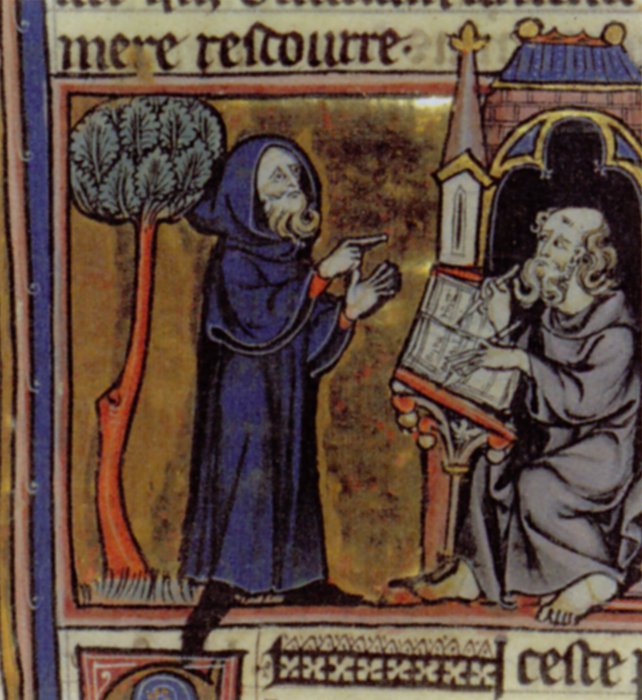 🇮🇹 Italy and 1 moreMedieval European magic
A broad category of ritual and natural practices in the Middle Ages, blending healing, divination, and religious belief.Tradition · Healing · Seeing and foretelling Historical
🇮🇹 Italy and 1 moreMedieval European magic
A broad category of ritual and natural practices in the Middle Ages, blending healing, divination, and religious belief.Tradition · Healing · Seeing and foretelling Historical
 🇪🇸 SpainFolklore of Spain
The oral traditions, legends, and folktales of the Iberian PeninsulaTradition · Wonder and entertainment Living
🇪🇸 SpainFolklore of Spain
The oral traditions, legends, and folktales of the Iberian PeninsulaTradition · Wonder and entertainment Living
 🇫🇷 France and 5 moreYule log
A large wooden log burned in the hearth during winter festivals across Europe and North America.Tradition · Protection · Luck and prosperity Living
🇫🇷 France and 5 moreYule log
A large wooden log burned in the hearth during winter festivals across Europe and North America.Tradition · Protection · Luck and prosperity Living
Related elsewhere
All tradition 🇮🇳 India and 5 moreAstrology
A divinatory practice that reads human fate through the positions of celestial bodies.Belief · Seeing and foretelling · Luck and prosperity Living
🇮🇳 India and 5 moreAstrology
A divinatory practice that reads human fate through the positions of celestial bodies.Belief · Seeing and foretelling · Luck and prosperity Living
 🇮🇳 IndiaChakraचक्र
Meditation points in the subtle body used in Hindu and Buddhist yogaTradition · Speaking with spirits and the dead · Change and initiation Living
🇮🇳 IndiaChakraचक्र
Meditation points in the subtle body used in Hindu and Buddhist yogaTradition · Speaking with spirits and the dead · Change and initiation Living
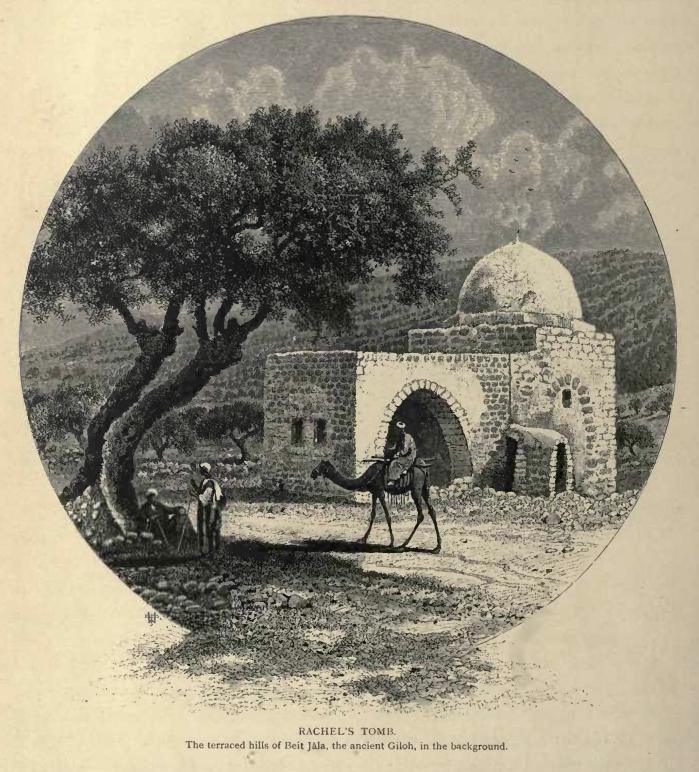 🇵🇸 Palestine and 1 moreRachel's TombQever Raḥel; Qabr Rāḥīl
A shared holy site near Bethlehem revered by Jews, Christians, and MuslimsTradition · Speaking with spirits and the dead · Protection Living
🇳🇿 New ZealandKarakia
Māori recitations used for spiritual guidance, protection, and formal greetingsTradition · Protection · Speaking with spirits and the dead Living
🇵🇸 Palestine and 1 moreRachel's TombQever Raḥel; Qabr Rāḥīl
A shared holy site near Bethlehem revered by Jews, Christians, and MuslimsTradition · Speaking with spirits and the dead · Protection Living
🇳🇿 New ZealandKarakia
Māori recitations used for spiritual guidance, protection, and formal greetingsTradition · Protection · Speaking with spirits and the dead Living