News
Living traditions‘Plastic Shaman’ author Annette McGivney on trust, cultural appropriation and the search for wellnessMuseumsTrenton City Museum to Screen Holiday Classic Featuring Trenton Native Ernie KovacsLiving traditionsThe View From Home: The zombie’s colonialist origins, and an experimental biopic of KafkaStage magicNow You See Me Live makes its debut on Broadway, New York after a successful run in ChinaFestivalsDay of the Dead: A tradition revived in Tampa through art, memory, and rootsMuseums'The Magic of The Nutcracker' immersive exhibition opens at Cullman County Museum; Special reading of holiday classic to take place SaturdayMuseumsTrenton City Museum to screen "Bell, Book, and Candle" featuring Trenton's Own Ernie KovacsFestivalsHow We Celebrated El Día De Los Muertos – CUNYverseLiving traditionsA Tibetan Shaman Trance In Ladakh HimalayasFestivalsMourning, raves and a giant brick pyramid: behind the scenes at Birkenhead’s Day of the DeadLiving traditions‘Plastic Shaman’ author Annette McGivney on trust, cultural appropriation and the search for wellnessMuseumsTrenton City Museum to Screen Holiday Classic Featuring Trenton Native Ernie KovacsLiving traditionsThe View From Home: The zombie’s colonialist origins, and an experimental biopic of KafkaStage magicNow You See Me Live makes its debut on Broadway, New York after a successful run in ChinaFestivalsDay of the Dead: A tradition revived in Tampa through art, memory, and rootsMuseums'The Magic of The Nutcracker' immersive exhibition opens at Cullman County Museum; Special reading of holiday classic to take place SaturdayMuseumsTrenton City Museum to screen "Bell, Book, and Candle" featuring Trenton's Own Ernie KovacsFestivalsHow We Celebrated El Día De Los Muertos – CUNYverseLiving traditionsA Tibetan Shaman Trance In Ladakh HimalayasFestivalsMourning, raves and a giant brick pyramid: behind the scenes at Birkenhead’s Day of the Dead

Salvador de Bahia

The Brazilian city with the largest number of Candomble terreiros, the communities of an Afro-Brazilian religion, many of them centuries old.

Practised and told of here

CandombléOrishaIemanjáSalvador, Bahia

Best time: January to February for the festivals.

Salvador was a centre of the Atlantic slave trade, and many Yoruba, Fon and Bantu people were brought there. From the early nineteenth century they founded houses of worship called terreiros. Casa Branca, set up by about 1830, is the oldest known and was listed as national heritage in 1984.
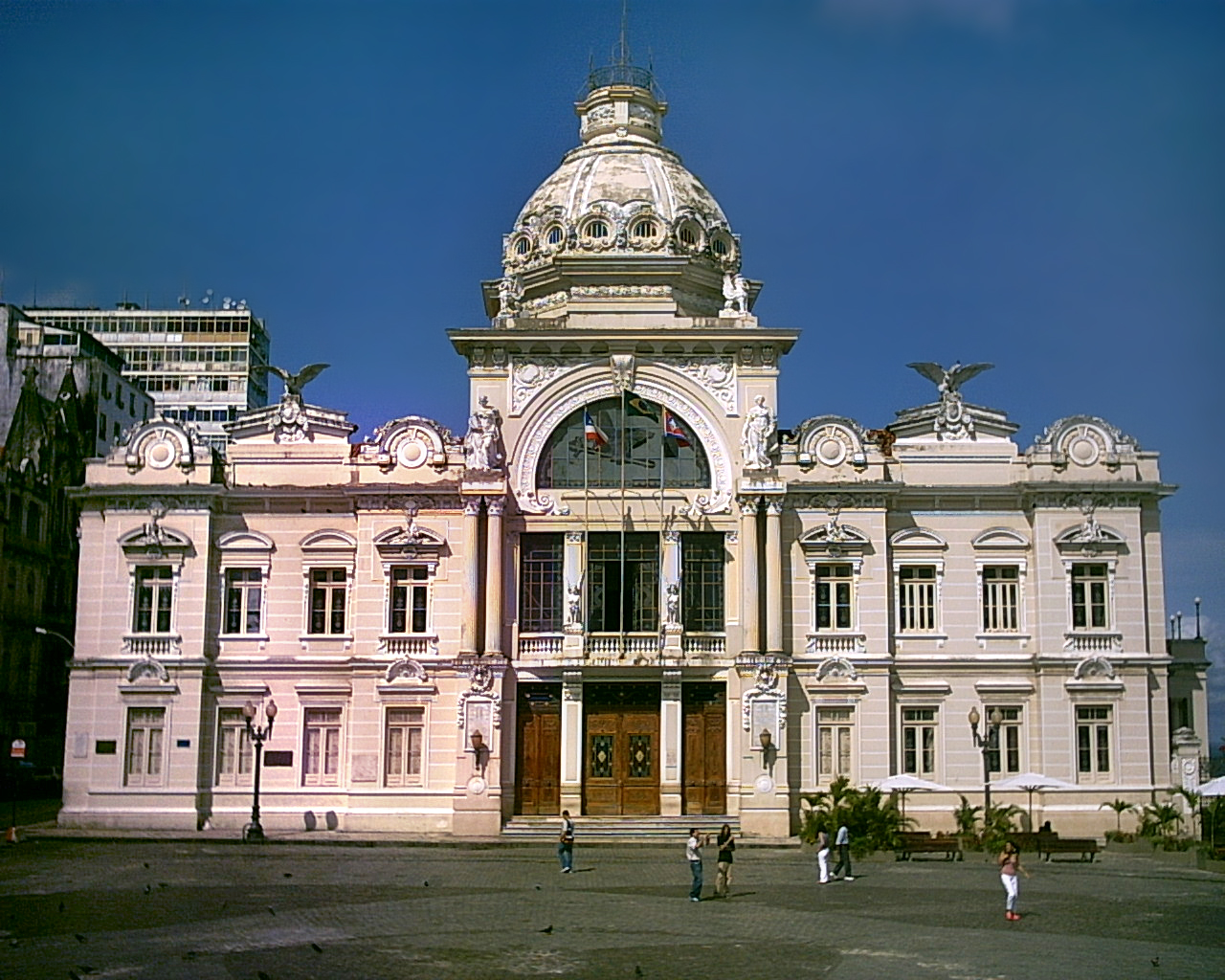
Salvador de Bahia
Photo: Unknown author, CC BY-SA 3.0, via Wikimedia Commons

Candomble

Candomble worships orixas, spirits linked to nature and ancestry, through drumming, dance and possession. It was persecuted by police until the 1970s. Its priestesses, called mae-de-santo, have long been central, and women lead many houses.

Syncretism

As in Cuba, orixas were matched with Catholic saints. On 2 February thousands bring white flowers to the sea for Iemanja, and on the Lavagem do Bonfim in January white-clad women wash the church steps in a mix of faiths.

Visiting

Public ceremonies are open at some terreiros. Visitors dress in white or plain clothes, do not photograph without permission and do not treat the possession as a show. The Museu Afro-Brasileiro explains the religion.

A respectful visit to Salvador de Bahia

Living communities are not a show. Ask before photographing a person or a ceremony, and follow local rules.

  1. Museu Afro-Brasileiro Start with the museum.
  2. A terreiro's public festival Go only on invitation or on a public day.
  3. Rio Vermelho beach Join the flowers for Iemanja on 2 February.
About this page

Written by the EveryJaadu desk with AI assistance. Background: "Salvador, Bahia" on Wikipedia. Opening hours, markets and ceremonies change; check locally before travelling. If something is wrong, tell us.

The weekly digest

Every Monday: seven entries you may not know, what is on the calendar this week, and one rite drawn step by step.