The Silat Bridge is a bridge at Lalish in Iraq that leads to the holiest shrine in Yazidism, the tomb of Sheikh Adi. Yazidis hold that it pictures the crossing from the ordinary, earthly world to the sacred, esoteric one, and that it will have a part to play at the end of times.
- A bridge at Lalish in Iraq, leading to the holiest Yazidi shrine
- It stands for the passage from the earthly world to the sacred one
- Thousands of Yazidi pilgrims cross it at the Feast of the Assembly
- Yazidi belief gives it a role at the end of times
- Compared with the Chinvat Bridge of Zoroastrianism
What it is
The Silat Bridge is a bridge at Lalish in Iraq. It leads to the holiest shrine in Yazidism, the tomb of Sheikh Adi. For Yazidis the crossing is not only a path but a picture: it stands for the link between the ordinary, earthly world and the sacred world that the tradition keeps esoteric, meaning known from inside the faith. The bridge is also drawn into the religion's teaching about the end of time. It is one of the best known features of Yazidism, a religion rooted in Iraq.
Silat Bridge, drawn and placed
- Living
- Revived
- Fading
- Historical
- Legendary
- Performed
- Lineage
- Yazidism
- Timing
- during the yearly Feast of the Assembly
What it is for
Two things are held about the bridge. The first is symbolic: walking over it is read as a passage out of the everyday world and into the holy ground of the shrine, so the crossing itself carries meaning. The second concerns the end of time. Yazidi belief gives the bridge a part to play then, just as Zoroastrianism gives one to the Chinvat Bridge. Each year pilgrims cross it in large numbers on their way to the tomb of Sheikh Adi.
Peoples and places
The Yazidis are the community for whom the bridge is sacred, and their religion, Yazidism, is rooted in Iraq. Lalish, where the bridge stands, holds the shrine of Sheikh Adi, described as the holiest Yazidi shrine. The bridge therefore belongs to a particular landscape of faith: a place people travel to and treat as set apart, not simply a route from one bank to another.
At a glance: who, where and when
What people believe
Behind the bridge lies a Yazidi picture of two worlds: the profane, earthly one people live in, and the sacred one the tradition treats as esoteric. The bridge is the figure for movement between them. Yazidi teaching also gives it a place at the end of times, a role set beside the one Zoroastrianism gives the Chinvat Bridge. The tomb it leads to, that of Sheikh Adi, is the holiest shrine the religion has.
When it is done
Once a year the bridge fills with pilgrims. During the Feast of the Assembly, thousands of Yazidis arrive at Lalish and cross over toward the shrine of Sheikh Adi. The crossing belongs to the annual gathering rather than to private practice, and it happens at a set point in the religious year. The feast is the occasion when the bridge is most visibly in use.
Compare and confuse
The closest comparison is the Chinvat Bridge, which Zoroastrianism places at the end of times; the two are named together when the final role of the Silat Bridge is described. Other crossings from religious and mythical traditions are listed alongside it: as-Sirāt, the Bifröst, the Brig of Dread, Matarta and the Vaitarna River. Each of these belongs to a different tradition.
Questions people ask about Silat Bridge
What is the Silat Bridge?
It is a bridge at Lalish in Iraq that leads to the most sacred shrine in the Yazidi religion, the tomb of Sheikh Adi. Yazidis read the crossing as an image of the passage from the ordinary world into the sacred, esoteric one.
Where does it come from?
It belongs to Yazidism, the religion of the Yazidis, and stands at Lalish in Iraq, on the approach to the tomb of Sheikh Adi. The tradition treats that shrine as its holiest site, which is what gives the crossing its weight.
Do people still cross it?
Yes. Each year during the Feast of the Assembly, thousands of Yazidi pilgrims arrive at the bridge and cross it on their way to the shrine of Sheikh Adi. The crossing is part of that annual gathering.
What is believed to happen at the end of times?
Yazidi belief holds that the Silat Bridge will have a role then, in the same way that the Chinvat Bridge has one in Zoroastrianism. The bridge is thus both a place of pilgrimage and a figure in teaching about the last things.
Is it the same as the Chinvat Bridge?
No. The Chinvat Bridge belongs to Zoroastrianism, while the Silat Bridge belongs to Yazidism. The two are compared because both are said to play a part at the end of times.
Good reading and sources
The facts on this page come from the Wikipedia article "Silat Bridge", written by its contributors and used under the CC BY-SA 4.0 licence, and from its Wikidata record (CC0). EveryJaadu rewrote the text in its own words, with AI assistance, and compares every page with the article to make sure no passage is copied. It may be reused under the same CC BY-SA 4.0 licence with a link back.
It may contain mistakes. Names and customs differ from one community to the next, and some knowledge is closed to outsiders and left out here. This page describes belief and practice. It does not say that any of it works, it is not a how-to, and it is not medical advice. If something is wrong, tell us. Last refreshed 2026-10-19.
More from Iraq
All the entries from Iraq 🇮🇶 Iraq and 4 moreAstrology
A system of divination that links human affairs to the positions of celestial bodiesTradition · Seeing and foretelling · Luck and prosperity Living
 🇮🇷 Iran and 5 moreKhidrالخضر
A Qur'anic guide and saint believed to hold hidden wisdom and aid those in need.Being · Seeing and foretelling · Power and authority Living
 🇪🇬 Egypt and 5 moreWorship of heavenly bodies
Veneration of stars, planets, and the sky as divine forces or deitiesTradition · Protection · Power and authority Historical
 🇮🇶 Iraq and 3 moreUmayyad tradition of cursing Ali
A state policy to denounce Ali during communal prayers under the Umayyad CaliphateRite · Cursing and harm · Binding and oaths Historical
Related elsewhere
All belief 🇮🇳 IndiaChakraचक्र
Meditation points in the subtle body used in Hindu and Buddhist yogaTradition · Speaking with spirits and the dead · Change and initiation Living
 🇨🇳 China and 2 moreDiyu地獄
The underworld realm of trial, atonement, and rebirth in Chinese mythologyBelief · Cleansing and purification · Change and initiation Living
 🇮🇳 IndiaKaliकाली
A fierce Hindu goddess of time and destruction, worshipped as a protective mother.Being · Protection · Cursing and harm Living
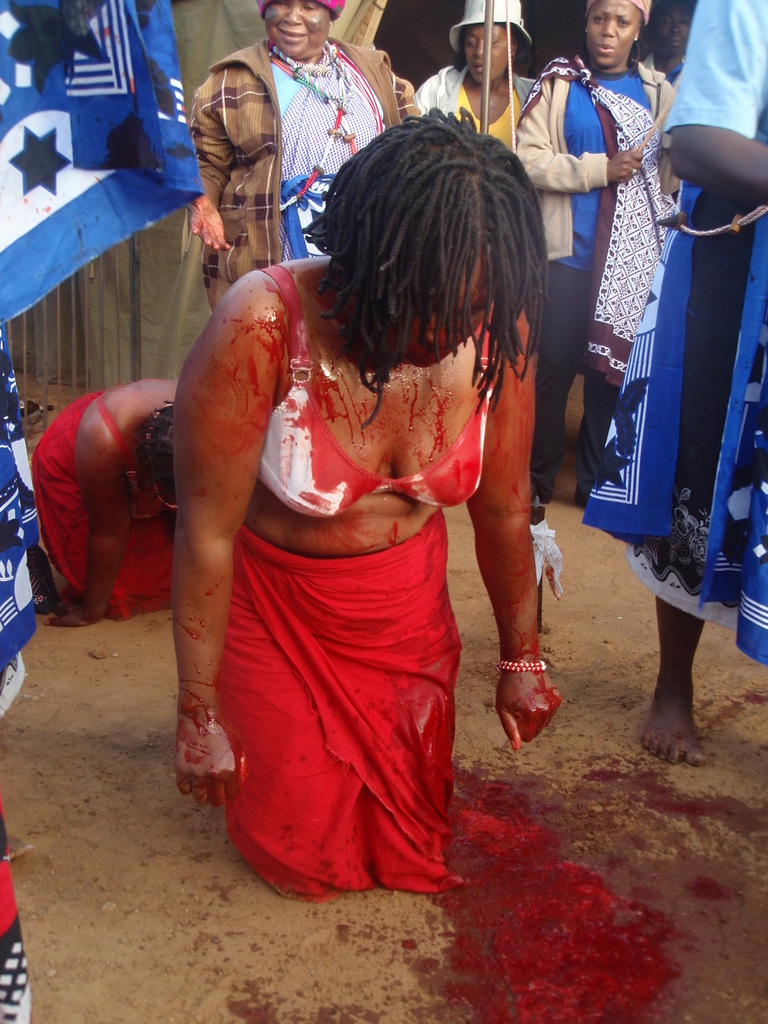 🇿🇦 South AfricaUkuthwasa
A spiritual calling and initiation process for traditional healers in Southern Africa.Rite · Healing · Speaking with spirits and the dead Living